

How I Plan Tomorrow in Five Minutes Tonight

How I Plan Tomorrow in Five Minutes Tonight
I used to wake up and immediately lose. Lie in bed, reach for my phone, scroll through other people's days, and arrive at my desk an hour later with no idea what mattered. The morning was a fog I had to fight through before I could even start.
Then a friend told me something that sounded too small to matter: spend five minutes the night before deciding what tomorrow is for.
I rolled my eyes. I tried it anyway. It changed my mornings more than any app I'd ever downloaded.
Quick Answer
Planning tomorrow tonight works because it moves the hardest decision — what to do first — out of your depleted morning brain and into your calmer evening one. You wake up to a decision already made instead of a blank page.
The five-minute routine:
- Write down the one thing that must happen tomorrow
- Add two or three smaller supporting tasks, no more
- Decide exactly when the big one starts
- Clear your head of anything still rattling around
- Close the loop so your morning self just follows orders
Why mornings are the worst time to plan
There's a quiet cruelty to morning planning. The moment you most need a clear head is the moment you have the least.
You wake up with decision-making capacity that hasn't fully booted, and you immediately spend it on the biggest question of the day: what do I even work on? By the time you decide, you've burned the freshest focus you'll have, and you haven't done anything yet.
Worse, mornings are crowded. Notifications. Other people's urgent things. The pull of the easy task over the important one. Plan in that environment and you'll plan reactively, letting the loudest thing win.
Evening-you has none of that pressure. The day's behind you. You can see what actually moved the needle and what was noise. The best person to plan your morning is your calm self from the night before. Researchers at the American Psychological Association describe decision fatigue as a real, measurable drain — and mornings are exactly when that reserve is most precious. It's the same reasoning behind protecting your sharpest hours for the work that matters.
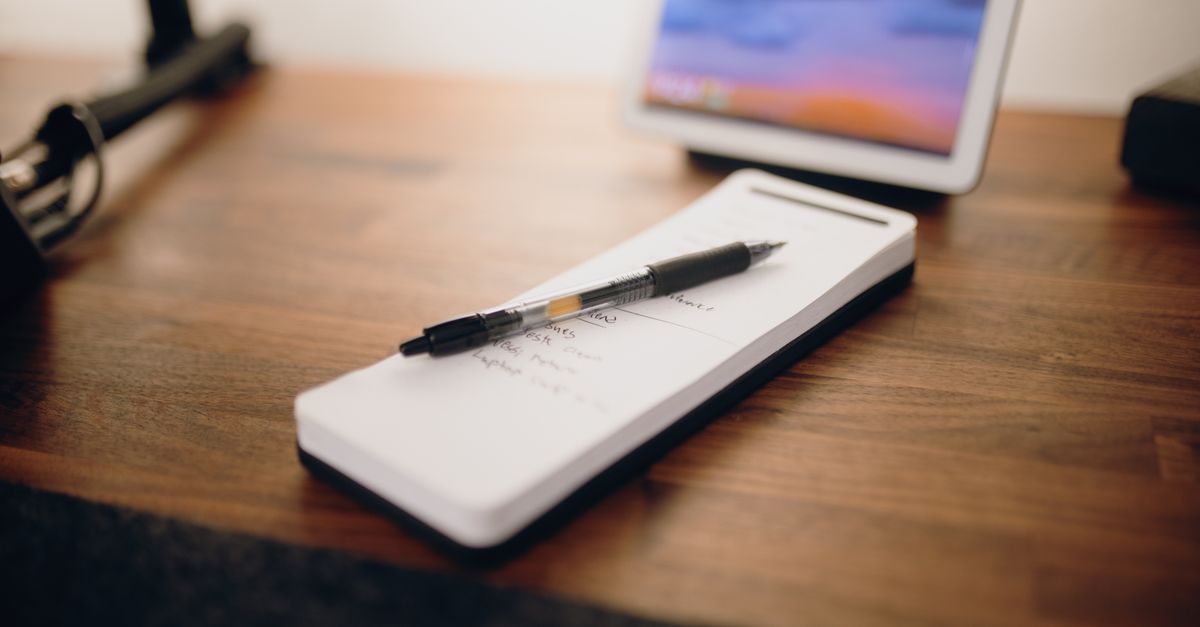
 Photo by Arina Krasnikova on Pexels
The five-minute routine, step by step
I do this right before I close my laptop. Same time, same place, so it became automatic.
- Name the one thing. What's the single task that, if it's the only thing I finish, makes tomorrow a win? I write it at the top. Just one.
- Add two or three supporters. Smaller tasks that matter, but not more than three. A long list isn't a plan, it's a wish.
- Pin the start time. The big task gets an exact slot. "Write the proposal, 9 to 10:30." Not "sometime tomorrow."
- Brain-dump the rest. Anything else nagging at me — call the dentist, reply to that email — goes on a separate, lower list so it stops circling in my head.
- Close the laptop. That's it. The plan exists. I'm off the clock.
Five minutes, maybe less. The whole point is that it's small enough that I never have an excuse to skip it.
Why "one thing" is the secret, not the list
The instinct is to plan everything. Big lists feel productive. They're a trap.
When ten tasks have equal weight, your morning brain has to re-rank them, which is the exact decision you were trying to avoid. So you default to the easiest one and call it progress.
Picking one thing the night before kills that. The decision is already made. You walk to your desk and there's no question to answer, just a task to start. Momentum from the first hour carries the rest of the day — which is also how I finally stopped procrastinating on big projects: define the one small next action, then just begin.
A plan with one clear priority beats a plan with ten equal ones, every single time.
The smaller tasks still get done — usually in the gaps, on lower energy. But they're not allowed to crowd out the thing that actually matters. That's the whole game.
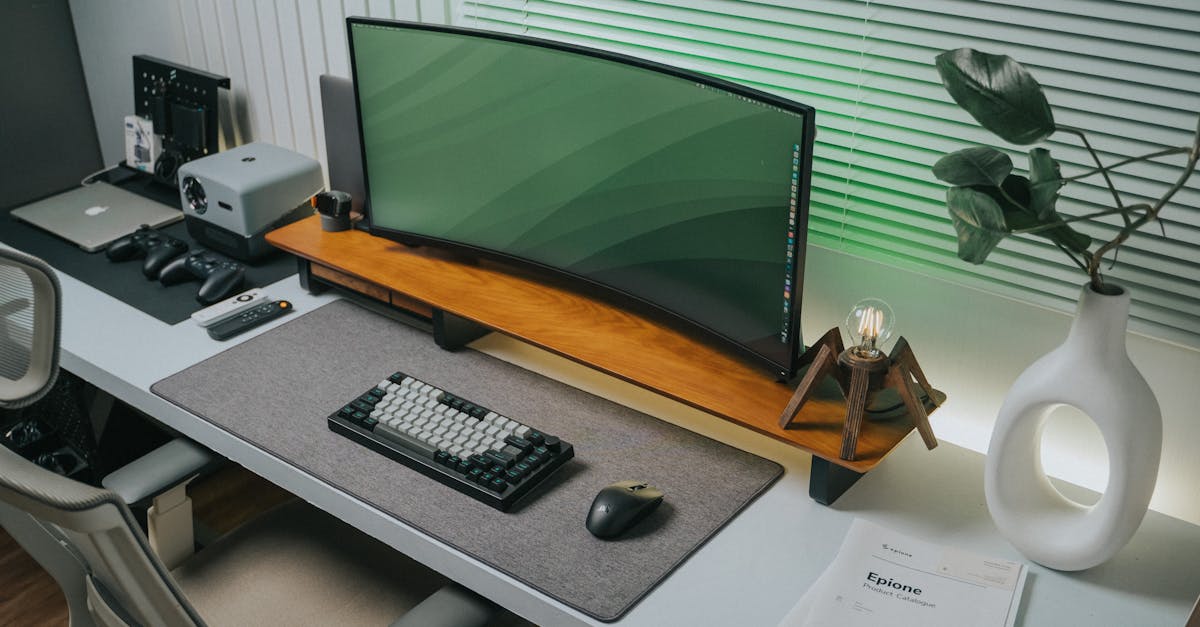 Photo by Minh Phuc on Pexels
The brain-dump nobody talks about
The step that surprised me most wasn't the planning. It was the dumping.
Half of what keeps me from sleeping or focusing isn't the work itself — it's the open loops. The unfinished thoughts. The "don't forget to" that loops endlessly because my brain doesn't trust me to remember it.
Writing them down, even on a messy throwaway list, tells your mind it's safe to let go. The loop closes. I sleep better, and I wake up without that low hum of forgotten obligations.
You don't even have to act on the list. The act of getting it out of your head is most of the benefit. Anything genuinely important survives to the next day's plan. The rest, honestly, was never that urgent.
Why evening-you is the right planner
It's worth sitting with why this works as well as it does, because the reason is what makes it stick.
Your willpower and judgment aren't constant through the day — they're a resource that drains. By evening, most of mine is spent, which sounds like a reason not to plan then. But planning tomorrow isn't a high-willpower task. It's a low-stakes, reflective one. Evening-you, looking back on a finished day, can see clearly what mattered and what was noise. Morning-you, staring at a fresh day with the freshest focus, should be using that focus, not spending it on logistics.
So the trade is deliberate. You hand the cheap, calm task of deciding to your tired-but-relaxed evening self, and you free your expensive, sharp morning self to do the actual work. It's a small act of teamwork between two versions of you.
There's a psychological angle too. Deciding tomorrow's priority tonight means you wake up already committed. You're not weighing options anymore; you're following through on a decision your past self already made. That's a much easier mental state to act from than open-ended "what should I do today," which invites negotiation, hesitation, and the easy slide into busywork.
The version of you who plans should never be the same exhausted version who has to execute at 9am.
I think this is why the habit survived when so many of my other systems didn't. It wasn't asking me to be disciplined in the morning, when I have the least to spare. It was front-loading the one decision that derails mornings into the calmest part of my day.
What changed after a month
I didn't expect much. A five-minute habit doesn't sound like a revolution.
But the mornings transformed. I stopped starting the day in reaction mode. I stopped the slow, expensive drift of deciding-while-doing. My first hour, the sharpest one, went straight into the most important work instead of being spent figuring out what that work was.
A few concrete things I noticed:
- I started the real work 30 to 60 minutes earlier
- I checked my phone less in the morning, because I already had a destination
- The big task got done before noon far more often
- Sundays felt less dread-heavy, because Monday already had a plan
The wild part is how little it costs. Five minutes. The cheapest, highest-return habit I've found, and it doesn't need a subscription or a system or a single piece of software.
If this small habit appeals to you, it's worth exploring how a handful of tiny routines like it can compound into a calmer, more durable way of working.
There was a softer change too, harder to measure but just as real. My evenings got cleaner. Before, I'd carry a low background hum of work into the night — half-formed worries about tomorrow, the nagging sense of forgotten things. Closing the day with a five-minute plan ended that. Once tomorrow was decided and the loose thoughts were dumped, my mind genuinely clocked out. I wasn't off the clock and still thinking about work; I was just off. That alone would have been worth the five minutes, even if the mornings hadn't improved at all. They did, and the evenings improved too, which is a strange amount of return for a habit this small.
The bottom line
Five minutes tonight buys you a morning that isn't a negotiation. You stop waking up to a blank page and start waking up to a decision already made.
Plan tired-tomorrow's morning with rested-tonight's mind. That's the whole trick.
Tonight, before you close the laptop, try it once. Name the one thing tomorrow is for. See how different it feels to wake up already knowing where you're going.
Key Takeaways
- Spend five minutes each night writing down the one task that must happen tomorrow—this moves the hardest decision to your calmer evening brain, eliminating morning fog and indecision.
- Add only 2-3 smaller supporting tasks to avoid overwhelm; assign the big task a specific start time (e.g., '9–10:30 AM') to prevent procrastination and ensure it gets done first.
- Dump all lingering thoughts (e.g., emails, errands) onto a separate list to close mental loops—this reduces nighttime anxiety and improves focus the next day without requiring immediate action.
- Evening planning works because it leverages your reflective, low-pressure state to prioritize effectively, freeing morning-you to execute with fresh focus instead of wasting it on logistics.
- A plan with one clear priority beats a long to-do list—it eliminates decision fatigue, builds momentum, and ensures the most important work gets done before distractions take over.
- The habit costs almost nothing (5 minutes) but delivers outsized returns: earlier starts, less phone-checking, and cleaner evenings, all by simply deciding tomorrow’s focus tonight.
Frequently Asked Questions
Why not just plan in the morning?
Because morning-you is foggy, rushed, and surrounded by distractions. Evening-you is calm and can see the whole day clearly. You're using the better version of yourself to make the decision.
What if tomorrow changes and the plan breaks?
It often does, and that's fine. The plan isn't a contract, it's a starting direction. Even a plan that gets revised at 10am beats no plan at all, because you began the day moving instead of deliberating.
Do I need an app for this?
No. A notebook, a sticky note, or a phone note all work. The tool doesn't matter. The two-minute habit of choosing one priority is what matters.
What if I can't pick just one thing?
Ask which task you'd be most relieved to finish, or which one unlocks the others. There's almost always one that quietly matters more. Trust that instinct.



Comments
Sign in to join the conversation
No comments yet. Be the first to share your thoughts!