

The Fear That Was Holding Back My Career
The Fear That Was Holding Back My Career
For nine years I told myself I was being strategic. Patient. Playing the long game.
That was a lie I was comfortable with. The truth is I was scared, and the fear had a very specific shape: I was terrified of being seen wanting something and not getting it.
So I never asked. Not for the raise, not for the lead role, not for the stage, not for the byline. I just worked hard and hoped someone would notice. Spoiler: mostly they didn't.
Quick Answer
The fear holding back most careers isn't fear of failure. It's fear of visible wanting — the embarrassment of reaching for something publicly and missing.
The fix is not "be fearless." It's smaller than that:
- Name the exact fear out loud instead of hiding it behind "I'm just being patient."
- Make one low-stakes ask per week to desensitize yourself.
- Separate the outcome from your worth so a "no" stops feeling like a verdict on you.
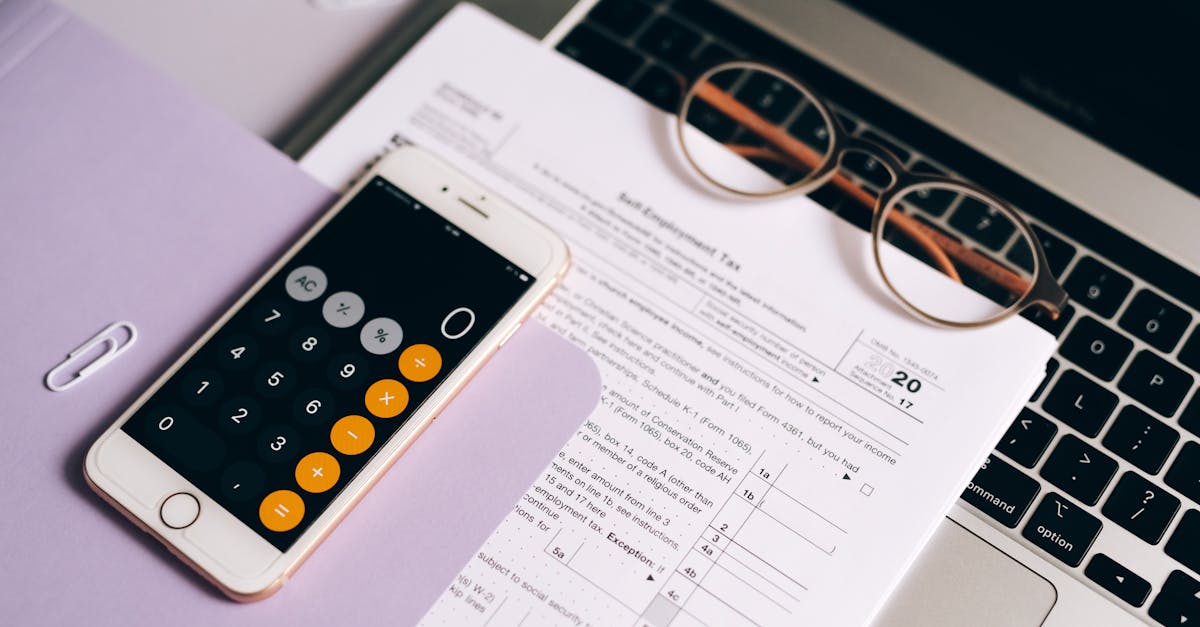
 Photo by Vlada Karpovich on Pexels
How I finally noticed the pattern
The moment it clicked was humiliating, which is usually how these moments go.
A colleague with half my experience pitched himself for a project I'd quietly wanted for months. He wasn't more qualified. He was just willing to say "I want this" in a room where people could hear him.
He got it. I went home and replayed every time I'd done the opposite. Every "oh, I don't mind either way" when I minded enormously. Every shrug that was really a flinch.
That's when I understood. I wasn't avoiding failure. I was avoiding witnesses. Failing in private felt survivable. Failing where people could see me reach felt like death.
Once you name a fear that precisely, it loses some of its grip. It becomes a thing you have, not a thing you are. This is the same quiet machinery I unpacked in the real reasons people never get unstuck — the cage is usually one we built and forgot we built.
Why this fear is so good at hiding
The reason it ran my career for so long is that it disguises itself as virtue.
Fear of visible wanting looks like humility. It looks like being a team player. It looks like patience and maturity and "I'm not the type to self-promote." Every one of those costumes earns you quiet approval, which is exactly why the fear thrives. It gets rewarded.
Nobody pulls you aside and says, "You're underselling yourself." They just give the opportunity to the person who asked.
Here's the uncomfortable math I had to face:
| What I told myself | What was actually happening |
|---|---|
| "I'm being patient." | I was waiting to be rescued. |
| "My work speaks for itself." | My work was invisible without context. |
| "I don't want to seem pushy." | I was outsourcing my ambition to luck. |
| "The right people will notice." | Busy people notice what's put in front of them. |
None of that was strategy. It was fear wearing a nice suit.
The week I started asking on purpose
I'm not a "just be brave" person. Bravery on command has never worked for me. So I did what actually works for fear, which is graded exposure — the same thing you'd do for a phobia. Research summaries from the American Psychological Association describe this exposure principle plainly: you approach the feared thing in small, repeated doses until your nervous system stops sounding the alarm. Treating courage as a skill you practice rather than a trait you're born with is what made it repeatable for me.
I committed to one small ask per week. Tiny ones. Embarrassingly small.
- Week one: I asked a senior person for fifteen minutes of feedback. That's it.
- Week two: I told my manager, out loud, "I'd like to own something bigger this quarter."
- Week three: I volunteered to present in a meeting instead of letting someone else.
- Week four: I asked a writer I admired if I could contribute a guest piece.
Three of those went fine. One was awkward. None of them killed me.
The fear promised catastrophe and delivered, at worst, a slightly awkward Tuesday.
By the end of the month, asking had stopped feeling like jumping off something. It felt like a normal motion my body knew how to make.
 Photo by Leeloo The First on Pexels
The reframe that made asking survivable
The thing that actually changed me wasn't a technique. It was a sentence I started repeating before any ask.
"A no costs me nothing I currently have."
When you reach for the lead role and don't get it, you are exactly where you were five seconds before you asked. You haven't lost ground. You've just learned the answer faster. The only thing that "fails" is the fantasy version where you got it, and that fantasy was never real to begin with.
I also stopped treating a no as feedback on me. A no is feedback on a request, made at a specific time, by a specific person, with their own constraints I can't see. It is the least personal thing in the world, even though it feels like the most.
Once those two ideas stuck, the whole calculus flipped. The cost of asking dropped to near zero. The cost of not asking — a career capped at whatever happened to land in my lap — suddenly looked enormous.
What changed when I stopped flinching
Within a year my work life was unrecognizable, and not because I got dramatically better at my job. I got better at being seen doing my job.
I got the lead role I'd wanted for two years. I started writing publicly, which I'd been "planning to do someday" since forever. I negotiated a number I would have been too scared to even say out loud before.
The skills were always there. The fear was the only thing standing between me and using them in public.
If you take one thing from this: the gap between you and the people moving past you is often not talent or hours. It's that they're willing to be seen wanting, and you've convinced yourself that wanting quietly is the same thing. It isn't.
The cost I'd been paying without counting it
For years I only ever weighed the cost of asking. The awkwardness. The possible no. The flush of embarrassment if someone said "that's not for you." Those costs were vivid and immediate, so my brain treated them as the whole equation.
What I never put on the scale was the cost of not asking. And that cost was enormous — it just arrived slowly and silently, so it never registered as a bill.
Every opportunity that went to someone louder. Every year I stayed flat while peers climbed. Every project I'd have loved that I let drift past because reaching felt unsafe. None of those showed up as a dramatic moment. They showed up as a career that was quietly smaller than it should have been, and I blamed luck, or timing, or the company.
When I finally added it up, the math was lopsided in a way that almost made me angry. The cost of asking is a few seconds of discomfort, occasionally repeated. The cost of not asking is a compounding tax on your entire working life. One is a paper cut. The other is a slow leak you don't notice until you wonder why the tank is empty.
The discomfort of asking is loud and brief. The cost of silence is quiet and permanent. We feel the wrong one.
Once I could see the invisible bill, asking stopped feeling like the risky choice. Staying silent was the expensive thing all along. I'd just never been handed the receipt.
If naming your own quiet fear is the work you keep putting off, it might be worth sitting with these ideas a while longer and trying just one small ask this week — and following along as I write more about getting unstuck.
The bottom line
The fear holding back your career probably isn't dramatic. It's quiet, it looks like a virtue, and it's been making your decisions for you while taking none of the blame.
Name it precisely. Then make it boring through repetition.
You will not be rescued. But you can absolutely ask.
What's the one ask you've been disguising as patience? You already know what it is. The only question is whether this is the week you finally say it out loud.
Key Takeaways
- Name your fear precisely—calling it 'fear of visible wanting' instead of 'patience' or 'strategy' strips it of its power and makes it manageable.
- Commit to one low-stakes ask per week (e.g., feedback, a small role, or a guest contribution) to desensitize yourself to the discomfort of asking.
- Reframe rejection: a 'no' costs you nothing you currently have and is feedback on a specific request, not a verdict on your worth or abilities.
- Separate the outcome from your identity—failure in public feels catastrophic only because you’ve conflated being seen wanting with being unworthy.
- The real cost isn’t the awkwardness of asking; it’s the compounding loss of opportunities, growth, and visibility that comes from staying silent.
- Start before you feel confident—confidence is the result of repeated action, not a prerequisite. Begin with asks so small they barely register.
Frequently Asked Questions
Isn't constantly asking for things just annoying?
There's a difference between asking and demanding. Asking is "I'd like a shot at this, here's why I think I can do it." Demanding is entitlement. One small, reasoned ask a week is not annoying — it's how careers are supposed to work.
What if I ask and get a no every time?
Then you've learned, fast, that you may be in the wrong room — wrong team, wrong company, wrong fit. That's incredibly useful information you'd never get by staying quiet. A pattern of no is a signal, not a sentence.
How do I ask when I genuinely lack confidence?
You don't wait for confidence. Confidence is the result of doing the scary thing repeatedly, not the prerequisite. Start with asks so small they barely register, and let your nervous system catch up.
Does this apply if I'm naturally introverted?
Yes. This isn't about being loud or charismatic. A written message saying "I'd like to be considered for this" works perfectly. Asking is about clarity, not volume.






Comments
Sign in to join the conversation
No comments yet. Be the first to share your thoughts!