

The Marketing Channel Everyone Ignores


The Marketing Channel Everyone Ignores
Every founder I talk to is exhausted by the same fight. Paid ads getting more expensive. Social reach cratering. SEO turning into a war of attrition against AI-generated sludge.
Meanwhile, the channel that drove most of my growth costs almost nothing, has near-zero competition, and gets ignored because it isn't sexy. It doesn't have a conference. No one tweets growth-hack threads about it.
It's your existing customers' inboxes after the sale, and the systematic way you turn them into a referral engine. Let me explain what almost everyone gets wrong here.
Quick Answer
The most ignored marketing channel is post-purchase communication turned into referrals — the deliberate use of your already-happy customers to bring you new ones.
Why it wins:
- The cost of acquisition is essentially zero.
- Referred customers convert higher and churn less.
- Competition is nonexistent because it's "boring" and slow.
Everyone chases strangers. The leverage is in the people who already said yes.
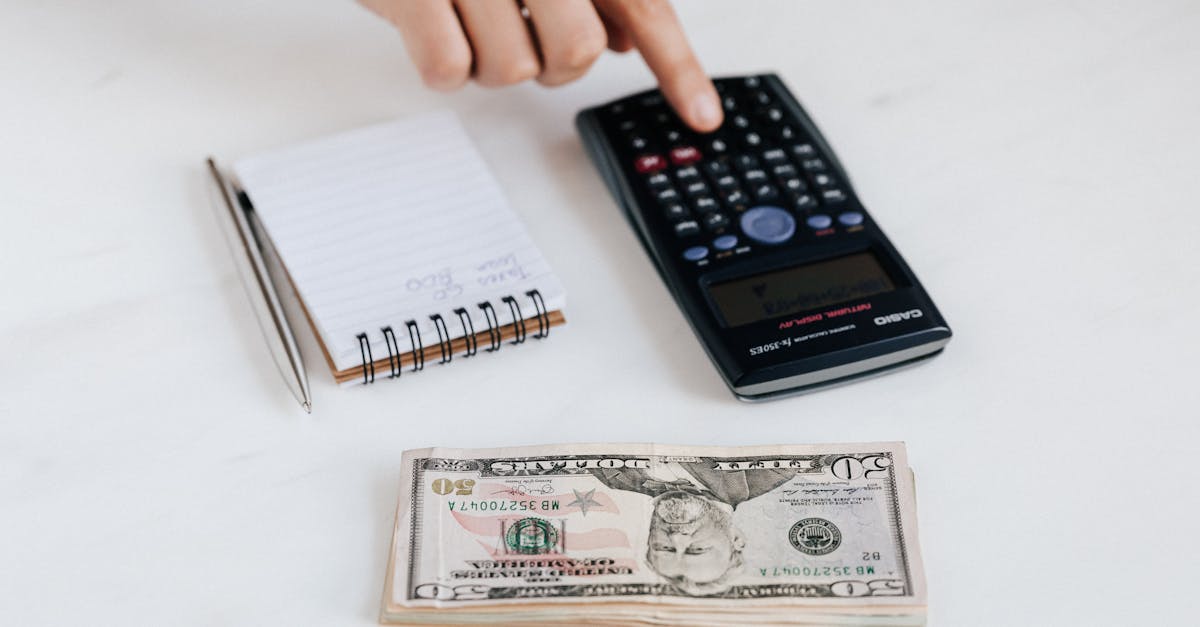
 Photo by Pavel Danilyuk on Pexels
Why everyone overlooks it
It's not a secret. So why is the field empty?
Because it doesn't feel like marketing. Marketing, in most people's heads, means reaching new people — ads, content, outreach, the hunt for strangers. Talking to people who already bought feels like customer service, or an afterthought, or something the success team handles.
There's also no dopamine in it. A referral that arrives three weeks after you delighted a customer doesn't give you the instant gratification of watching a campaign go live. The feedback loop is long and quiet, so ambitious marketers skip it for shinier things.
The boring, delayed-payoff channels are empty precisely because they're boring and delayed. That's the whole opportunity. The crowd self-selects out.
The math that changed my mind
I ignored this for two years too, chasing the same crowded channels as everyone else. Then I actually ran the numbers on where my best customers came from.
The customers I acquired through referrals were a different species. They trusted me before the first conversation, because someone they trusted had vouched. They needed less convincing, complained less, paid more readily, and stayed longer. That tracks with what Nielsen has found for years: recommendations from people we know are the single most trusted form of marketing there is. It's the same trust-compounds logic behind building an audience from zero.
Here's the rough comparison from my own data:
| Source | Cost to acquire | Conversion | Churn |
|---|---|---|---|
| Paid ads | High | Low | High |
| Cold outreach | Medium | Low | Medium |
| Content/SEO | Medium (slow) | Medium | Medium |
| Customer referral | Near zero | High | Low |
That bottom row was carrying my business while I poured most of my energy into the top three. I had the priorities exactly backwards, and so does almost everyone.
How to actually engineer referrals
Here's the part people get wrong: they assume referrals just happen if the product is good. They don't. Happy customers stay quietly happy unless you give them a reason and a moment to talk.
You have to engineer it. Here's the system that worked for me:
- Catch the peak. There's a moment right after a customer gets real value — a win, a result, a relief. That's when to ask. Most people ask at random times and get silence.
- Make the ask specific. Not "tell your friends." Instead: "Know one person dealing with the exact problem we just solved for you?" Specific requests get specific answers.
- Do the work for them. Hand them a ready-to-send message they can forward in five seconds. Friction kills referrals more than reluctance does.
- Close the loop. When a referral lands, tell the referrer and thank them genuinely. That makes them do it again.
None of this is complicated. It's just deliberate, and almost nobody is deliberate about it.
 Photo by www.kaboompics.com on Pexels
The follow-up sequence nobody builds
The biggest unlock was treating post-purchase communication as a real channel with its own sequence, the same way people obsess over their pre-purchase funnel.
After someone buys, most companies go silent except for billing. That's insane. The post-purchase window is when goodwill is highest and the relationship is warmest. I built a simple sequence of well-timed, genuinely helpful emails — not pitches:
- A "here's how to get the most out of this" note in the first week.
- A check-in at the moment they should be seeing results.
- A celebration when they hit a milestone, with the referral ask attached.
- An occasional "what else can I help with" that opens the door to expansion.
This runs largely on email automation, which means it scales without me. The effect compounds quietly. People feel looked after, results show up, and then the referral ask lands on fertile ground instead of cold dirt. It's the same instinct that let me stop spreading myself thin across every platform — do one thing deeply rather than everything shallowly.
Your funnel doesn't end at the sale. The sale is where the cheapest growth actually begins.
Why this beats chasing strangers
Step back and the logic is almost embarrassing.
To win a stranger, you have to overcome total skepticism, prove you're legit, and outspend competitors fighting for the same attention. To activate an existing happy customer, you have to do roughly nothing except ask well at the right moment.
One of these is a brutal uphill war. The other is picking up money you already earned and left on the table. And yet the entire industry pours its budget into the uphill war because it feels more like real marketing.
The companies that quietly dominate aren't the ones with the cleverest ad creative. They're the ones who turned their happiest customers into a calm, compounding growth machine while everyone else fought over the crowded channels.
Why this channel gets stronger as you grow
Most marketing channels decay as you scale. Ad costs climb as you exhaust the cheap audiences. Organic reach drops as platforms squeeze you toward paid. The easy keywords get taken. Almost everything gets harder the bigger you get.
The referral channel does the opposite. It gets stronger.
Think about the mechanism. Every happy customer is a potential source of new customers. So the more customers you have, the larger your pool of potential referrers becomes. Growth feeds the engine that drives growth. It's one of the only channels with a genuine flywheel built into its structure, rather than a ceiling.
There's a second compounding effect that's even better. Referred customers are, on average, your best customers — higher trust, lower churn, more likely to refer in turn. So you're not just acquiring more people, you're acquiring better people, who then become better referrers, who bring in more good people. The quality compounds alongside the quantity.
I watched this happen in slow motion in my own business. In the early days, referrals trickled. But as my base of genuinely happy customers grew — and as I got more deliberate about the timing and the ask — the trickle became a stream, and the stream became something I could almost forecast. New customers were arriving every month with the acquisition cost already paid by goodwill I'd banked earlier.
The crowded channels punish scale. This one rewards it. That's the whole game.
This is exactly why it's worth building early, even when it feels small and slow. You're not just turning the crank for today's customers. You're planting a flywheel that spins faster every quarter, powered by the one resource that keeps growing as long as you keep customers happy: trust.
If you've been pouring budget into chasing strangers, it may be worth asking just one happy customer for a name this week — and reading on as I share more of what quietly drives growth.
The bottom line
Everyone is fighting over the loud, crowded, expensive channels because that's where the conference talks and the dopamine are. The quiet channel — your own satisfied customers — sits wide open.
Engineer the ask. Time it to the win. Make it effortless. Then watch your cheapest customers send you your best ones.
Stop hunting strangers in a crowd. Start asking the people who already love you.
Who's the happiest customer you served last month — and have you actually asked them for a name? That single conversation is your most underused growth channel, waiting.
Key Takeaways
- Turn your existing customers' inboxes into a referral engine by systematically asking for referrals at the right moment, such as after a customer achieves a win or experiences relief from using your product.
- Engineer referrals by making the ask specific, doing the work for the customer, and closing the loop with a genuine thank you when a referral lands.
- Build a post-purchase communication sequence that includes well-timed, genuinely helpful emails to nurture the relationship and increase the chances of referrals.
- Focus on delighting your existing customers and ask for referrals in a personalized way, even if you have a small customer base, as this can be more effective than spending money on ads.
- Use email automation to scale your post-purchase communication sequence and make it easier to ask for referrals without manual effort.
- Prioritize referrals over chasing strangers, as referred customers tend to have higher trust, lower churn, and are more likely to refer others, creating a compounding growth effect.
Frequently Asked Questions
Doesn't this only work if I have a lot of customers already?
It works even better when you're small, because every customer matters more and you can personalize the ask. Ten delighted customers asked well can outperform a thousand-dollar ad spend.
Won't asking for referrals annoy people?
Only if you ask badly or too early. Ask right after you've delivered real value, make it easy, and make it specific — done that way, people are usually glad to help someone they care about.
How do I know when the "peak" moment is?
It's whenever the customer experiences the result they bought you for — the relief, the win, the "oh wow." Watch your usage data and support tone; the high points are usually obvious once you look.
Isn't a formal referral program enough?
Programs help, but most fail because they're set-and-forget. The magic isn't the incentive — it's the timing and the personal ask. A perfectly timed human request beats a generic "refer and earn 10%" banner every time.
More from Assisters


Recommended for you




Comments
Sign in to join the conversation
No comments yet. Be the first to share your thoughts!