

How to Get a Week's Work Done in a Day With AI
How to Get a Week's Work Done in a Day With AI
The first time I cleared a week's to-do list in one afternoon, I sat there feeling slightly guilty, like I'd cheated.
I hadn't. I'd just stopped doing the slow part of work by hand. Most of what fills our weeks isn't thinking — it's the friction around thinking. The blank page, the first draft, the formatting, the "where do I even start." AI doesn't make you smarter. It deletes the friction.
Here are the three places where that compression actually happens, and how to use them without flooding your work with garbage.
Quick Answer
You don't get a week's work done in a day by doing everything 5x faster. You do it by finding the three slow parts — starting from blank, doing repetitive transformations, and reviewing/finishing — and handing each to AI. The thinking stays yours. The friction goes to the machine. Compress the slow parts, keep the judgment, and a week genuinely fits in a day.
The real reason work is slow
Here's the thing nobody admits: the actual valuable part of most tasks takes minutes. The slow part is everything around it.
Writing a proposal? The deciding what to say takes ten minutes. Staring at the blank doc, formatting, drafting filler, and polishing eats the other three hours. The friction-to-value ratio is brutal, and we've all just accepted it as "how long work takes."
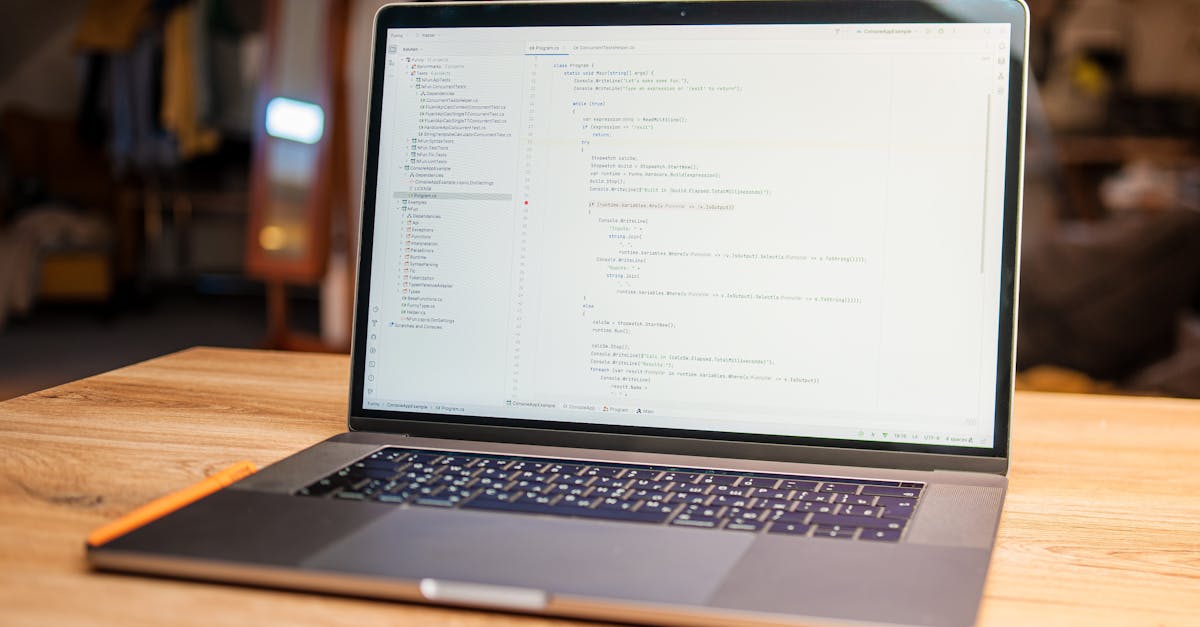
 Photo by MART PRODUCTION on Pexels
AI's whole gift is collapsing that ratio. It can't decide what you should say — that's you. But it can erase the blank page, the formatting, the drafting, and the polish. Once you see work as "thinking + friction," you know exactly what to offload. That distinction — friction to the machine, judgment kept for yourself — is the whole argument behind the honest truth about AI productivity tools, and it's where most of the real time savings actually live. Research from Harvard Business Review has made a similar point: the teams getting outsized gains from these tools are the ones redrawing the line between human and automated work, not just working faster.
Leverage point 1: never start from blank
The blank page is the most expensive object in knowledge work. It's where procrastination lives.
So I never face one anymore. Whatever I'm making — an email, a doc, a plan, an outline — I have AI generate a rough version first, then I react to it. Reacting is a hundred times faster than creating. My brain is great at "no, not that, more like this" and terrible at "produce something from nothing."
The move is simple: turn every creation task into an editing task. Ask for a messy first draft, then sculpt. You'll start in seconds instead of circling the task for an hour while you "get in the mood."
Editing is fast. Creating from nothing is slow. AI's biggest gift is turning the second into the first.
Leverage point 2: kill repetitive transformations
The second slow part is all the reshaping of information. Notes into a summary. A transcript into action items. A long doc into a short one. Bullet points into prose and back again.
These transformations are pure friction — no real thinking, just tedious reformatting. They're also exactly what AI does best, instantly and tirelessly.
A few I offload every single day:
- Meeting notes → a clean summary with owners and deadlines.
- A long article → the five points I actually need.
- Rough thoughts → a structured outline.
- A draft in the wrong tone → the same content, right tone.
Each of these used to cost me fifteen to thirty minutes. Now they cost seconds. Stack a dozen of them across a day and you've recovered most of an afternoon. This is where the "week in a day" math quietly comes from — not one big miracle, but a hundred small frictions deleted. The same compounding shows up when you automate a whole inbox in one evening: no single step is dramatic, but the deleted friction adds up to a different kind of day.
 Photo by Burst on Pexels
Leverage point 3: finish faster with a ruthless reviewer
The last slow part is the finish. The polish, the proofread, the "is this actually good enough to send." It's where perfectionism turns a 90%-done thing into a two-hour rabbit hole.
I hand the finish to AI as a critic, not a writer. I give it my near-done work and ask it to find the three weakest spots and the one thing most likely to fail. Then I fix only those and ship.
This does two things. It catches the real problems faster than my tired eyes would. And it gives me permission to stop — once the critic's top issues are handled, I'm done. No more endless polishing of things nobody will notice. The reviewer ends the task instead of letting perfectionism extend it forever.
Where it goes wrong
Now the warning, because this is also how people produce a week's worth of garbage in a day.
AI compresses friction, but it can also compress your standards if you let it. The trap is offloading the thinking, not just the friction. If you let it decide what to say, choose the angle, and judge whether it's true, you'll ship fast, confident, slightly-wrong work — and you won't even notice.
The rule that keeps me safe: AI does the friction, I keep the judgment. I decide the message, the stance, and whether it's true. AI handles blank pages, transformations, and polish. Cross that line and speed turns into a liability.
A compressed day, mapped out
Here's roughly how a "week in a day" actually looks for me, task by task.
| Task | Old time | New time | What AI did |
|---|---|---|---|
| Draft 3 client emails | 90 min | 15 min | First drafts to react to |
| Summarize 4 meetings | 60 min | 10 min | Notes → action items |
| Write a proposal | 3 hrs | 45 min | Outline + draft + critique |
| Plan next month | 2 hrs | 30 min | Structure a brain-dump |
None of these is magic. Each is just one slow part, removed. Stacked together, the day does what the week used to.
The compounding nobody mentions
There's a second-order effect here that took me weeks to notice, and it's bigger than the time savings.
When work stops being slow, you do more of it earlier. The proposal you dreaded for three days because of the blank page? You start it the moment it lands, because starting now costs thirty seconds instead of an afternoon of avoidance. Procrastination is mostly a response to friction. Remove the friction and a surprising amount of procrastination just evaporates with it.
This changes the whole texture of a week. The old pattern was: dread a task, avoid it, do it in a panic near the deadline, half-finished. The new pattern is: task lands, rough draft exists within minutes, I shape it while it's fresh, done early. The stress that used to live in the gap between "I should do this" and "I finally did this" — that gap mostly closed.
And the cleared time compounds into the good work. This is the part I want to be careful about, because it's easy to turn "a week in a day" into "now I cram a week-and-a-half into a day and burn out." That's not the win. The win is using the reclaimed hours on the deep, novel thinking AI can't do — the strategy, the hard creative call, the thing only you can make. I don't actually work less most days. I just spend far more of my day on the part that's genuinely mine, and far less on friction.
That's the trade I'd take every time. Same hours, radically different mix — less scaffolding, more substance. The week didn't get shorter. It got better.
If this resonates, try mapping just tomorrow's list into "thinking" versus "friction" and handing one frictiony block to AI — that single experiment tends to teach more than any article can.
The bottom line
You can't think 5x faster. But most of your week isn't thinking — it's the slow, frictiony scaffolding around a few minutes of real judgment.
Hand the blank pages, the reshaping, and the polishing to AI. Keep the deciding for yourself. Do that consistently and the week quietly folds into a day, not because you cheated, but because you stopped doing the slow part by hand.
So look at tomorrow's list and ask the only question that matters: which of these is real thinking, and which is just friction you've been doing manually all along?
Key Takeaways
- Identify the three slowest parts of your work—starting from blank, repetitive transformations, and reviewing/finishing—and offload them to AI to compress a week’s tasks into a day.
- Turn every creation task into an editing task by having AI generate a rough first draft, then refine it; reacting is 100x faster than creating from scratch.
- Eliminate repetitive transformations (e.g., notes → summary, long doc → short doc, bullets → prose) by automating them with AI, saving dozens of small time leaks daily.
- Use AI as a ruthless reviewer to critique near-finished work, flagging only the top issues to fix—this prevents perfectionism and speeds up completion.
- Preserve your judgment as the human role: AI handles friction (blank pages, formatting, polish), but you decide the message, angle, and truth to avoid low-quality output.
- Reclaim procrastination time by reducing friction—tasks that once took hours to start now take seconds, shifting your week from avoidance to early, stress-free completion.
Frequently Asked Questions
Doesn't this just produce more low-quality output?
Only if you offload judgment along with friction. Keep the deciding and the truth-checking yours, and the quality holds while the speed climbs. Speed without standards is the failure mode — guard against it deliberately.
Where do I start if I'm new to this?
The blank page. Just stop creating from nothing — ask for a rough draft and edit it instead. That single habit reclaims the most time for the least effort.
Won't my work feel less "mine"?
The thinking is still entirely yours — the angle, the message, the call on what's true. AI just clears the friction so more of your day is the part that's actually you. It feels more mine, not less.
Is "a week in a day" realistic or hype?
For friction-heavy weeks, genuinely realistic. For weeks dominated by deep, novel thinking, less so — AI can't do your hardest thinking for you. The compression scales with how much of your work is friction versus genuine thought.






Comments
Sign in to join the conversation
No comments yet. Be the first to share your thoughts!