

Automation Should Remove Toil, Not Judgment


Automation Should Remove Toil, Not Judgment
There's a line running through every automation decision, and most failures come from crossing it. On one side is toil: the boring, repetitive, mechanical work that follows clear rules and drains your time without needing your brain. On the other side is judgment: the decisions that depend on context, nuance, and weighing trade-offs that can't be reduced to a rule. Good automation removes the toil and frees you for the judgment. Bad automation tries to automate the judgment itself — and that's where things quietly break.
Here's how to tell the two apart, and why the distinction decides whether automation helps or hurts.
Quick Answer
Automation should remove toil, not judgment — automate the repetitive mechanical work, keep humans on the decisions that need context.
The distinction:
- Toil is rule-based and repetitive — perfect for automation.
- Judgment is contextual and nuanced — automating it backfires.
- Good automation frees you for judgment by taking the toil off your plate.
- Bad automation hides judgment inside a rule that can't handle the cases that matter.
Automate the work that drains you; keep the decisions that need a human.
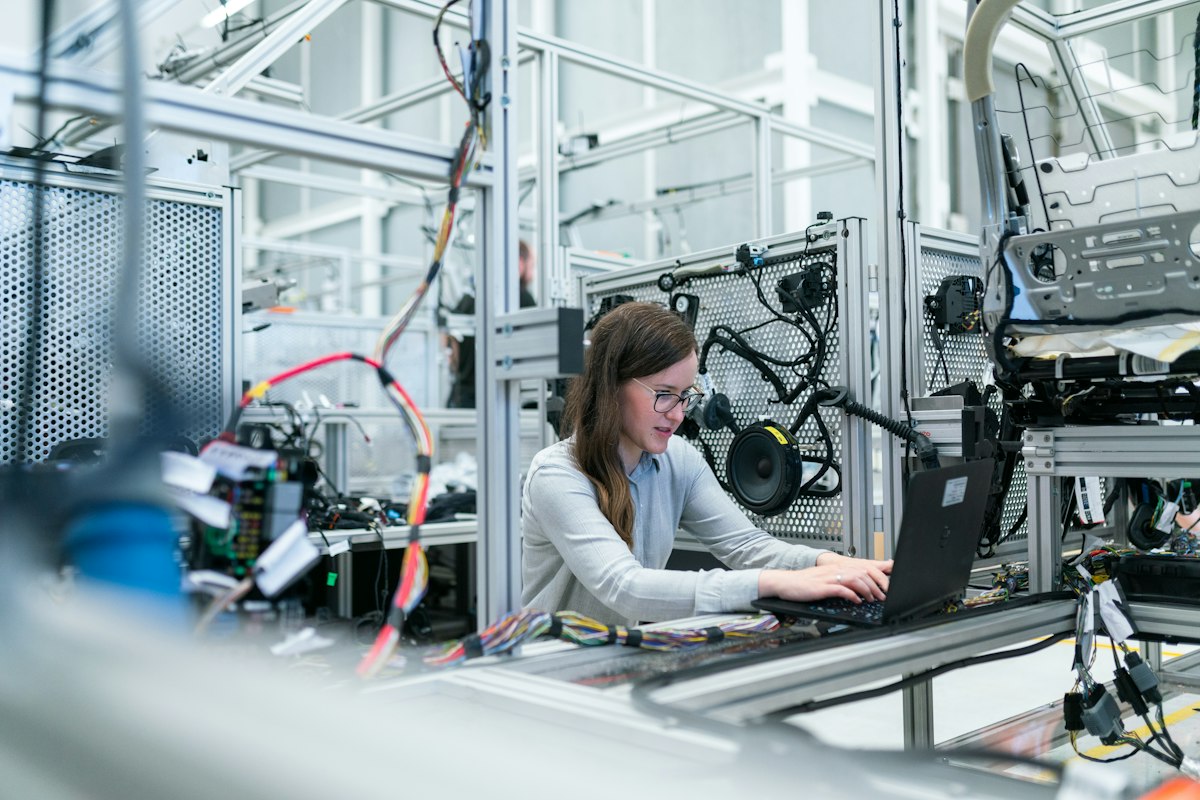
Toil vs. judgment: the line that matters
The key to automating well is recognizing which kind of work you're dealing with. Toil is work that follows clear, stable rules and doesn't benefit from human thought — data entry, formatting, moving files, sending the same reminder, running the same report. It's repetitive and mechanical, so a machine does it faster, more consistently, and without the boredom that makes humans make mistakes. This is automation's home turf: take the toil off the plate entirely, and everyone is better off.
Judgment is different in kind, not just degree. It's the work that depends on context the rule doesn't capture — weighing trade-offs, reading a situation, deciding what matters in this case. Judgment resists automation not because machines are slow but because the whole point of judgment is handling the cases a rule can't anticipate. When you try to automate judgment, you replace contextual reasoning with a fixed rule, which works for the typical case and fails exactly where judgment was needed — the edge cases, the exceptions, the situations the rule's author never imagined. The failure isn't random; it's concentrated in precisely the moments that mattered most.
Why automating judgment backfires
The reason automating judgment is so dangerous is that it looks like it works — right up until it doesn't, in the cases that count:
| Automating toil (good) | Automating judgment (bad) |
|---|---|
| Removes repetitive, rule-based work | Replaces contextual reasoning with a fixed rule |
| Fails visibly and rarely | Fails silently in the edge cases |
| Frees humans for decisions | Removes the human from decisions |
| Consistency is a feature | Consistency is the bug |
When you automate toil, the consistency is exactly what you want — every invoice formatted the same way, every reminder sent on time. When you automate judgment, that same consistency becomes the problem: the system applies the same rule to situations that genuinely needed different handling, and because it runs automatically, nobody's watching for the cases where the rule is wrong. The errors accumulate quietly, surfacing as the unhappy customer the rule mishandled, the exception that should have been escalated, the nuance that got flattened. This is the same trap as automation projects that backfire: the automation didn't fail at the work it was given — it was given the wrong work. Judgment wasn't toil to be removed; it was the reason a human was there.
Keep the human where the judgment is
The discipline, then, is to draw the line deliberately: automate aggressively on the toil side and keep humans firmly on the judgment side. The goal of good automation isn't to remove humans from the process — it's to remove the drudgery from the process so humans can spend their attention where it actually adds value. When the mechanical work is automated, people are freed to do the contextual reasoning, handle the exceptions, and make the calls that need a brain. That's automation working as intended: a force multiplier for human judgment, not a replacement for it.
The trap to avoid is the seductive pitch that automation can handle "the whole process," judgment included. It can handle the typical path, which is why the demo looks great — but it can't handle the cases where judgment was the point, which is why the real-world results disappoint. The smart move is to keep a human in the loop precisely at the decision points, with automation handling everything around them. This is the same logic behind keeping AI agents on a leash: let the machine do the mechanical work, but keep human judgment in charge of the calls that carry consequences. Automate the toil; protect the judgment. That line is where good automation lives.
How to automate the right things
To make sure your automation removes toil rather than judgment:
- Classify the work first. Is this rule-based toil or contextual judgment?
- Automate the toil aggressively. Repetitive, mechanical, rule-following work belongs to machines.
- Keep judgment human. If it needs context the rule can't capture, keep a person on it.
- Watch the edge cases. Automating judgment fails exactly where the rule can't anticipate.
- Aim to free attention, not remove humans. Good automation multiplies judgment; it doesn't replace it.
The throughline: automation should remove toil, not judgment. Toil is rule-based, repetitive work that machines do better; judgment is contextual reasoning that resists automation because its whole purpose is handling the cases a rule can't. Automating judgment looks like it works until it fails — silently, in exactly the cases that mattered. Draw the line deliberately: automate the drudgery, keep the human where the decisions are, and let automation be a multiplier for judgment rather than a replacement for it.
The bottom line
Automation should remove toil, not judgment. Toil — the repetitive, rule-based, mechanical work that drains time without needing thought — is automation's home turf, where machine consistency is exactly the feature you want. Judgment — the contextual reasoning that handles the cases a rule can't anticipate — is precisely what automation shouldn't touch, because its whole purpose is the cases a fixed rule will get wrong.
The danger is that automating judgment looks like it works, succeeding in the typical case while failing silently in the edge cases that mattered most. So draw the line deliberately: automate the drudgery aggressively, keep humans firmly on the decisions, and remember that good automation is a multiplier for human judgment, not a substitute for it. Automate the work that drains you; protect the decisions that need you.
Key Takeaways
- Classify work as either rule-based toil (automate) or contextual judgment (keep human) before automating—misclassification leads to silent failures in critical edge cases.
- Automate repetitive, mechanical tasks like data entry, formatting, or scheduled reminders aggressively; machines handle these faster and more consistently than humans.
- Never automate judgment-dependent decisions (e.g., weighing trade-offs, handling exceptions)—fixed rules fail precisely where nuance and context matter most.
- Watch for silent failures: automating judgment succeeds in typical cases (demo-friendly) but accumulates errors in exceptions, surfacing as mishandled customers or unaddressed edge cases.
- Keep humans in the loop at decision points—automation should free attention for judgment, not replace it, acting as a force multiplier for human reasoning.
- Test automation boundaries by asking: Does this work need reasoning about the specific situation, or just faithful execution of a known rule? If the former, keep it human.
Frequently Asked Questions
How do I tell toil from judgment?
Toil follows clear, stable rules and doesn't benefit from human thought — data entry, formatting, moving files, sending the same reminder, running the same report. It's mechanical and repetitive, so a machine does it faster and more consistently. Judgment depends on context the rule can't capture: weighing trade-offs, reading a situation, deciding what matters in this case. The test is whether the work needs reasoning about the specific situation or just faithful execution of a known rule. If a rule fully describes it, it's toil; if handling the exceptions is the point, it's judgment.
Why does automating judgment fail when it seems to work?
Because it works for the typical case — which is what you see in the demo — but fails in the edge cases, exceptions, and situations the rule's author never imagined, which is exactly where judgment was needed. Worse, because the system runs automatically, nobody's watching for the cases where the rule is wrong, so the errors accumulate silently: the mishandled customer, the un-escalated exception, the flattened nuance. The consistency that's a feature when automating toil becomes the bug when automating judgment, applying one rule to situations that needed different handling.
Doesn't keeping humans in the loop defeat the point of automation?
No — the point of automation isn't to remove humans, it's to remove drudgery so humans can spend their attention where it adds value. When the mechanical work is automated, people are freed to do the contextual reasoning, handle exceptions, and make the calls that need a brain. That's a force multiplier for judgment, not a replacement for it. The pitch that automation can handle "the whole process" including judgment is the trap: it handles the typical path well but disappoints in the cases where judgment was the whole point. Keep the human at the decision points.







Comments
Sign in to join the conversation
No comments yet. Be the first to share your thoughts!