

The Content Calendar Is a Trap


The Content Calendar Is a Trap
A content calendar feels like the responsible thing to do. It looks like discipline, like a system, like the difference between professionals and amateurs. And used well, it can be. But there's a trap hiding inside it: once the calendar exists, it quietly replaces the question that actually matters — "is this worth publishing?" — with a much worse one: "what goes in Tuesday's slot?" The moment the calendar becomes the goal, you start producing content to fill slots rather than because you have something worth saying. And readers can tell.
Here's how the calendar turns from a tool into a trap, and how to keep quality in charge.
Quick Answer
A rigid content calendar becomes a trap when filling slots replaces the question of whether something is worth publishing.
The trap:
- The calendar shifts the goal from "is this worth saying?" to "what fills Tuesday?"
- Slot-filling produces filler — content made to meet a schedule, not to serve readers.
- Consistency matters, but quality matters more — a worse cadence of better content wins.
- Use the calendar as a tool, not a master — let it serve quality, not override it.
Publish because you have something worth saying, not because the calendar says it's time.
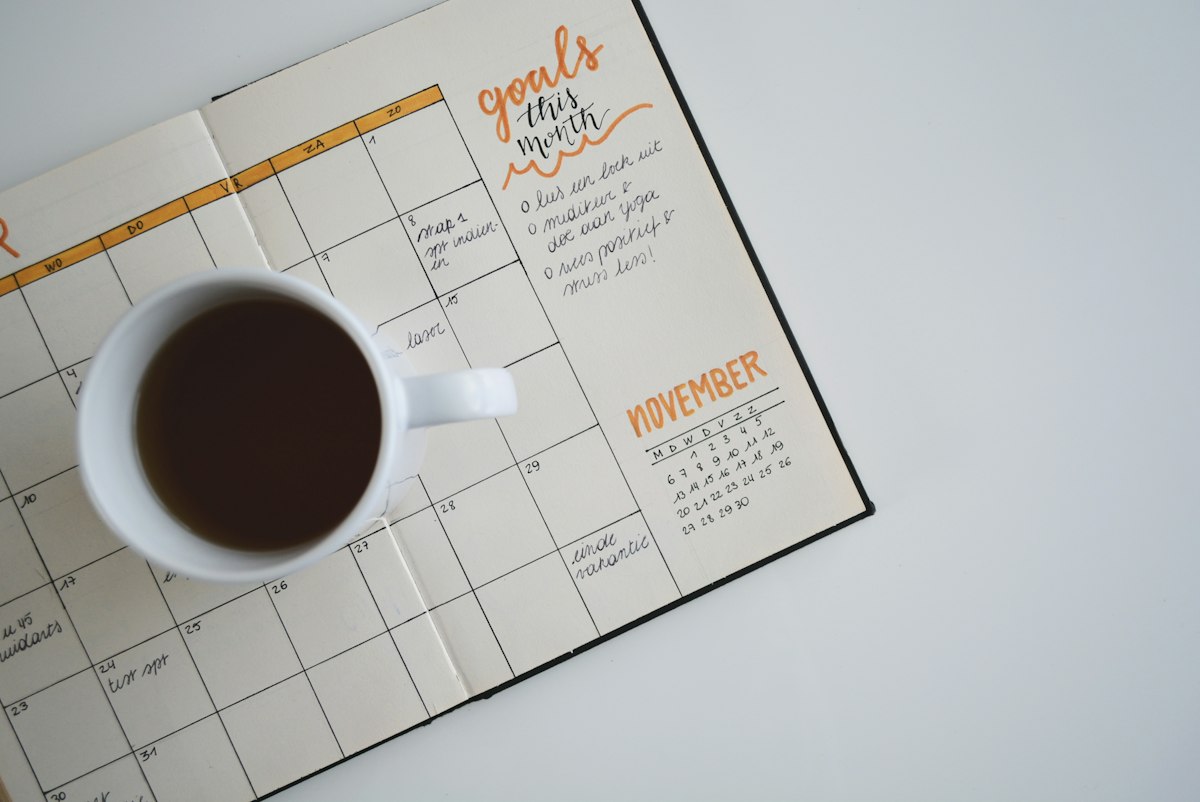
How the calendar changes the question
The trap isn't the calendar itself — it's the subtle way it changes the question you're answering. Without a calendar, the natural question before publishing is "do I have something worth saying?" The content exists because there's a reason for it. But once the calendar is in place, with its slots demanding to be filled, the operative question silently becomes "what can I put in Tuesday's slot?" The schedule, not the value, now drives what gets made. You're no longer asking whether something deserves to be published; you're asking what's available to fill the gap.
This shift is corrosive precisely because it feels productive. You're hitting your cadence, the calendar is full, the dashboard is green — all the signals say you're doing well. But the content is increasingly made to fill slots rather than to serve readers, and that origin shows up in the work. Slot-filler is thin, obligatory, going through the motions; it's the post that exists because Tuesday demanded a post, not because anyone needed to read it. The calendar measured the wrong thing — output cadence — and optimizing for it produced exactly what you'd expect: a steady stream of content that meets the schedule and serves no one. This is the vanity-metric problem applied to publishing: hitting the cadence became the target, and the target replaced the goal.
Consistency matters — quality matters more
The usual defense of the calendar is consistency, and consistency genuinely does matter. But it's a means, not the end:
| Calendar as master (trap) | Calendar as tool (works) |
|---|---|
| Fill the slot no matter what | Publish when there's something worth saying |
| Cadence is the goal | Quality is the goal, cadence serves it |
| Produces reliable filler | Produces reliable value |
| Readers sense the obligation | Readers sense the intent |
Consistency matters because it builds the habit and the audience expectation that you'll show up. But it's valuable only as a vehicle for quality — consistently showing up with filler trains your audience to ignore you, which is worse than showing up less often with something worth their time. A slightly worse cadence of genuinely good content beats a perfect cadence of slot-filler, every time, because readers are responding to value, not to your discipline. The calendar's promise — "just keep publishing and you'll win" — quietly assumes the publishing is good, and when slot-pressure erodes that, the consistency stops helping and starts actively training your audience to disengage. This is the same lesson behind why consistency beats virality only when the content is worth it: the streak is worthless if what's in it isn't.
Keep the calendar as a tool, not a master
The resolution isn't to abandon the calendar — planning and consistency are genuinely useful. It's to keep the calendar in its proper place as a tool that serves quality, never a master that overrides it. A calendar used well is a planning aid: it helps you think ahead, batch your work, and maintain a healthy rhythm. The danger is only when filling it becomes the objective in itself, at which point it starts manufacturing filler to satisfy its own slots. The fix is to let quality keep its veto: if Tuesday's slot has nothing worth publishing, the right move is to publish nothing, or publish something else, not to manufacture filler to satisfy the schedule.
So treat the calendar as a servant of the real goal — publishing things worth reading — rather than a goal in itself. Plan with it, use it to stay organized and consistent, but never let "the calendar says publish" override "this isn't good enough yet." The teams that win at content aren't the ones that never miss a slot; they're the ones whose every published piece earns its place, with the calendar helping them organize that work rather than forcing them to dilute it. Publish because you have something worth saying. Let the calendar help you do that consistently — not replace the reason for doing it at all.
How to use a content calendar without falling into the trap
To keep the calendar serving you rather than the reverse:
- Keep the real question. Ask "is this worth publishing?" not "what fills the slot?"
- Give quality a veto. If the slot has nothing worth saying, publish nothing or something else.
- Treat consistency as a means. It's valuable only as a vehicle for quality, never on its own.
- Plan with it, don't obey it. Use the calendar to organize work, not to manufacture filler.
- Judge by value, not cadence. Readers respond to whether content is worth their time.
The throughline: a content calendar becomes a trap when filling slots replaces the question of whether something is worth publishing. The schedule starts driving what gets made, producing filler that hits the cadence and serves no one — optimizing output instead of value. Consistency matters, but only as a vehicle for quality; a worse cadence of better content beats a perfect cadence of filler. Keep the calendar as a tool that serves quality, give quality a veto over the slot, and publish because you have something worth saying.
The bottom line
The content calendar is a trap when it stops serving quality and starts demanding to be filled. Its danger is subtle: it changes the question from "is this worth publishing?" to "what goes in Tuesday's slot?", letting the schedule drive what gets made. The result is filler — content that hits the cadence and serves no one — because the calendar measured output and optimizing for output produced exactly that.
Consistency matters, but only as a vehicle for quality: a worse cadence of better content beats a perfect cadence of filler, because readers respond to value, not to your discipline. So keep the calendar in its place as a planning tool that serves the real goal, give quality a veto over any slot, and publish because you have something worth saying — not because the calendar says it's time.
Key Takeaways
- Replace 'what fills Tuesday’s slot?' with 'is this worth publishing?'—let the value of the content, not the calendar, drive publishing decisions.
- Treat consistency as a means to deliver quality, not an end in itself—readers disengage from reliable filler faster than from occasional high-value content.
- Give quality an absolute veto: if nothing worth publishing exists for a slot, publish nothing or something else rather than manufacturing filler to meet the schedule.
- Use the calendar as a planning tool to batch work and maintain rhythm, but never let it override the question of whether the content deserves to exist.
- Optimize for reader value, not output cadence—teams that win at content publish only what earns its place, with the calendar serving that goal, not dictating it.
- Recognize the trap’s subtle productivity illusion: hitting cadence feels like progress, but slot-filling produces thin, obligatory content that trains audiences to ignore you.
Frequently Asked Questions
What's actually wrong with a content calendar?
Nothing, until it changes the question you're answering. Without a calendar, you ask "do I have something worth saying?" before publishing. With one, the demanding empty slots silently shift the question to "what can I put in Tuesday's slot?" — letting the schedule, not the value, drive what gets made. The trap is corrosive because it feels productive: you're hitting cadence and the dashboard is green, but the content is increasingly made to fill slots rather than serve readers, and that origin shows up as thin, obligatory filler.
But isn't consistency important for building an audience?
Yes — consistency builds the habit and the expectation that you'll show up, and that genuinely matters. But it's a means, not the end. Consistency is valuable only as a vehicle for quality: consistently showing up with filler trains your audience to ignore you, which is worse than showing up less often with something worth their time. A slightly worse cadence of genuinely good content beats a perfect cadence of slot-filler every time, because readers respond to value, not to your discipline. The streak is worthless if what's in it isn't.
So should I abandon the content calendar entirely?
No — planning and consistency are genuinely useful. The fix is to keep the calendar as a tool that serves quality, never a master that overrides it. Use it to think ahead, batch work, and maintain rhythm, but give quality a veto: if Tuesday's slot has nothing worth publishing, publish nothing or something else rather than manufacturing filler. Treat the calendar as a servant of the real goal — publishing things worth reading — not a goal in itself. Plan with it; don't let "the calendar says publish" override "this isn't good enough yet."



Comments
Sign in to join the conversation
No comments yet. Be the first to share your thoughts!