
AI tools for personal trainers and fitness coaches in 2026 automate client program design, nutrition planning, and social media content — so coaches can serve more clients without burning out.
AI fitness tools analyze client data — goals, fitness level, health history, wearable metrics — and generate personalized training programs, nutrition plans, and progress adjustments. For coaches, they also automate the business side: client communications, content creation, and session scheduling.
The International Health, Racquet and Sportsclub Association (IHRSA) reports that the fitness industry generates $96 billion annually, with online coaching growing 30% year-over-year since 2022. The Bureau of Labor Statistics projects fitness trainer employment to grow 13% through 2033 — above average. But competition is fierce: trainers who can serve 50 online clients with the quality of 10 will outcompete those relying on manual processes.
| Without AI | With AI |
|---|---|
| 2 hours per client for program design | AI generates program in 10 minutes |
| Generic nutrition advice | Adaptive AI nutrition plans from wearable data |
| Manual check-in messages to 20 clients | Automated personalized check-ins |
| 4 hours/week on social content | 30 minutes with AI assistance |
| Tool | Use Case | Free Tier | Best For |
|---|---|---|---|
| Trainerize AI | Client program delivery + AI programming | Yes (2 clients) | Online coaching management |
| TrueCoach | Program delivery and client messaging | No ($19/mo) | Premium online coaching |
| MacroFactor | Adaptive nutrition tracking for clients | No ($12/mo) | Evidence-based nutrition coaching |
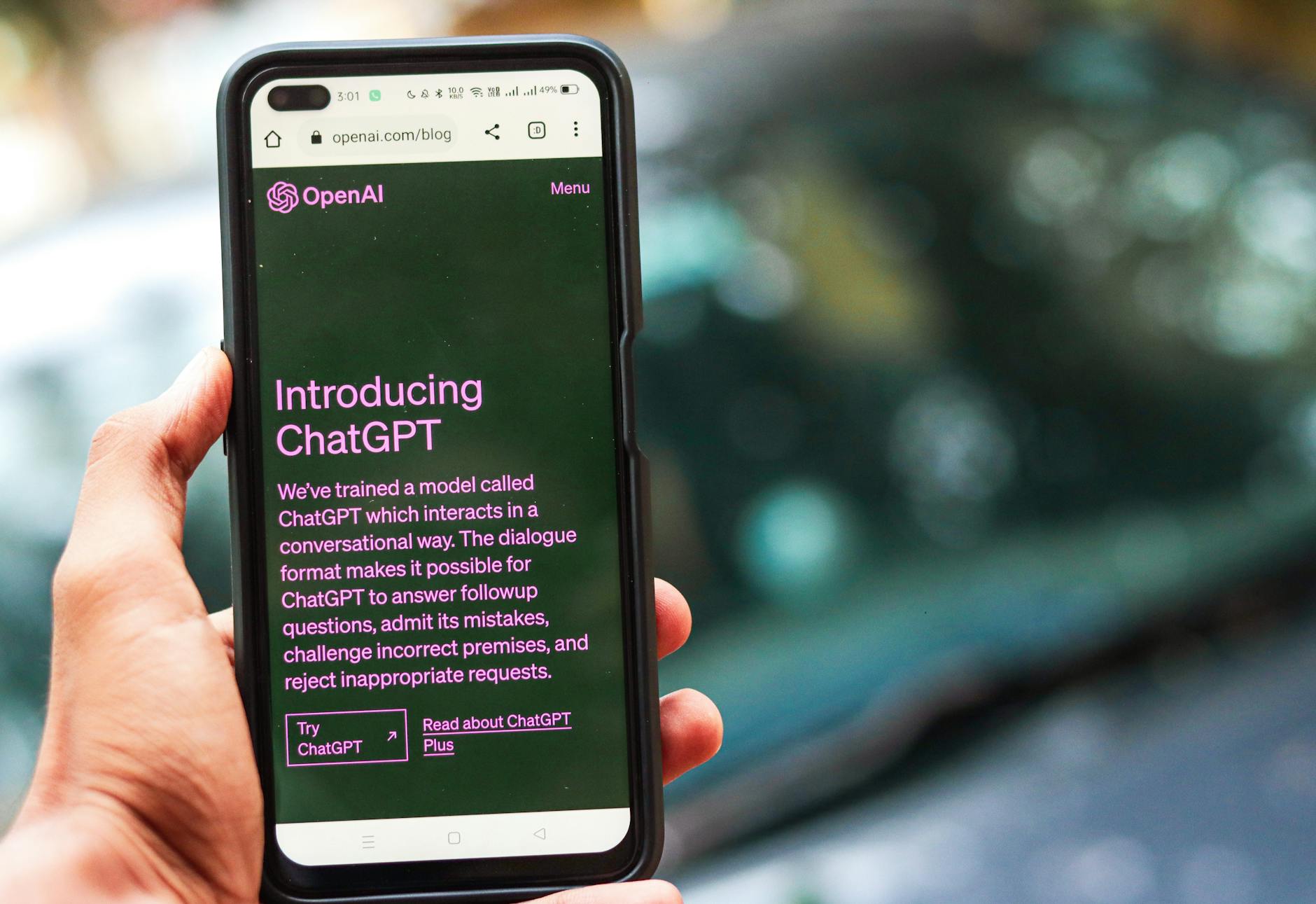
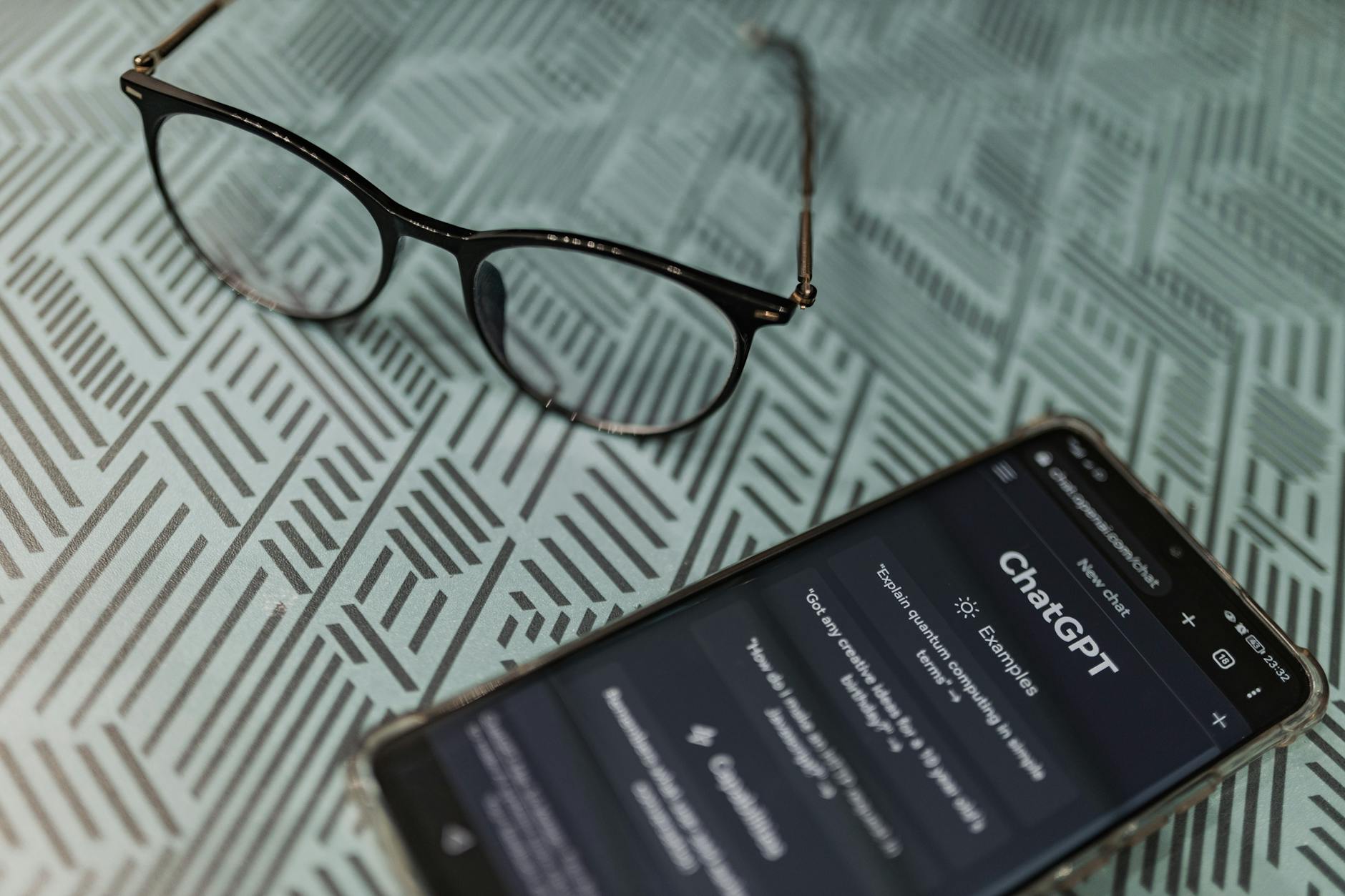
| ChatGPT | Program design, content creation | Yes | General coaching automation |
| Canva AI | Social media fitness content | Yes | Visual content creation |
| Whoop + AI Analysis | Client wearable data interpretation | No | Recovery and readiness coaching |
| Everfit | Program builder with AI templates | Yes (5 clients) | Fitness program automation |
| Notion AI | Client management, SOP documentation | Paid | Business systemization |
Step 1: Client Onboarding and Assessment Use a standardized intake form (PAR-Q, goals, training history, equipment access). Feed this data to ChatGPT with a detailed prompt: "Design a 12-week hypertrophy program for a 35-year-old female beginner with access to dumbbells and a bench, training 3x/week, goal: 5kg muscle gain." Review and adjust before sending to the client.
Step 2: Personalized Program Design Trainerize AI and Everfit have built-in program templates that AI adapts to client parameters. For nutrition, MacroFactor provides adaptive calorie targets that automatically adjust based on client weight trend data — no manual calculations.
Step 3: Wearable Data Analysis If clients use a Whoop, Garmin, or Apple Watch, AI tools interpret HRV, sleep, and recovery data to recommend training adjustments. A client showing 3 nights of poor sleep and low HRV should not push a max effort session.
Step 4: Automated Client Check-Ins Set up automated weekly check-in messages through Trainerize or a simple Zapier + ChatGPT integration. Clients receive personalized progress prompts; their responses feed back into AI program adjustments.
Step 5: Social Media Content Use ChatGPT to generate 30 fitness tip posts, workout demos, and motivational captions in one session. Canva AI produces matching visuals from templates. Schedule with Buffer or Later.
Step 6: Business Documentation Notion AI generates client intake SOPs, liability waiver templates, and training program documentation. Build your coaching system once, replicate across all clients.
A: AI excels at generating structured programs efficiently, but the coaching relationship — accountability, motivation, real-time form correction, and emotional support — remains human. AI handles the paperwork so coaches can focus on connection.
A: AI nutrition tools are best for general fitness goals (muscle gain, fat loss, performance). For clients with eating disorders, medical conditions, or specific therapeutic needs, refer to a registered dietitian. Always disclose that you are not a licensed dietitian unless you hold that credential.
A: Whoop 5.0 has the most sophisticated AI recovery coaching. Garmin's Body Battery and training load analysis are strong. Apple Watch with iOS 19's AI health features integrates well with third-party coaching apps.
A: ChatGPT can write your coaching website copy, email sequences, lead magnet content (free workout PDFs), and sales page text. Canva AI handles all visual content. This replaces thousands of dollars in copywriting and design costs.
A: In many jurisdictions, providing individualized medical nutrition therapy requires a dietitian license. Providing general healthy eating guidance within a fitness context is typically within a trainer's scope. Always review your local regulations and include appropriate disclaimers.
AI is transforming personal training from a 1:1 service into a scalable coaching business. Trainers who adopt AI tools for programming, nutrition, and content will serve more clients at higher quality — and build more sustainable businesses. Start with program automation and content creation for immediate ROI.
Discover more health and coaching AI tools at misar.blog.
The AI Assistant Creator Economy Explained

By 2026, AI chatbots won’t just be tools—they’ll be revenue streams. If you’re a creator, coach, consultant, or small business owner, an AI…
The future of customer service isn’t being built in call centers alone—it’s being embedded directly into the products and workflows your Saa…




Comments
Sign in to join the conversation
No comments yet. Be the first to share your thoughts!