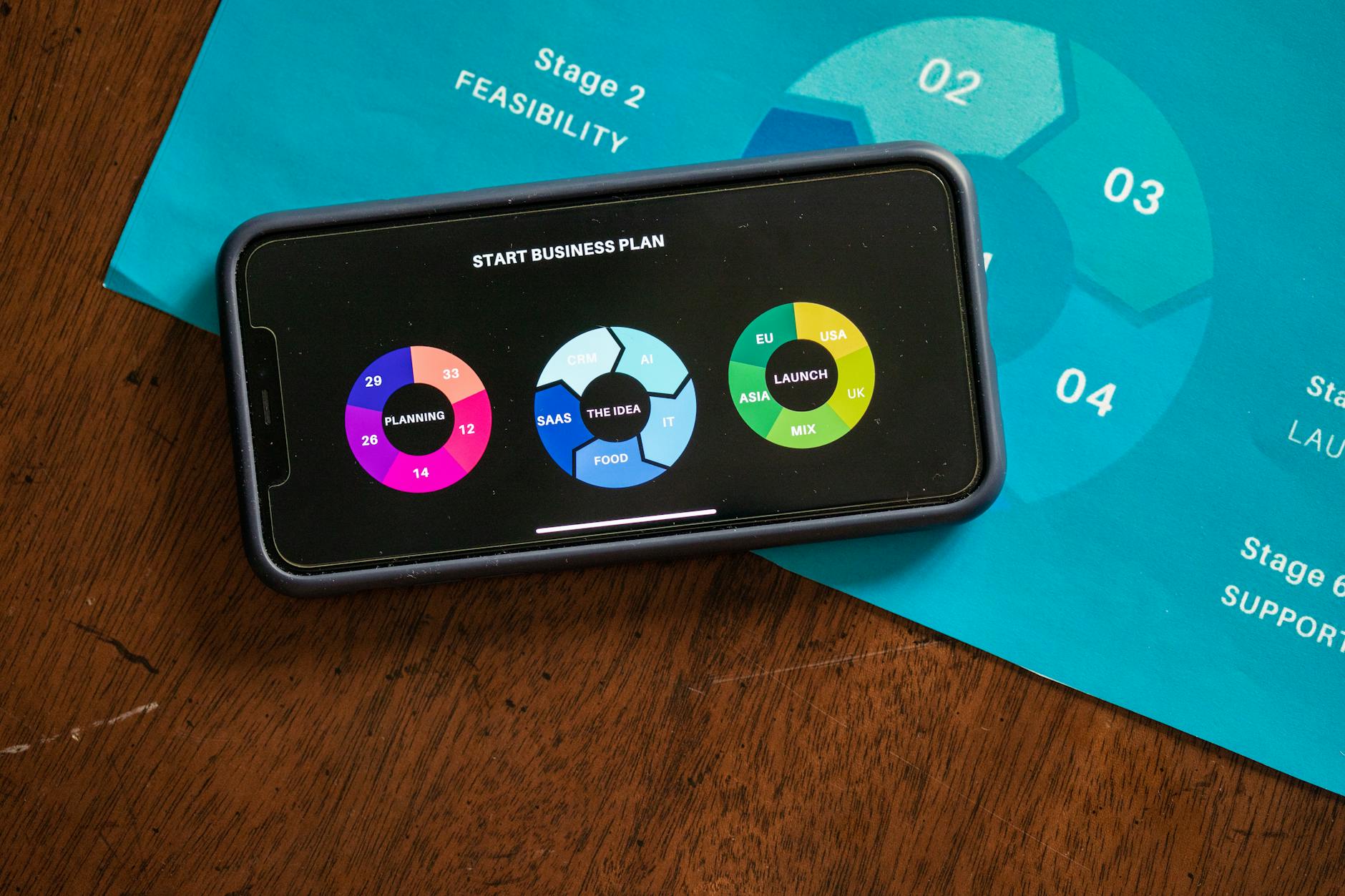
To build a SaaS with AI in 2026: (1) validate your idea with AI market research, (2) build the MVP with AI-assisted coding (Cursor, v0, GitHub Copilot), (3) launch on Product Hunt with AI-generated copy, and (4) acquire customers with AI outreach. You can launch an MVP in 4–8 weeks with AI assistance, even with limited coding experience.
The AI SaaS build stack:
AI-assisted SaaS development means using AI tools at every stage of building a software-as-a-service product — from writing the product spec to generating UI code, from building API endpoints to writing launch emails.
In 2026, AI has collapsed the time required to go from idea to working product. What took a 3-person team 6 months in 2020 can now be done by 1–2 people in 4–6 weeks with the right AI tools.
Before writing a line of code:
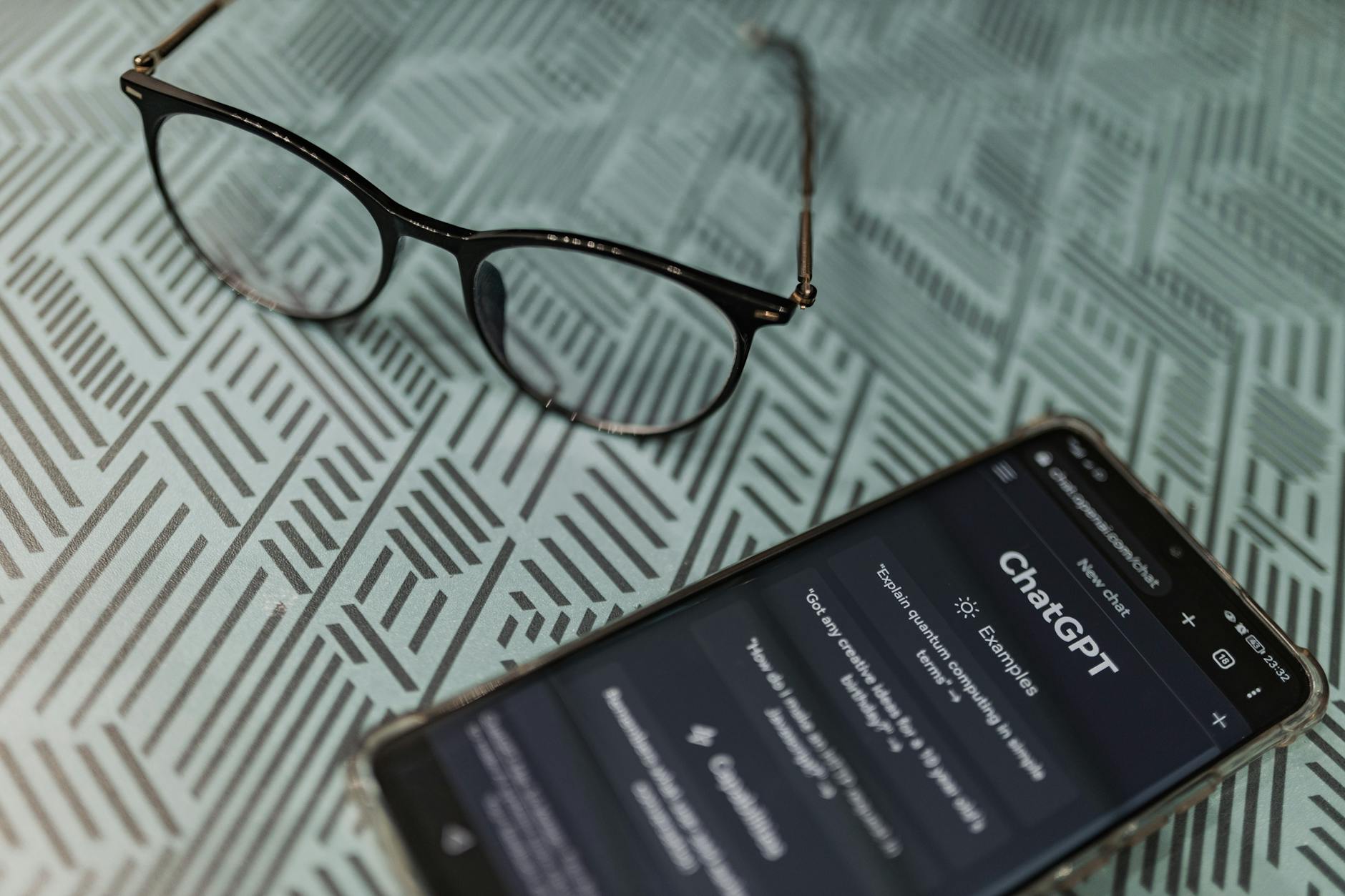
Use ChatGPT to write a one-page PRD (Product Requirements Document):
Write a 1-page PRD for a SaaS product that [description].
Include:
- Problem statement
- Target users (3 personas)
- Core features (MVP only — not full roadmap)
- Success metrics
- Out of scope (explicitly)
- Technical constraints
Important: Keep the MVP feature list to 3–5 features maximum. AI will suggest more — ignore it.
v0.dev by Vercel generates React/Next.js UI components from text descriptions:
Result: Production-quality UI in hours, not weeks.
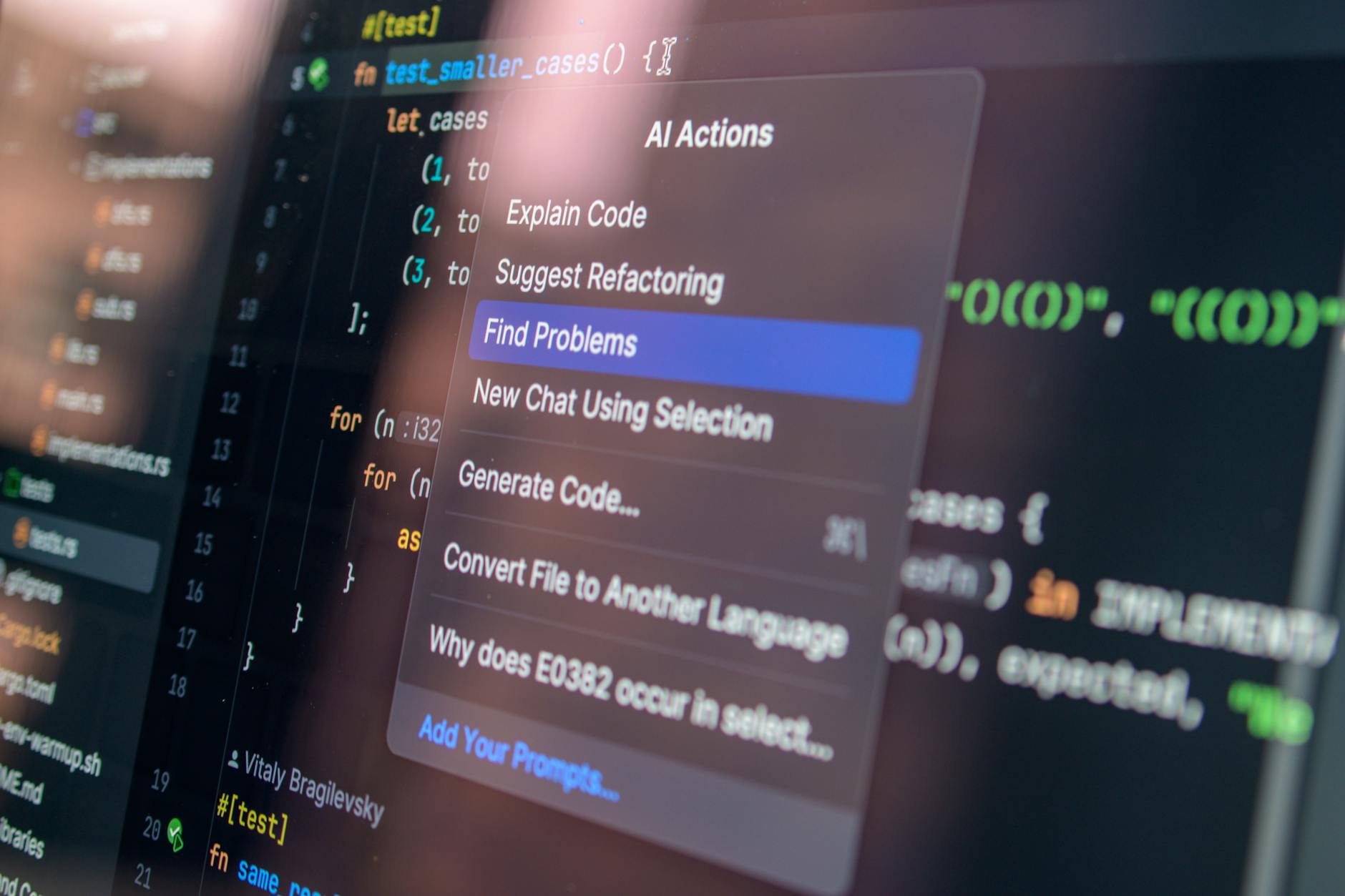
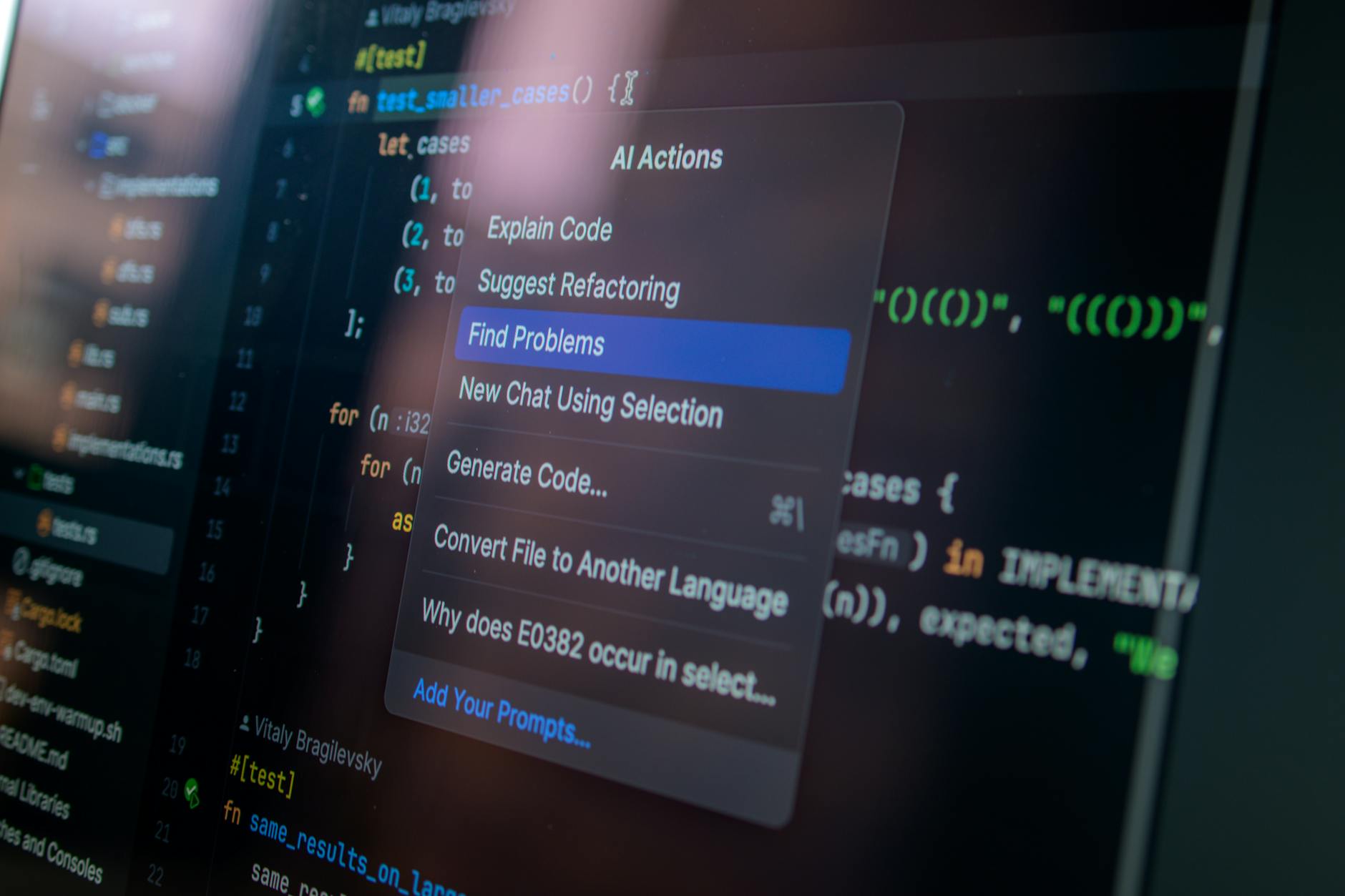
Cursor is an AI-first IDE that understands your entire codebase:
| Phase | Tool | Free Tier |
|---|---|---|
| Planning | ChatGPT | Yes |
| UI generation | v0.dev | Yes (limited) |
| Coding | Cursor | Yes (hobby) |
| Code completion | GitHub Copilot | Students free |
| Auth + DB | Supabase | Yes (generous) |
| Payments | Stripe | Free (% fee) |
| MisarMail / Resend | Yes | |
| Marketing | Assisters | Yes (10 credits) |
| Support | Freshdesk | Yes |
Partially. AI tools like v0.dev and Bubble dramatically reduce the coding needed. However, for production-quality SaaS with custom business logic, payments, and security, some coding knowledge (or a technical co-founder) is still needed. AI lowers the bar but doesn't eliminate it completely.
With free tiers: $0–$50/month during development. Once launched: Supabase ($25/mo), Vercel ($20/mo), Stripe (2.9% + $0.30/transaction), Assisters ($9/mo) = roughly $60–$100/month before you have revenue.
For a simple SaaS (1 core feature, auth, basic dashboard, payments): 4–8 weeks for a solo developer using AI tools. For more complex products: 3–6 months. AI accelerates primarily the coding and content phases.
The best AI-assisted SaaS ideas are: narrow tools for specific workflows (e.g., "AI email templates for real estate agents"), productivity tools with a clear workflow, API-based services, and tools that wrap existing AI capabilities for a specific audience.
For MVPs and landing pages: no-code (Webflow, Bubble) is often faster. For production SaaS with custom logic and scalability requirements: AI-assisted coding (Cursor + GitHub Copilot) is better long-term. Many founders start no-code and migrate to code as they scale.
AI has made building SaaS more accessible than ever. The tools exist to go from idea to revenue in weeks rather than months. The key is staying focused on a narrow MVP, validating before over-building, and using AI to execute faster — not to over-engineer.
Start your SaaS journey: Get free AI credits on Assisters → | Write about your build on Misar.Blog →
Related reads:
The future of customer service isn’t being built in call centers alone—it’s being embedded directly into the products and workflows your Saa…
The AI Assistant Creator Economy Explained

By 2026, AI chatbots won’t just be tools—they’ll be revenue streams. If you’re a creator, coach, consultant, or small business owner, an AI…



Comments
Sign in to join the conversation
No comments yet. Be the first to share your thoughts!