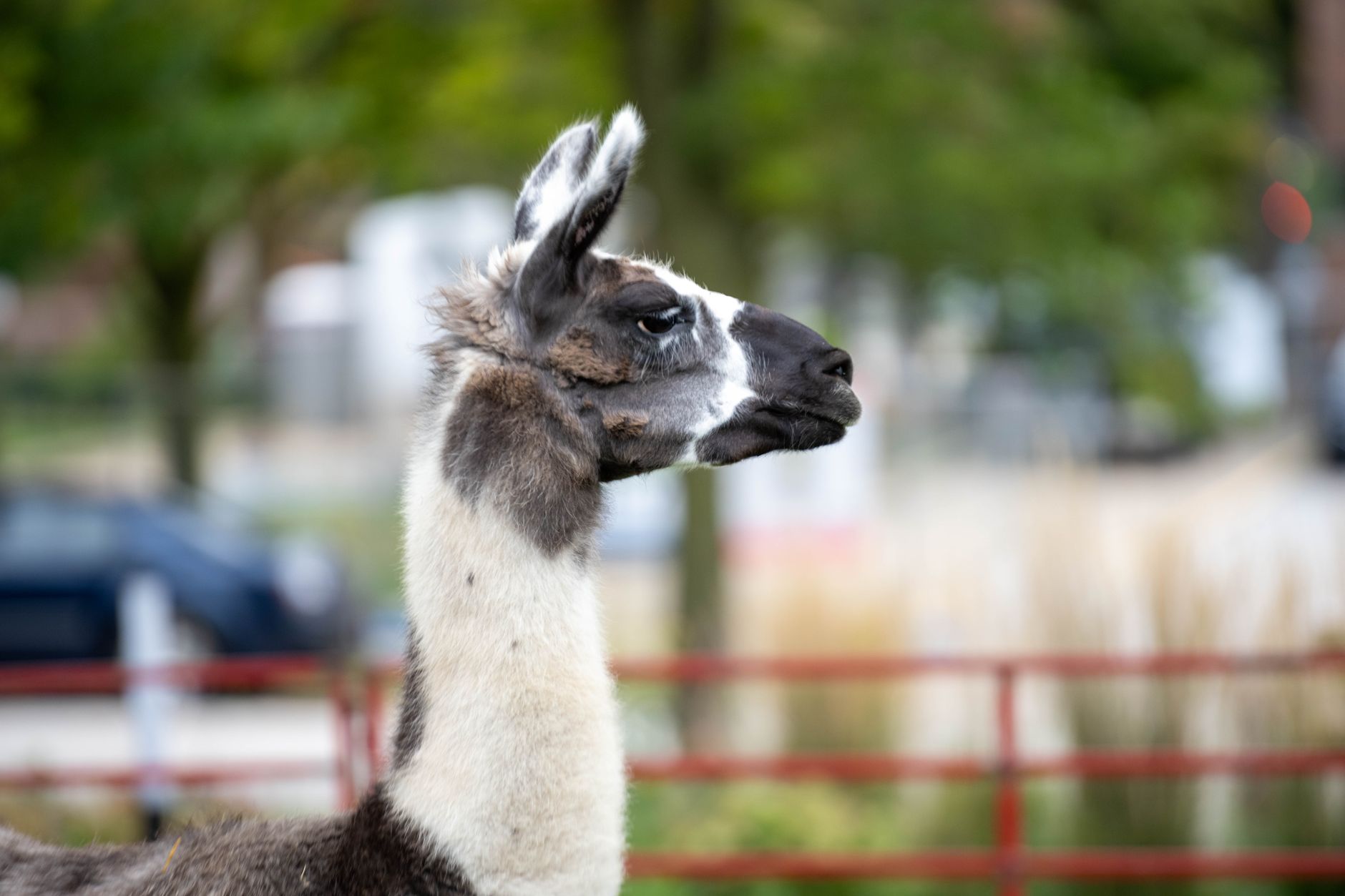
Open-source AI in 2026 offers production-ready models (Llama 4, Mistral, DeepSeek, Qwen) and mature tooling (Ollama, LM Studio, vLLM, OpenWebUI) — enabling cost-effective, private, self-hosted AI.
| Model | Strengths | Best For |
|---|---|---|
| Llama 4 (Meta) | General purpose, strong coding | Most use cases |
| Mistral Large 2 | European, strong reasoning | EU data residency |
| DeepSeek V3 | Math, coding, reasoning | Technical work |
| Qwen2.5 (Alibaba) | Multilingual, long context | Asian languages |
| Gemma 3 (Google) | Safety-tuned, efficient | Embedded use |
| Phi-4 (Microsoft) | Small but capable | Edge deployment |
All are available with permissive or near-permissive licenses — read each license carefully for commercial use.
Run ollama pull llama4 then ollama run llama4 in your terminal. Handles download, quantization, and inference. Works on macOS, Linux, Windows. Perfect for experimentation and small-scale local use.
Desktop app for macOS/Windows/Linux. Download models from Hugging Face via UI. Run chat completions, OpenAI-compatible API. Great for non-developers.
The engine underlying Ollama and LM Studio. CPU-friendly (via quantization), supports Apple Metal and NVIDIA CUDA. Best for custom integrations.
Apple's ML framework optimized for M-series chips. Delivers remarkable local inference on MacBooks (M3 Pro+, M4).
For serious deployment, vLLM is the go-to: used by Databricks, Anyscale, Together, Fireworks.
OpenWebUI is the leading self-hosted ChatGPT-like interface. Features:
Alternatives: AnythingLLM, LibreChat, Jan, Chatbox.
Common open-source RAG architecture:
| Layer | Option |
|---|---|
| Embeddings | BGE, Jina, E5, Nomic |
| Vector DB | Qdrant, Weaviate, Milvus, pgvector |
| Framework | LangChain, LlamaIndex, Haystack |
| LLM | Llama 4, Mistral, Qwen |
| UI | OpenWebUI, custom Next.js |
Open-source enables full fine-tuning:
For many teams, QLoRA on A100/H100 is sufficient to specialize a 7-70B model.
Approximate VRAM needs for inference (GGUF Q4 quantization):
| Model Size | VRAM | Runnable On |
|---|---|---|
| 7B | ~5-8 GB | Any modern GPU, Apple Silicon |
| 13B | ~10-12 GB | RTX 3080/4070+, M2 Pro+ |
| 34B | ~20-24 GB | RTX 3090/4090, M3 Max |
| 70B | ~40-50 GB | A100 (40GB), dual GPUs |
| 400B+ | ~200+ GB | Multi-GPU server |
Higher precision (FP16, BF16) roughly doubles memory.
Self-hosted open-source AI offers:
Drawbacks: You operate the infrastructure, manage security, upgrade models.
Self-hosting makes sense when:
Stick with managed APIs (OpenAI, Anthropic, Google) when:
Open-source AI in 2026 is production-ready. For privacy-sensitive, high-volume, or highly customized workloads, self-hosted Llama 4 or Mistral with vLLM delivers excellent results at a fraction of managed API cost.
For builders: Start with Ollama for local prototyping. Move to vLLM on rented GPUs for pilot traffic. Consider managed services (Together, Fireworks, Anyscale) to skip MLOps if your team is small.
The AI Assistant Creator Economy Explained

By 2026, AI chatbots won’t just be tools—they’ll be revenue streams. If you’re a creator, coach, consultant, or small business owner, an AI…
The future of customer service isn’t being built in call centers alone—it’s being embedded directly into the products and workflows your Saa…




Comments
Sign in to join the conversation
No comments yet. Be the first to share your thoughts!