

The AI Assistant That Actually Saved Me Money


The AI Assistant That Actually Saved Me Money
For two years I paid for a tool I used twice. This is the embarrassing math, and the AI habit that finally fixed it.
Most of the AI conversation is about spending. New subscriptions, new tools, new monthly costs stacking up until you're paying for a dozen things you half-use. I was that person. My card statement looked like a graveyard of good intentions.
Then I flipped it. I started using an AI assistant not to do more, but to spend less — to audit my own waste, cancel the dead weight, and replace expensive things I was overpaying for. It saved me real money. Here's exactly how.
Quick Answer
An AI assistant saves you money in three ways most people overlook: it audits your subscriptions and recurring charges to find the dead ones, it does work you were paying others to do, and it helps you make better spending decisions by laying out tradeoffs clearly. The biggest savings aren't from a magic tool — they're from AI helping you see the waste you'd stopped noticing. Point it at your own spending first.
The subscription graveyard
Let's start with the most common money leak, because it's almost universal: subscriptions you forgot you had.
I sat down with a list of every recurring charge on my statements and went through them with an AI assistant, one by one. For each, I answered honestly: when did I last use this? What does it actually do for me? Is there something I already pay for that overlaps?
The AI didn't have access to my accounts — I fed it the list. But having it ask the structured questions, point out overlaps, and push back on my excuses ("I might use it someday") was the difference between a vague intention to "cancel some stuff" and actually doing it.
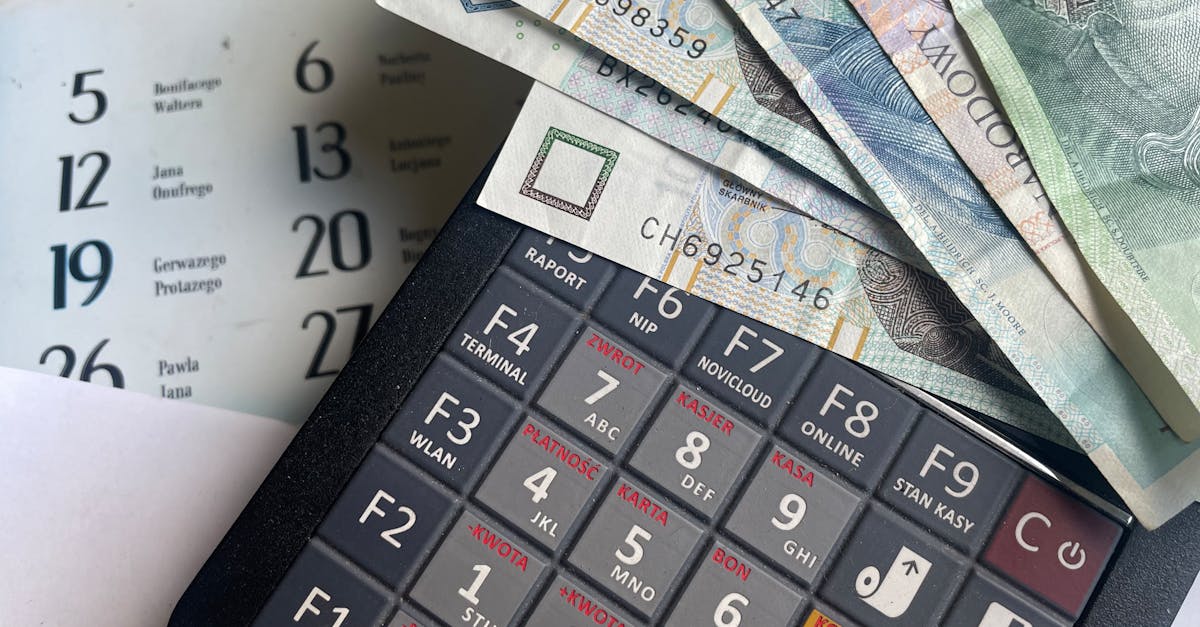 Photo by Niepoddawajsie.pl Luk on Pexels
I cut several subscriptions in one sitting. The tool I'd used twice in two years. Two services that did the same thing. A "premium" tier I'd never needed. The monthly savings were small individually and substantial together — the kind of slow leak that drains hundreds a year while you're not looking. Consumer guides like Investopedia have written for years about how forgotten recurring charges quietly compound against you; an AI skeptic is just a fast way to force the audit you keep avoiding.
The most expensive subscriptions aren't the priciest ones. They're the cheap ones you forgot you're paying for, every month, forever.
Replacing work I was overpaying for
The second source of savings was bigger and less obvious. I was paying for several services that an AI assistant could largely handle.
Not everything — I'm not claiming AI replaces every professional. But a surprising amount of routine work I'd outsourced was stuff AI does well enough that paying a premium for it stopped making sense.
- Routine writing and drafting I'd been paying per-piece for, I now draft with AI and polish myself.
- Basic research and summarizing that I'd outsourced, the assistant does in minutes.
- Formatting and repurposing — turning one thing into many — went from a paid service to a free automation.
The rule I used: if the work is routine and the quality bar is "competent, not exceptional," AI probably covers it, and I should stop paying premium rates. If the work needs real expertise or carries real risk, I keep paying the human. Knowing the difference is where the savings live. That sorting — routine to the machine, judgment to the human — is the same line I draw throughout the honest truth about AI productivity tools, and it's exactly how I think about the AI stack behind my own side income.
Better decisions, less waste
The third way AI saved me money is the subtlest: it made me a better decision-maker about spending.
Before any non-trivial purchase now, I think it through with an AI assistant. Not to be told what to do — to have the tradeoffs laid out clearly so I'm not buying on impulse or hype.
I'll describe what I'm considering and ask it to argue both sides: why this is worth it, why it might be a waste, what cheaper alternatives exist, what I'm probably not thinking about. Having the case against the purchase spelled out kills a lot of dumb buys before they happen.
 Photo by RDNE Stock project on Pexels
It's like having a slightly skeptical friend on call before every purchase. Half the time, spelling out the case out loud is enough to realize I don't actually need the thing. The savings from not buying are invisible but real.
The honest accounting
Let me show you the actual shape of it, because "AI saved me money" deserves real numbers, even illustrative ones.
| Source | Roughly what it saved |
|---|---|
| Cancelled dead subscriptions | A few small monthly charges, hundreds a year |
| Replacing routine outsourced work | The biggest line — premium rates I no longer pay |
| Avoiding impulse purchases | Hard to measure, probably the largest of all |
| Cost of the AI assistant itself | One modest monthly subscription |
The assistant costs me one subscription. It's saved me many multiples of that. It's one of the few tools on my statement that clearly earns its place — because instead of adding to the pile of costs, it actively shrinks the pile.
That's the reframe. Most AI tools are a cost you hope pays off. Used this way, an AI assistant is the one that pays for itself by hunting down everything else that doesn't.
What I'd tell you to do first
If you want to try this, here's the order that worked for me.
- Audit your subscriptions today. List every recurring charge. Go through each with an AI assistant playing skeptic. Cancel anything you can't justify out loud. This is the fastest win.
- Find one paid service AI can replace. Look for routine, "competent is fine" work you're paying premium rates for. Test whether AI covers it before you renew.
- Add a buying checkpoint. Before any non-trivial purchase, talk it through with AI and make it argue against you. You'll kill a lot of waste before it happens.
- Recount in a month. Add up what you cut. Seeing the real number is what makes the habit stick.
The mindset shift that actually mattered
The tactics above saved me real money, but the thing that made it stick was a change in how I think about every tool I pay for. I used to treat subscriptions as small, harmless conveniences. Now I treat each one as a tiny standing claim on my future income, renewing forever until I actively stop it.
That reframe is uncomfortable on purpose. A few dollars a month sounds like nothing. A few dollars a month forever is a different number — and most of us are carrying a dozen of those, quietly, for things we touched once. The default direction of money is out, on autopilot, unless someone with a skeptical eye intervenes. Using an AI assistant as that skeptic is just a way to outsource the discipline I didn't naturally have.
The other half of the shift was learning to separate "premium for routine work" from "premium for real expertise." I'd been paying expert rates for competent-is-fine tasks out of pure habit. Once I started asking, before each renewal, "is this work routine enough that AI covers it?" — a surprising amount of it was. Not the high-stakes, real-judgment work; that stays human. But the routine middle, where I'd been overpaying out of inertia, shrank a lot.
What I like about this is that none of it is dramatic. There's no big windfall. It's a hundred small leaks closed and a habit of asking better questions before money goes out. But small and permanent compounds, the same way the wasted subscriptions did — just in the right direction this time.
This week, try reading your own recurring charges line by line with a skeptical AI at your side before you point any tool at your actual work — the savings hiding there are usually bigger than the productivity you were chasing.
The bottom line
I spent years adding tools and costs without ever pointing that same energy at the waste piling up underneath. One AI assistant, used as a skeptic instead of a helper, finally turned the lens around.
The best money move AI offers isn't a tool that does more. It's a tool that helps you stop paying for everything you don't need.
Point the AI at your own statement before you point it at your work. The savings hiding there are bigger than the productivity you're chasing.
When did you last read your own recurring charges, line by line? Do it this week. Bring a skeptic. You'll probably find a tool you've paid for twice in two years, too.
Key Takeaways
- Audit every recurring charge with an AI assistant by listing subscriptions and answering: last use date, actual value, and overlaps. Cancel anything you can’t justify out loud—small leaks compound to hundreds yearly.
- Replace paid services for routine, 'competent-is-fine' work (e.g., drafting, research, formatting) with AI. Reserve premium rates only for high-stakes or expert-level tasks to stop overpaying out of habit.
- Before non-trivial purchases, force the AI to argue against the buy. Spelling out tradeoffs aloud kills impulse spending—savings from avoided regrets often exceed subscription cuts.
- Treat subscriptions as permanent claims on future income, not harmless conveniences. An AI’s skeptical questioning outsources the discipline to break autopilot spending.
- Start with subscriptions, then routine outsourced work, then buying checkpoints. Recount savings after a month—visible numbers make the habit stick.
- The AI assistant itself costs one subscription but pays for itself by eliminating many others. Use it as a net-negative tool, not another cost to justify.
Frequently Asked Questions
Doesn't an AI assistant just add another subscription?
It does — one. The point is that this one finds and eliminates far more than it costs. If you use it to audit your spending, it pays for itself many times over. It's the rare tool that's a net negative on your bill.
Can AI really replace paid services?
For routine, competent-is-enough work, often yes. For expert or high-risk work, no — keep paying the human. The savings come from correctly sorting which is which and stopping the overpayment on the routine stuff.
Is it safe to discuss my finances with AI?
Don't paste sensitive account numbers or credentials. You can do all of this with general descriptions — "a streaming service," "a writing tool" — without sharing anything private. The structure of the conversation is what helps, not the secrets.
What's the single biggest saving?
For most people it's the subscriptions they forgot about, because that money leaks forever until someone stops it. But avoiding impulse buys you'd have regretted might quietly beat it. Both come from AI helping you see spending you'd stopped noticing.




Comments
Sign in to join the conversation
No comments yet. Be the first to share your thoughts!