

Why Doing the Hard Thing First Works

Why Doing the Hard Thing First Works
I used to warm up to my day like it was a cold pool. Reply to a few easy emails. Tidy my desktop. Reorganize a folder I'd reorganized last week. Just getting going, I told myself.
What I was actually doing was burning my sharpest hours on the cheapest tasks, then meeting the hard thing at 4 p.m. with a fried brain and a head full of dread that had been compounding all day.
Then I flipped it. Hardest thing first, before anything else. It felt awful for about a week. Then it changed everything.
Quick Answer
Do your single hardest, most important task first — before email, before easy wins, before you "feel ready." You have the most willpower and focus in your first work block, dread shrinks the moment you start, and finishing the hard thing early makes the rest of the day feel like coasting. Waiting until you're motivated is a trap; motivation usually shows up after you begin, not before.
Your willpower has a battery, and it drains all day
There's a simple, uncomfortable truth behind this: decision-making and focus are finite. You wake up with a full tank and spend it on everything — what to wear, what to reply, whether to check your phone, which task to start.
By afternoon, the tank is low. That's exactly when most people finally turn to their hardest work, and then wonder why it feels impossible and the quality is poor.
Front-loading the hard thing spends your best fuel on the work that deserves it. The small stuff — email, admin, errands — runs fine on fumes. You're matching your energy to the job instead of doing it backwards. It's a cornerstone of the working system I pieced together after burning out, and writers like Cal Newport have spent years making the case that protecting your deepest focus for your most demanding work is where real output comes from.
Easy tasks survive a tired brain. Hard tasks don't. So feed the hard one first.
 Photo by Pew Nguyen on Pexels
Dread is a tax you pay all day for something you do in an hour
Here's the part nobody warns you about. The hard task doesn't just cost the hour it takes. It taxes every hour before it.
When you know there's a difficult call, a scary draft, or an awkward conversation waiting, it sits in the back of your mind all day. You're never fully present in the easy tasks because the hard one is humming underneath. You check your phone more. You snack more. You're "working" but you're carrying a low-grade weight.
Do the hard thing first and you stop paying that tax. The dread evaporates the second you start — because dread is almost always worse than the task. Then the rest of the day is genuinely lighter, not just emptier.
I started measuring this for myself. The thing I'd dreaded for six hours usually took forty minutes. Six hours of background anxiety for forty minutes of actual discomfort. That math is insane, and I'd been paying it for years.
Motivation is a liar — action comes first
The biggest myth in productivity is that you act because you feel motivated. The truth runs the other way: you feel motivated because you act.
Waiting to "feel ready" is how the hard thing stays undone forever. Ready never arrives on schedule. But the moment you write one sentence, make one call, open the file — momentum kicks in and the feeling you were waiting for finally shows up.
This is why "first thing" matters so much. You're at your least negotiable in the morning. The longer you wait, the more time your brain has to build a convincing case for "later." Cut the negotiation off before it starts — which is also why I now start each day with one clarifying question before the inbox gets a vote.
The trick I use: make the first step laughably small. Not "write the report." Just "open the document and type the title." Once I'm in, I keep going. The hard part was never the work. It was the starting.
How to actually pull this off
A method I can stick to, stripped to the essentials:
- Choose the hard thing the night before. Decide while you're calm, so morning-you can't argue. One task. The one you'd most like to avoid.
- Protect the first 60–90 minutes. No email, no messages, no feeds. Those are inputs that hand your attention to other people's priorities.
- Shrink the start. Define a first action so small it's almost silly. The goal is to defeat the blank-page freeze, not to finish.
- Single-task it. Phone in another room, one tab, one job. Focus is a muscle, and switching tasks is how you tear it.
- Stop when it's done, then breathe. Don't roll straight into busywork on a high. Take the win consciously — it's what trains the habit.
Here's the before-and-after for me, laid plainly:
| Old way (easy first) | New way (hard first) | |
|---|---|---|
| Best hours spent on | email, admin | the work that matters |
| Dread level | high, all day | gone by 10 a.m. |
| Quality of hard work | rushed, tired | sharp, fresh |
| End-of-day feeling | busy but behind | done and light |
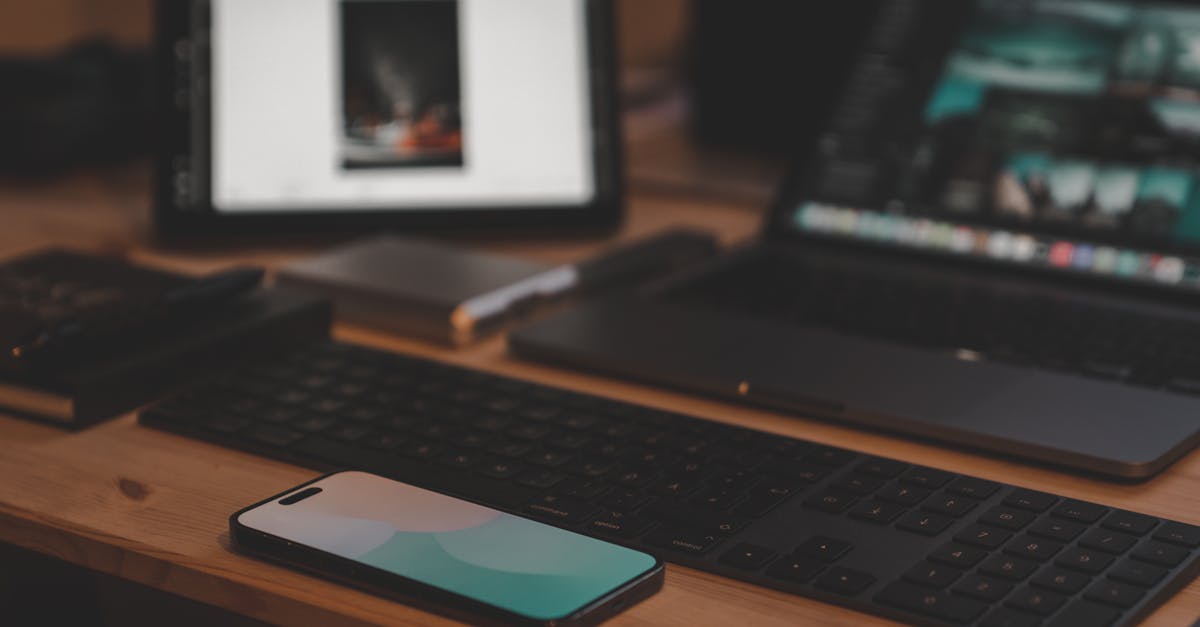 Photo by Rickie-Tom Schünemann on Pexels
The day this saved a project I almost killed
I had a proposal I'd been avoiding for two weeks. Every day I planned to "get to it after I cleared my plate," and every day my plate magically refilled. Classic avoidance dressed up as diligence.
The deadline got close enough to scare me. So one morning I broke my own pattern: laptop open, phone in the kitchen, one rule — write the first section before I'm allowed coffee.
It was done before lunch. Not perfect, but done, and far better than the panicked version I'd have produced at midnight. The relief was almost embarrassing. Two weeks of dread, dissolved in a single focused morning.
The project landed. And the lesson stuck harder than any productivity book: the discipline I thought I lacked wasn't about grinding harder. It was just about order.
How to know which thing is actually the "hard thing"
There's a trap hidden in this advice, and I fell into it for a while. "Hard" is easy to confuse with "annoying," and they are not the same. I spent a couple of weeks dutifully doing the most unpleasant thing first — and it didn't help, because unpleasant isn't the same as important.
Cleaning out an overflowing inbox is unpleasant. It's also low-value. Doing it first just means you spent your sharpest hour on tidying. The hard thing in the sense that matters is the task that's both difficult and consequential — the one that moves your life, project, or income forward, the one you avoid precisely because it matters and might not go well.
Here's the test I use now. I ask two questions about my candidate task: Does avoiding this cost me something real over time? And does it scare me a little? If both answers are yes, that's the hard thing. The fear is actually a useful signal — we mostly dread the tasks where the stakes are real and the outcome is uncertain. We don't dread folding laundry. We dread the proposal, the difficult message, the work where we might fail in front of someone.
A few examples of the distinction, because it took me a while to feel it:
- Annoying, not hard: clearing notifications, formatting a document, booking a routine appointment. Low stakes, just tedious. Batch these for your low-energy hours.
- Hard and worth doing first: the strategic work, the scary conversation, the creative thing with a blank page, the decision you've been postponing. High stakes, real avoidance.
When you front-load the genuinely hard thing — not just the irritating thing — the whole approach pays off. Doing busywork first and calling it "hard" is just procrastination wearing a productivity costume. I should know. I wore that costume for years and wondered why I never felt like I was getting anywhere.
If you want to build this into a routine that survives bad weeks, try doing the hard thing first for a fortnight and notice how much lighter the afternoons get.
The bottom line
Eat the frog, do the hard thing, however you want to phrase it — it survives as advice because it's true at the level of how your brain actually works. Best energy, first. Dread, killed early. Momentum, on your side.
You don't conquer the hard thing by waiting until it feels easy. You make the rest of your day easy by conquering the hard thing first.
What's the one task you've been "getting to later" — and what would happen if you did it before coffee tomorrow?
Key Takeaways
- Do your single hardest, most important task first—before email, admin, or 'warming up'—to spend your peak willpower and focus on what truly moves the needle.
- Dread compounds all day; tackling the hard task early eliminates hours of background anxiety for a 40–90 minute effort, making the rest of the day feel lighter and more productive.
- Motivation follows action, not the other way around—start with a laughably small step (e.g., open the doc and type the title) to bypass resistance and build momentum.
- Protect the first 60–90 minutes of your day for deep work: no messages, no feeds, just the one high-stakes task you pre-selected the night before to avoid morning negotiation.
- Distinguish between 'hard' (high-stakes, scary, consequential) and 'annoying' (low-value, tedious) tasks—front-load the former to avoid mistaking busywork for real progress.
- Single-task the hard thing with zero distractions (phone in another room, one tab open) to preserve focus, and stop when it’s done to consciously reinforce the habit.
Frequently Asked Questions
What if my hardest task takes all day, not one block?
Then doing it first matters even more. You won't finish, but you'll make real progress with your best energy, and a giant task started is psychologically lighter than a giant task untouched.
I'm not a morning person. Does this still apply?
Yes — "first" means first in your work day, whenever that starts. The principle is fresh energy before drained energy, not a specific clock time.
Isn't checking email first just being responsive?
It feels responsive. Mostly it's reactive. Email is a list of other people's priorities; opening it first hands them your sharpest hour. Most messages can wait ninety minutes, and almost nobody notices.
What if the hard thing depends on someone else?
Then the hard thing is often the message that unblocks it — the ask, the nudge, the follow-up you've been avoiding. Send that first.




Comments
Sign in to join the conversation
No comments yet. Be the first to share your thoughts!