

Email Marketing for E-commerce: A Complete 2026 Playbook

Email Marketing for E-commerce: A Complete 2026 Playbook
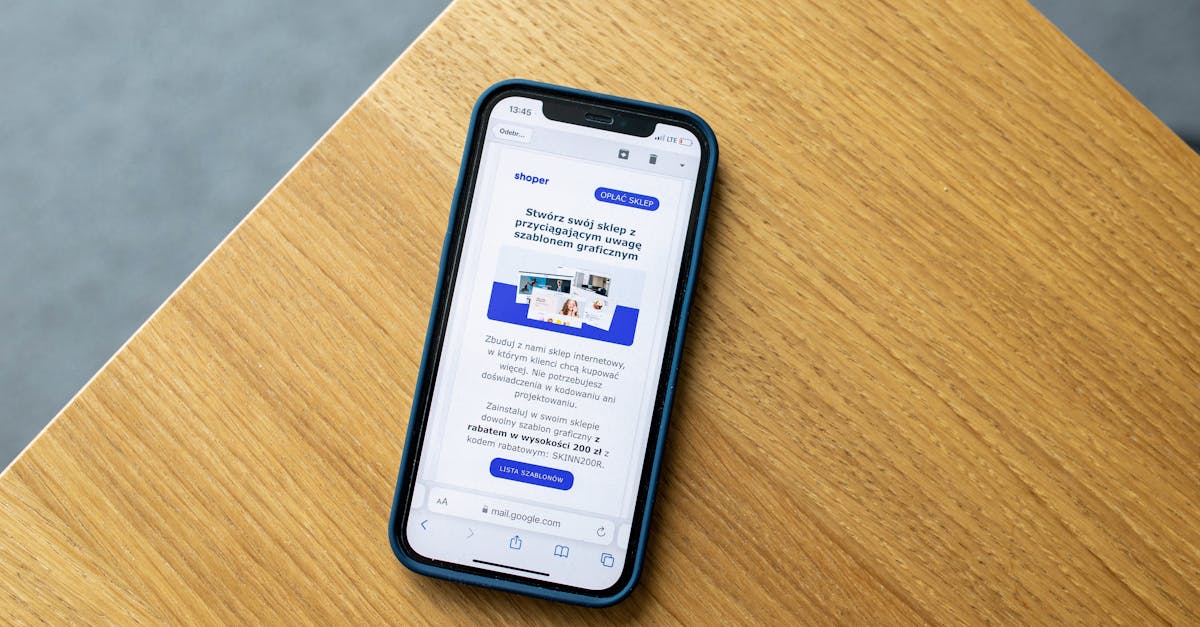
Photo by Shoper .pl on Pexels
Quick Answer: E-commerce email marketing in 2026 combines automated lifecycle flows — welcome, abandoned cart, post-purchase, and win-back — with segmented broadcast campaigns and disciplined list hygiene. Done well, email consistently drives a large share of store revenue at low cost, because it reaches owned audiences who already know your brand.
On This Page
- Why Email Still Wins for E-commerce
- The Core Automated Flows
- Segmentation That Drives Revenue
- Broadcast Campaigns and Promotions
- Metrics That Actually Matter
- List Growth and Hygiene
- A 90-Day Implementation Plan
Why Email Still Wins for E-commerce
Every other channel rents you attention. Social platforms change their algorithms, ad costs rise, and marketplaces own the customer relationship. Email is different: the list is yours, the cost per send is minimal, and the audience already chose to hear from you. That combination is why email consistently returns more per dollar than almost any other e-commerce channel and why mature stores treat it as core infrastructure rather than an afterthought.
The advantage compounds over time. Every new customer and subscriber grows an asset you fully control, one you can segment, automate, and re-engage indefinitely. A paid ad reaches a stranger once; a well-run email program reaches a known buyer again and again at near-zero marginal cost. In 2026, with acquisition costs high and third-party data shrinking, owned email is more valuable, not less.
The rest of this playbook is the how: the flows that run automatically, the segments that lift revenue, the campaigns that fill the gaps, and the metrics that keep it all honest. All of it runs on a capable email marketing platform, and a free email marketing platform keeps your costs down while your program scales.
The Core Automated Flows
Automated flows are the engine of e-commerce email. They trigger on customer behavior, run without manual effort, and typically generate the majority of email revenue despite being a fraction of total sends. Build these before you worry about weekly campaigns.
| Flow | Trigger | Goal |
|---|---|---|
| Welcome series | New subscriber | Introduce brand, drive first purchase |
| Abandoned cart | Cart created, no checkout | Recover the lost sale |
| Abandoned browse | Product viewed, no cart | Nudge undecided shoppers |
| Post-purchase | Order placed | Confirm, cross-sell, build loyalty |
| Win-back | No purchase in X days | Re-engage lapsed customers |
| Replenishment | Consumable nearing reorder | Prompt timely repurchase |
The welcome series sets expectations and often includes a first-order incentive. The abandoned-cart flow is usually the single highest-revenue automation — a sequence of two or three timely reminders recovers sales that would otherwise vanish. Post-purchase flows turn one-time buyers into repeat customers by confirming the order, sharing useful information, and suggesting complementary products. Win-back and replenishment flows keep the relationship alive long after the first sale. Set these up once through email automation and they work continuously.
Segmentation That Drives Revenue
Sending the same email to your entire list wastes your best asset. Segmentation groups subscribers by behavior and attributes so each message fits the recipient, which lifts engagement and protects deliverability.
The most valuable segments for e-commerce are built on purchase behavior and engagement rather than demographics. A first-time buyer needs a different message than a loyal repeat customer; someone who opens every email should hear from you more than someone who has gone quiet.
| Segment | Basis | How to treat them |
|---|---|---|
| VIPs / repeat buyers | High order count or value | Early access, loyalty perks |
| First-time buyers | One purchase | Nurture toward a second order |
| Engaged non-buyers | Opens, no purchase | Targeted offers, social proof |
| At-risk / lapsing | No recent opens or orders | Win-back, reduced frequency |
| Category interest | Products viewed or bought | Relevant recommendations |
Segmentation also protects your sender reputation. By easing frequency for disengaged subscribers and concentrating on active ones, you keep engagement rates high, which keeps your mail in the inbox. A good email marketing platform lets you build these segments dynamically so subscribers move between them automatically as their behavior changes.
Photo by Shoper .pl on Pexels
Broadcast Campaigns and Promotions
Flows handle the always-on revenue; broadcasts handle the timely and the new. These are the one-to-many emails you send around launches, sales, seasonal moments, and content — the campaigns that keep your brand present between automated touchpoints.
The discipline here is relevance over blast. A promotion sent to a segment likely to care outperforms the same promotion sent to everyone, and it costs you far fewer unsubscribes. Plan a lightweight calendar around your real business moments — new arrivals, seasonal peaks, restocks, and genuine sales — rather than manufacturing urgency your audience sees through. Pair each broadcast with the right segment, and use the plain, benefit-led subject lines that survive spam filters and earn opens.
Avoid the trap of constant discounting. Training your list to expect a sale every week erodes margin and conditions customers to wait. Mix promotional emails with genuinely useful content — buying guides, product education, customer stories — so your brand is worth opening even when there is nothing on sale.
Metrics That Actually Matter
Opens and clicks are easy to track but easy to over-value. For e-commerce, the metrics that matter tie email to money and to long-term list health.
| Metric | What it tells you | Watch for |
|---|---|---|
| Revenue per recipient | Value each send generates | Trend over time |
| Conversion rate | Share of recipients who buy | Flow vs broadcast gap |
| Click-to-open rate | Content and offer relevance | Sudden drops |
| Unsubscribe rate | Frequency or relevance issues | Spikes after sends |
| Spam-complaint rate | Reputation risk | Keep well below platform limit |
| List growth rate | Net acquisition vs churn | Flat or negative growth |
Revenue per recipient is the north-star number because it captures whether a send was worth doing. Conversion rate reveals which flows and campaigns actually drive purchases. The reputation metrics — unsubscribes and complaints — are your guardrails; ignore them and even high-revenue sends can quietly damage deliverability for the whole program. Review these in your email marketing platform regularly and let them guide what you scale and what you cut.
List Growth and Hygiene
A revenue engine needs fuel, and fuel means a steadily growing, healthy list. Capture emails at every sensible touchpoint — signup incentives on-site, checkout opt-ins, and post-purchase requests — while always respecting consent. Never buy or scrape lists; bought contacts destroy deliverability and violate the consent your program depends on.
Hygiene keeps the engine efficient. Regularly remove hard bounces, suppress addresses that have not engaged in a long time, and honor unsubscribes instantly. A smaller list of engaged buyers outperforms a bloated one full of dead addresses, both in revenue and in inbox placement. Sunset flows — a final re-engagement attempt before you stop mailing an inactive subscriber — let you clean the list without abruptly discarding people who might still return.
Growth and hygiene work together. Acquiring new subscribers while quietly retiring dead ones keeps your engagement rates high, which keeps mailbox providers trusting you, which keeps your best campaigns landing in the inbox where they can convert.
A 90-Day Implementation Plan
You do not build all of this at once. A phased rollout gets the highest-revenue pieces live first and layers on refinement as you go.
| Phase | Weeks | Focus |
|---|---|---|
| Foundation | 1–3 | Platform setup, domain authentication, signup forms |
| Core flows | 4–6 | Welcome, abandoned cart, post-purchase automations |
| Segmentation | 7–9 | Build behavior-based segments, first targeted broadcasts |
| Optimization | 10–13 | Win-back and replenishment flows, metric review, testing |
Start with authentication and the signup form so you are capturing subscribers and reaching inboxes from day one. Build the abandoned-cart and welcome flows next, since they recover the most revenue for the least effort. Layer in segmentation and additional flows once the basics are proven. By the end of the quarter you have a complete program: automated flows generating revenue around the clock, targeted campaigns filling the calendar, and clean data keeping it all deliverable. From there, it is a matter of continuous refinement — testing subject lines, tightening segments, and letting your metrics point to the next improvement.
Key Takeaways
- Prioritize building automated lifecycle flows (welcome, abandoned cart, post-purchase, and win-back) that generate the majority of email revenue with minimal effort.
- Segment your list based on purchase behavior and engagement to lift engagement and protect deliverability, and use a segmentation basis such as VIPs/repeat buyers, first-time buyers, engaged non-buyers, and at-risk/lapsing subscribers.
- Discipline yourself to send relevant, timely promotions to the right segments, rather than blasting your entire list, and mix promotional emails with genuinely useful content to avoid training your list to expect constant discounts.
- Monitor revenue per recipient, conversion rate, and reputation metrics (unsubscribe rate and spam-complaint rate) to guide what you scale and what you cut in your email marketing program.
- Focus on list growth and hygiene by capturing emails at every touchpoint, respecting consent, removing hard bounces, and honoring unsubscribes, and aim for a smaller list of engaged buyers that outperforms a bloated list full of dead addresses.
- Implement a 90-day plan that starts with platform setup, domain authentication, and core flows, and layers on segmentation, optimization, and refinement to build a complete email marketing program.
Frequently Asked Questions
Which email flow should an e-commerce store build first?
The abandoned-cart flow, because it recovers sales you have already nearly made and typically returns the most revenue for the least setup. Build the welcome series alongside it to convert new subscribers into first-time buyers. Together these two flows capture most of the early revenue an automated program produces.
How much of e-commerce revenue can email realistically drive?
It varies by store, but a well-run program commonly drives a substantial double-digit percentage of total revenue, with automated flows contributing a large share of that despite being a small fraction of sends. The exact figure depends on your list size, margins, and how disciplined your segmentation and hygiene are.
Do I need an expensive platform to do e-commerce email marketing well?
No. The flows, segmentation, and analytics that drive results are available on a free email marketing platform such as MisarMail. What matters is deliverability, automation, and clean data — not price. Keeping platform costs low simply improves the return on the revenue email generates.
How often should an e-commerce store email its list?
Most stores land between two and five broadcast emails per week, layered on top of behavior-triggered flows, but the right number depends on your content and engagement. Watch unsubscribe and complaint rates as guardrails, ease frequency for disengaged subscribers, and let a preference center give customers a say.
Is it worth cleaning my list if it shrinks my subscriber count?
Yes. A smaller list of engaged buyers outperforms a large list full of dead addresses in both revenue and deliverability. Removing bounces and long-inactive contacts raises your engagement rates, which improves inbox placement so your campaigns actually reach the people who buy.







Comments
Sign in to join the conversation
No comments yet. Be the first to share your thoughts!