

How I Beat Procrastination Without Discipline


How I Beat Procrastination Without Discipline
I am not a disciplined person. I want to be. I've read the books, bought the journals, downloaded the apps with the angry red streaks. None of it stuck, because all of it asked the same impossible thing of me: be a different person, by force, every single day.
So I gave up. Not on the work — on the willpower. I decided to stop trying to out-discipline my own procrastination and instead make procrastination physically harder to reach than the work. I changed the environment instead of changing myself.
It worked better than a decade of trying to be tougher. Here's exactly what I did.
Quick Answer
I beat procrastination by editing my environment, not my character. The core moves: put friction in front of distractions (log out, delete apps, leave the phone in another room) and remove friction from the work (open the document the night before, lay out exactly the next action). When the easy path leads to the work, you don't need willpower. You just follow the easy path, like you always do.
Why willpower is the wrong tool
Discipline is a battery, and it drains. By the afternoon, after a hundred small decisions, mine is flat. Asking a drained battery to power your most important work is a plan that fails on a schedule.
The deeper problem: relying on willpower means you have to win the same fight over and over, fresh, every time temptation appears. Win it at 9 a.m., it's back at 9:15. You're not building anything. You're just bailing water.
Environment is different. You set it up once, when you're calm and clear, and then it works for you automatically when you're tired and weak. You're not fighting the urge in the moment. You arranged things earlier so the urge has nowhere convenient to go. The American Psychological Association has documented how willpower behaves like a depletable resource — which is exactly why leaning on it as your primary defense fails on a predictable schedule.
Discipline asks you to win every battle. Environment design means you only have to win once.
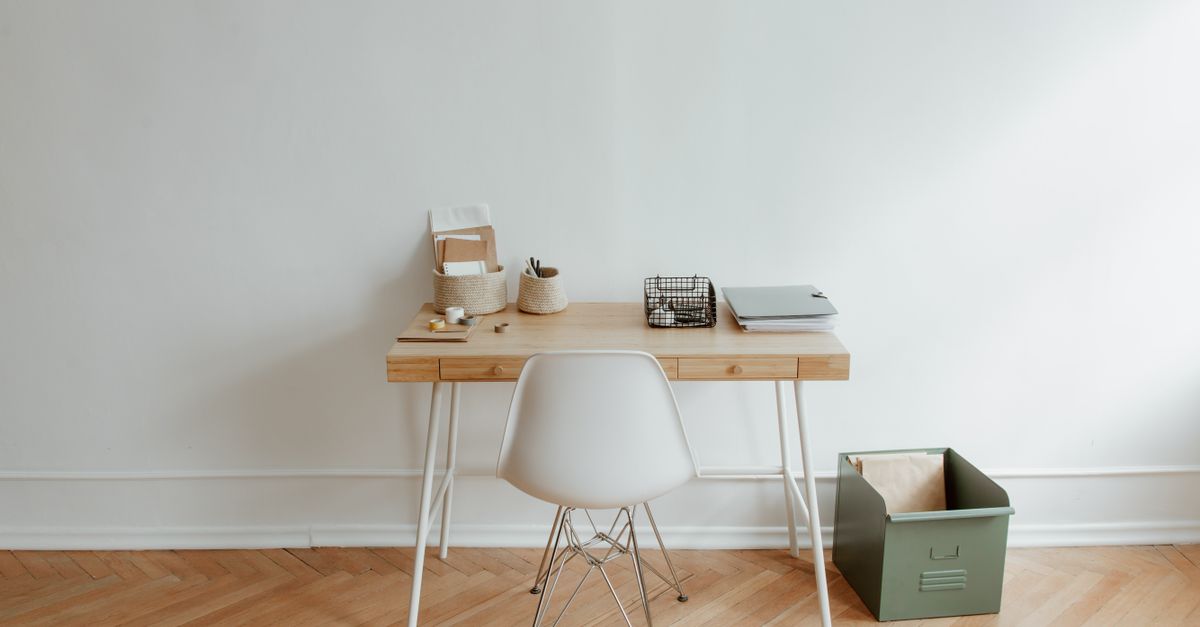 Photo by Ron Lach on Pexels
Add friction to the distractions
The first half is making the easy bad thing slightly harder. Not impossible — just annoying enough that your lazy brain doesn't bother.
Here's what I actually changed:
- Phone in another room. Not on silent on the desk. The distance is the point. Twenty feet of friction beats infinite willpower.
- Logged out of everything fun. Social apps, news, the usual suspects. Having to type a password is a speed bump, and a speed bump is often enough to break the autopilot reach.
- Deleted the worst apps from my phone entirely and used only the browser versions, which are clunkier on purpose.
- A separate browser profile for work with no bookmarks to anywhere distracting.
None of this requires steel nerves. It requires ten minutes of setup and then it just… holds. The trick is that procrastination is usually a reflex, not a decision. You reach for the phone before you've consciously chosen to. Friction interrupts the reflex long enough for the conscious part of you to catch up.
Remove friction from the work
The second half matters even more, and people skip it. They make distraction hard but leave the work itself behind a wall of small frictions, so the path of least resistance still leads away from it.
So I do the opposite. I make starting the work the easiest thing in the room.
- The night before, I open tomorrow's document and leave it open. Morning me doesn't have to find anything.
- I write the literal next physical action, not the project. Not "work on report." Instead: "type the first sentence of the intro." A first action so small it's almost silly to refuse.
- I lay out whatever I need — the file, the tab, the notes — so there's zero searching, which is where my mornings used to die.
The goal is a work setup so frictionless that starting requires less energy than not starting. When the report is already open and the first sentence is already cued up, beginning is the lazy option. And I am, reliably, lazy.
The two-minute on-ramp
Even with all that, some tasks feel too big to face. So I borrowed a trick: I only commit to two minutes.
I tell myself I'll work on the dreaded thing for exactly two minutes, and then I'm allowed to quit, guilt-free. Almost every time, I keep going — because starting was the hard part, and the two-minute rule tricks me past it. But the genius is that even on bad days, when I really do stop at two minutes, I've still moved. Two minutes a day on a stalled project is infinitely more than the zero I used to manage.
This pairs perfectly with the frictionless setup. Tiny commitment plus zero startup cost equals a door so low even a tired, undisciplined person walks through it. It's the same engine behind how I finally stopped procrastinating without relying on willpower at all, and it works hand in hand with the flexible focus method that beat my scattered brain when starting feels impossible.
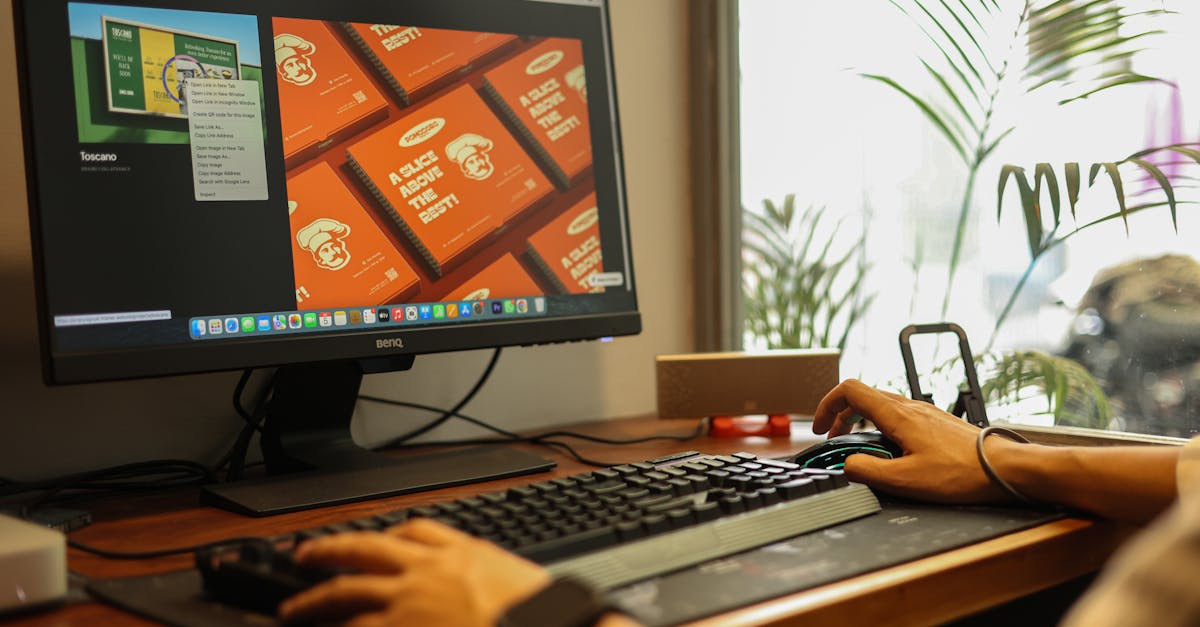 Photo by Shubham Sharma on Pexels
Where automation does the remembering
The last piece is offloading the setup itself, because even environment design can be procrastinated.
I lean on small automations and AI assistants to prepare the next day's on-ramp for me. An assistant pulls tomorrow's top task, drafts the literal first action, and has the relevant doc waiting. A simple automation re-logs me out of distracting sites every evening so the friction resets without my involvement. My phone goes into a focus mode on a schedule, not by my choosing it in a weak moment.
The pattern is consistent: anything I'd have to remember to do under pressure, I push onto a system that does it on a timer. Discipline forgets. Automation doesn't.
A normal day, run on environment instead of willpower
Let me make this concrete, because principles are easy to nod at and hard to picture. Here's what a regular working day looks like now that the room does the heavy lifting instead of me.
The night before, while I still have a little energy, I set up tomorrow's on-ramp. The document I'll start with is open. The first physical action is written at the top — something tiny like "paste in the three bullet points." My phone is already charging in the kitchen, not the bedroom. None of this requires discipline, because I'm doing it from a calm state, in advance, when saying "future me will thank me" is easy.
Morning arrives and I'm not relying on a heroic burst of motivation. I sit down to a screen that already shows the work and a first step so small it's almost embarrassing to skip. I do the two-minute version. Momentum usually carries me well past it. On the rare bad morning where it doesn't, I've still moved the project forward, which is the whole bargain.
Around mid-morning the urge to check something fun shows up, as it always does. But the apps are gone from my phone and I'm logged out on my laptop. The reflex hits the speed bump, my conscious brain catches up, and I usually just… go back to work. Not through gritted teeth — through plain inconvenience. The distraction simply wasn't worth the friction.
The contrast with my old days is stark. Those days were a series of tiny willpower battles, each one a little draining, most of them lost by afternoon. These days, there are barely any battles. The decisions were all made earlier, by a calmer version of me, and baked into the room. I just show up and follow the path of least resistance — which now happens to point at the work.
That's the quiet revelation. I'm not more disciplined than I was. I'm exactly as weak. I've just arranged things so that my weakness doesn't matter.
And honestly, that reframe lifted a weight I'd carried for years. I used to interpret every distracted afternoon as evidence of a character flaw — proof that I lacked grit, that other people had something I didn't. The environment approach quietly dismantled that story. The people who seem effortlessly focused usually aren't winning some daily willpower contest; they've built lives where the focused path is the easy one, often without even framing it that way. Discipline was never the thing separating us. Design was. And design, unlike character, is something you can actually change in an afternoon.
Pick one distraction to make harder and one task to make easier this afternoon, and notice how much "discipline" you suddenly seem to have — and if the environment-first idea clicks, there's plenty more where it came from.
The bottom line
I stopped trying to become someone with more willpower and started building rooms that don't require any. The undisciplined version of me does fine now, because the easy path finally points at the work.
Don't fix yourself. Fix the room. Make the distraction a little harder and the work a little easier, and watch how much "discipline" you suddenly seem to have.
What's one piece of friction you could add to your biggest distraction today — and one you could remove from your most important task? Start there.
Key Takeaways
- Replace willpower with environment design: Set up your workspace once to make distractions physically harder to reach (e.g., phone in another room, logged-out apps) and work frictionless (e.g., open document with next action pre-written).
- Add speed bumps to distractions: Delete apps, use clunkier browser versions, or log out of social/news sites—small frictions break autopilot procrastination reflexes.
- Remove friction from work: Open the next day’s document the night before, write the literal next action (e.g., “type the first sentence”), and lay out all materials to eliminate decision fatigue.
- Use the two-minute rule: Commit to just two minutes of work—starting is the hardest part, and momentum often carries you further. Even if you stop, progress is made.
- Automate environment resets: Schedule focus modes, auto-logouts, or assistant reminders to rebuild friction for distractions and prep work setups without relying on memory or discipline.
- Trust the path of least resistance: When the easiest option leads to work (not distractions), laziness becomes your ally—no willpower required.
Frequently Asked Questions
Isn't this just avoiding the real problem of being undisciplined?
I'd call it accepting reality. Discipline is real but scarce and unreliable. Designing around your weaknesses isn't a cop-out; it's how every reliable system works.
What if I just turn the friction off when I'm tempted?
You can, and sometimes you will. But the few extra seconds it takes are often enough to break the reflex. You don't need friction to be a wall. You need it to be a speed bump that wakes up your conscious brain.
Does the two-minute rule actually work or is it a gimmick?
It's a gimmick that works, because it targets the real bottleneck: starting. Momentum does the rest most days.
How long until this feels natural?
For me, a couple of weeks. The environment changes work immediately; the new habit of trusting them takes a little longer.




Comments
Sign in to join the conversation
No comments yet. Be the first to share your thoughts!