

Why Rest Is the Productivity Hack Nobody Uses

Why Rest Is the Productivity Hack Nobody Uses
For three years I wore my exhaustion like a badge. I answered messages at 11pm. I skipped lunch to "stay in flow." I told myself rest was something I'd earn once the work was done.
The work was never done.
Here's the embarrassing part: my busiest months were also my least productive. I was always working and never finishing. It took burning out, twice, to learn the thing nobody on my feed wanted to admit — rest isn't the opposite of productivity. It's the engine.
Quick Answer
Rest is the most underrated productivity habit because your best work depends on a resource that only refills when you stop: attention. Most people optimize their hours and ignore their energy, then wonder why ten focused hours beat sixteen tired ones.
The short version:
- Output is energy multiplied by hours, not just hours
- Deliberate rest restores focus, judgment, and creativity faster than pushing through
- Breaks during the day prevent the slow decay that ruins your afternoon
- Real recovery beats "productive procrastination" disguised as a break
The math I'd been ignoring
I used to think of a workday as a flat line. Eight hours in, eight hours of output. Tidy.
That's not how a brain works. Attention is a tank, not a switch. It drains through the day, and when it's low, every task costs more. The same email that takes four minutes at 9am takes twenty at 4pm, and it's worse besides.
So when I added more hours by skipping breaks, I wasn't adding productive time. I was adding expensive, low-quality time and calling it dedication.
When I finally tracked it honestly, the pattern was brutal. My first three hours produced more than my last six combined. The lesson wasn't "work less." It was protect the hours that actually produce, and stop pretending the tired ones count. Work on sleep, attention, and recovery from the American Psychological Association has long made the same point: cognitive performance degrades sharply once rest debt accumulates. This was the seed of the larger shift I eventually wrote about in the productivity system that finally survived my burnout.
 Photo by Kawê Rodrigues on Pexels
Why "powering through" feels right and works terribly
Pushing through has a seductive logic. You're tired, the work isn't done, so you grind. It feels virtuous.
But fatigue doesn't just slow you down. It quietly lowers the quality of every decision you make. You pick the easy task over the important one. You reread the same paragraph. You make the kind of small mistake that costs an hour to fix tomorrow.
Tired work doesn't just take longer. It creates more work.
The cruelest part is that you can't feel it happening. Fatigue dulls the very judgment you'd need to notice you're impaired. So you keep going, convinced you're being productive, while your actual output curves toward zero.
I had to stop trusting the feeling of "I should keep working" and start trusting the data: past a certain point, more hours made things worse.
What deliberate rest actually looks like
Here's where most advice goes wrong. It says "take a break" and pictures you scrolling your phone for ten minutes. That's not rest. That's swapping one form of attention drain for another, usually a worse one.
Real rest gives your mind a different kind of input, or no input at all. The difference is night and day.
| Looks like rest | Actually rests you |
|---|---|
| Scrolling social media | A short walk with no phone |
| Reading work email "casually" | Staring out a window for five minutes |
| Watching a fast-cut video | A real lunch, away from the screen |
| "Just one quick check" | A nap, or sitting in silence |
The test I use: after the break, do I feel calmer and clearer, or more wired and scattered? Phone scrolling fails that test almost every time. A walk passes it almost every time.
I started building tiny, genuine breaks into the day. Ninety minutes of focus, then ten minutes of nothing. No screen. Just water, a stretch, a look out the window. It felt absurdly simple. It also worked.
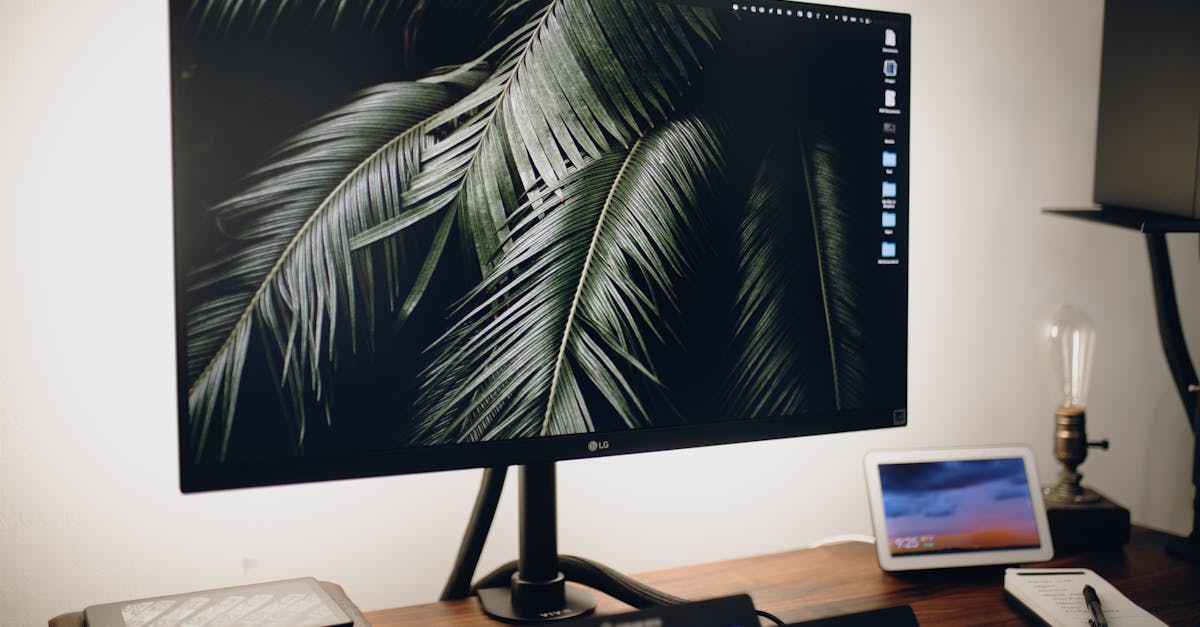 Photo by Josh Sorenson on Pexels
The night and the week matter more than the day
Daytime breaks are the small lever. Sleep and weekly recovery are the big one.
For years I treated sleep as the flexible thing — the budget line I'd cut when I was behind. It's exactly backwards. A single bad night turns a sharp morning into a foggy one, and no amount of caffeine buys it back. Sleep is when your brain consolidates what you learned and clears the gunk that makes thinking feel heavy.
The same is true at the scale of a week. One genuinely unplugged day, where I don't even glance at work, makes Monday feel like a different person showed up. When I skip it, I start the week already drained, and the whole thing slides. This is the same logic behind why I now work in 90-minute blocks: you ride the energy you have, then stop before it turns into expensive, low-quality time.
This is the part that's hard to accept if you're ambitious. The rest isn't stolen from your work. It's an investment in the only asset that does the work.
The rest I used to mistake for rest
There's a category of activity that feels restful and isn't, and I lived in it for years.
Collapsing onto the couch and scrolling for two hours after a hard day felt like recovery. It wasn't. I'd get up more tired, more wired, and somehow more behind, because that kind of input keeps your nervous system half-switched-on while giving it nothing nourishing back. It's rest-flavored, not rest.
The same goes for the "productive" rest I used to be proud of. Listening to a work podcast on a walk. Reading a business book on my "day off." Answering one casual email from the sofa. All of it kept my mind tethered to work while pretending to give it a break. I was never fully on and never fully off, which is the worst of both.
Real recovery, I learned, has a quality I can feel afterward: I come back wanting to work rather than dreading it. The fake versions leave me flat. The real ones — a walk with no agenda, time with people I like, a genuine hobby that has nothing to do with output — leave me restored.
If you finish a "break" feeling more drained than before, it wasn't rest. It was just a different drain.
The hard part is that real rest is often the less tempting option in the moment. The phone is right there. The book about productivity feels virtuous. Choosing the genuinely restorative thing takes a small act of will — but it's the only kind that actually refills the tank.
How I rebuilt my days around recovery
I didn't overhaul everything at once. I changed four things, and they did most of the lifting.
- I front-loaded the hard work. The most demanding task goes first, while the tank is full. Email and admin go to the afternoon, where lower energy doesn't matter as much.
- I scheduled breaks instead of hoping for them. A short break after each focus block, on a timer. If I don't schedule it, I skip it, every time.
- I gave myself a hard stop. Work ends at a set time. Knowing the day closes makes me protect the good hours instead of leaking work into the night.
- I protected sleep like a deadline. A real wind-down, screens off earlier, a consistent bedtime. Boring. Transformative.
None of this is exotic. The hard part isn't knowing it. It's believing that stopping is allowed when there's still work to do. There always will be.
If protecting your energy this way resonates, it's worth reading more about how a few simple recovery habits add up into a system you can actually keep.
The bottom line
The most productive thing I ever did was stop confusing motion with progress. Rest isn't the reward at the end of the work. It's the thing that makes the work good.
You don't run out of time. You run out of attention. Guard it.
So here's the question worth sitting with: if your sharpest three hours produce more than your tired ten, what are you actually protecting when you skip the break? Maybe the most ambitious move this week is the one where you stop early — and show up tomorrow sharp.
Key Takeaways
- Track your actual output: Your first 3 focused hours likely produce more than the next 6 combined—protect high-energy time and stop pretending tired hours count.
- Schedule breaks like deadlines: Set a timer for 5-10 minutes of real rest (no screens) after every 90-minute focus block to prevent cognitive decay.
- Front-load demanding work: Tackle the hardest task first when attention is fresh; save low-energy tasks like email for the afternoon.
- Enforce a hard stop: End work at a fixed time daily to force efficiency in high-quality hours and prevent nighttime productivity leaks.
- Prioritize sleep as non-negotiable: A single bad night degrades focus and judgment—treat wind-down routines and bedtime like critical deadlines.
- Weekly recovery > daily breaks: One fully unplugged day per week (no work glances) resets energy better than scattered micro-breaks.
Frequently Asked Questions
Doesn't resting more mean I get less done?
In raw hours, yes — slightly. In actual output, no. The hours you keep are sharper, so total work finished goes up. I trade quantity of hours for quality of hours, and the quality wins.
How long should a break be?
Short and frequent beats long and rare. Five to ten minutes after a focused block is plenty, as long as it's real rest and not a screen. A longer pause at midday helps too.
I feel guilty resting. How do I get past that?
Reframe it. You're not avoiding the work — you're maintaining the tool that does it. Nobody calls sharpening a knife "lazy." Track your output for two weeks of real rest and let the results argue for you.
What if my job won't let me take breaks?
Most jobs allow more micro-recovery than they advertise — a slow walk to refill water, two minutes of looking away from the screen. Start with what you can control, and protect your sleep, which no employer can take.




Comments
Sign in to join the conversation
No comments yet. Be the first to share your thoughts!