

Email Preheader Text: Best Practices and Examples (2026)

Email Preheader Text: Best Practices and Examples (2026)
Quick Answer: Preheader text (also called preview text) is the short snippet that appears next to or below the subject line in an inbox, before anyone opens the email. It's the subject line's wingman — a second hook that can lift open rates by a few percentage points. Keep it to roughly 40–100 characters, make it complement the subject rather than repeat it, front-load the most compelling words, and always set it explicitly so clients don't pull random body text like "View in browser." Below are the length rules per client, a full best-practices list, and 20+ real-world examples you can adapt.
On This Page
- What Is Preheader Text?
- Why Preheader Text Affects Open Rates
- Ideal Preheader Length by Email Client
- Preheader Best Practices
- 20+ Preheader Text Examples
- Preheader Mistakes to Avoid
- How to Set Preheader Text
- Frequently Asked Questions
What Is Preheader Text?
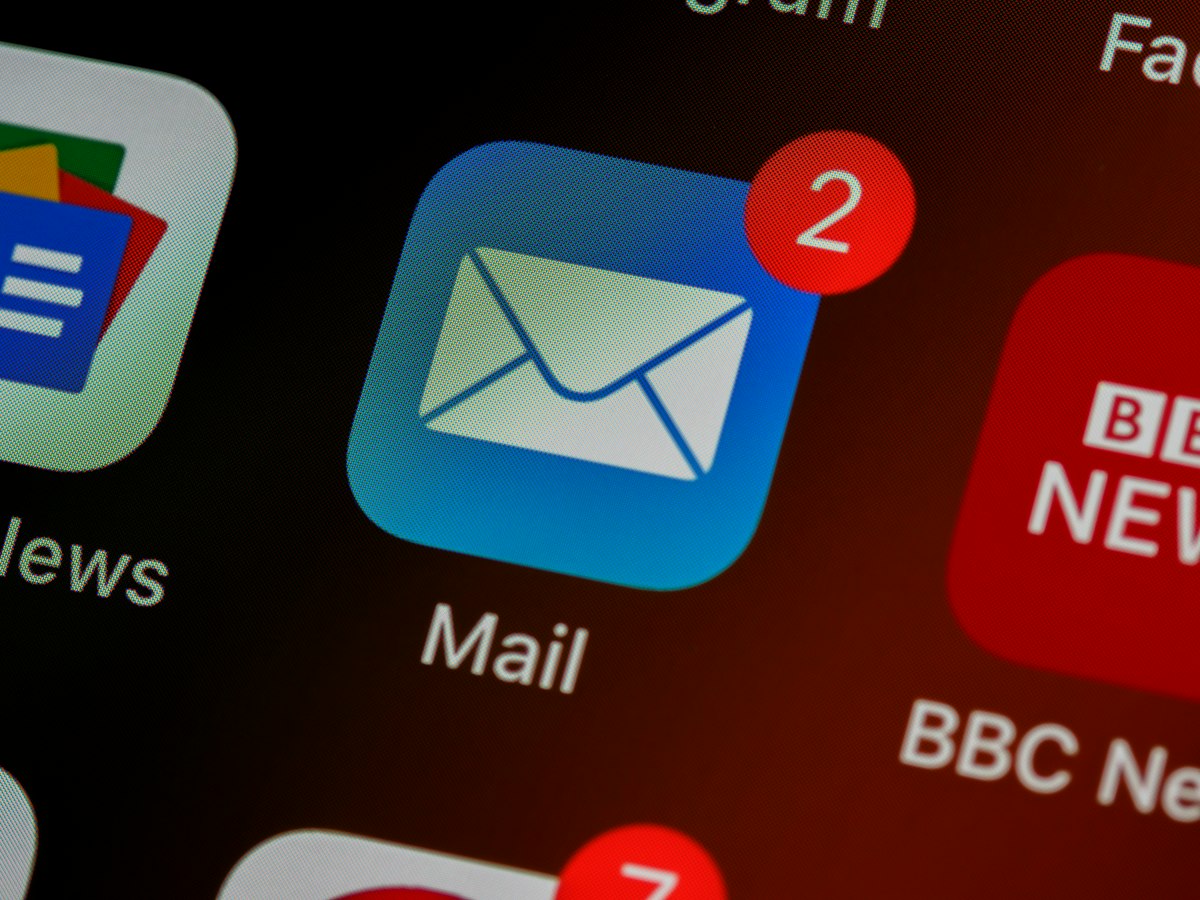
Preheader text is the preview snippet an inbox shows alongside the sender name and subject line, before the email is opened. On Gmail's web view it appears in gray after the subject; on iPhone Mail it appears on the line(s) below. It's pulled from the top of your email's HTML — which is exactly why it matters that you control it deliberately.
Think of the inbox scan-line as three pieces of real estate:
- Sender name — who it's from (trust signal).
- Subject line — the primary hook.
- Preheader text — the secondary hook, roughly as much space as the subject on many clients.
| Inbox element | What it does | Who controls it |
|---|---|---|
| Sender name | Establishes trust/recognition | You (from settings) |
| Subject line | Primary hook for the open | You (explicitly) |
| Preheader text | Secondary hook, extends the subject | You — if you set it, otherwise auto-pulled |
Here's the critical part: if you don't set preheader text, the client grabs whatever text is first in your HTML — often a "View this email in your browser" link, an unsubscribe line, or empty alt text. That's a wasted, sometimes embarrassing, first impression, and setting it explicitly is one of the highest-return, lowest-effort fixes in email.
Why Preheader Text Affects Open Rates
The subject line and preheader are read together, in a fraction of a second, as a single unit. A subject that intrigues plus a preheader that extends it gives the recipient two reasons to open instead of one. Studies of large send samples consistently show emails with intentional preheaders outperform those that leave it to chance — typically a lift of a few percentage points in open rate.
A few points make it more than an open-rate tweak:
- It's free space you already own. Every email has a preheader whether you write one or not — skipping it just fills it with junk.
- It de-risks the subject line. A short, punchy subject can pair with a preheader that adds the detail the subject omitted, keeping both concise.
- It's the second half of an A/B test worth running. Once you're testing subject lines, the preheader is the next variable to optimize.
"The preheader is the most neglected 100 characters in email marketing. It's prime inbox real estate that most senders fill with 'View in browser.'" — Email Benchmarks Report, Q1 2026
For senders running bulk email at scale, the preheader is a multiplier on everything downstream: a better open rate means more people reach your content, your offers, and your automations.
Ideal Preheader Length by Email Client
Different clients display different amounts of preheader text, and mobile shows less than desktop. Because you can't control which client each recipient uses, write for the shortest meaningful window and let longer clients show more.
| Client / context | Approx. preheader shown | Practical guidance |
|---|---|---|
| iPhone Mail (portrait) | ~30–40 characters | Front-load the hook here |
| Gmail app (mobile) | ~40–50 characters | Core message by ~40 chars |
| Gmail (desktop web) | ~90–100+ characters | Room to extend the subject |
| Outlook (desktop) | ~50–70 characters | Mid-length safe zone |
| Apple Mail (desktop) | ~100+ characters | Longest window |
The takeaway: put the most compelling words in the first ~40 characters so mobile users get the hook, then use the remaining space (up to ~100 characters) to extend it for desktop readers. Aim for roughly 40–100 characters — below ~40 wastes desktop space, and above ~100 the tail gets truncated nearly everywhere, so don't hide anything essential there.
Preheader Best Practices
Follow these and your preheaders will earn their space.
- Complement the subject, don't repeat it. If the subject is "Your cart is waiting," don't echo it — try "Free shipping on your saved items ends tonight." Two hooks, not one repeated twice.
- Front-load the hook. The first ~40 characters carry the mobile audience. Lead with the benefit, number, or curiosity gap.
- Keep it 40–100 characters. Long enough to add value, short enough to survive truncation.
- Match tone and brand voice. The preheader is still your brand talking; keep it consistent.
- Personalize where relevant. A first name or context token can lift engagement — if it feels natural, not bolted on.
- Add trailing spacer characters if needed. Pad with a few non-breaking spaces so no unwanted body text leaks into the preview after a short preheader.
- A/B test it. After subject lines, the preheader is the next-best variable to test. MisarMail supports A/B testing on its free platform, so you can test subject-and-preheader pairings and let data pick the winner.
20+ Preheader Text Examples
Steal and adapt these. Each pairs with the kind of subject line it's built to support.
Ecommerce / promotions
| Subject line | Preheader text |
|---|---|
| Your cart is waiting | Free shipping on your saved items — ends midnight tonight |
| The wait is over | Your most-wanted styles are finally back in stock |
| 24 hours only | Up to 40% off — the code's inside, no minimum spend |
| We saved these for you | Handpicked based on what you loved last time |
| Last chance | Your 15% welcome offer expires at the end of today |
Newsletters / content
| Subject line | Preheader text |
|---|---|
| This week in email | Google's new sender rules, plus 3 fixes you can ship today |
| You asked, we answered | The 5 questions readers sent us most this month |
| The one metric that matters | Why your open rate is lying to you (and what to track instead) |
| Fresh off the blog | A 6-minute read that'll change how you write subject lines |
| Quick one | Two ideas, thirty seconds, zero fluff |
Onboarding / lifecycle
| Subject line | Preheader text |
|---|---|
| Welcome aboard 👋 | Here's the 3-minute setup that gets you your first win |
| You're almost there | One quick step left to unlock your account |
| How's it going so far? | A tip that most people miss in their first week |
| We miss you | Here's what's new since you last logged in |
| Your report is ready | See exactly how this month compared to last |
Transactional / utility
| Subject line | Preheader text |
|---|---|
| Order confirmed | Arriving Thursday — track it anytime from here |
| Password reset | This link expires in 30 minutes for your security |
| Payment received | Your receipt and next billing date are inside |
| Your trial ends soon | Keep your account active in one click — nothing lost |
| Shipping update | Out for delivery — here's your two-hour window |
Notice the pattern in every good one: the preheader adds information the subject withheld — a deadline, a benefit, a number, a next step — rather than restating the subject.
Preheader Mistakes to Avoid
- Leaving it blank. The client fills it with "View in browser," an unsubscribe link, or empty alt text. Always set it.
- Repeating the subject verbatim. You've spent two hooks to make one point. Wasteful.
- Burying the hook. If the compelling word is at character 80, mobile users never see it.
- Overstuffing keywords. A preheader crammed with keywords reads like spam and can hurt both opens and placement.
- Ignoring truncation. A 200-character preheader means 100+ characters nobody reads. Don't hide essentials past ~100 characters.
- Forgetting emoji render differently. An emoji that looks great on iOS may show as a blank box elsewhere. Use sparingly and test.
| Mistake | Result | Fix |
|---|---|---|
| Blank preheader | "View in browser" shows | Always set it explicitly |
| Repeats subject | Two hooks wasted on one point | Complement, don't echo |
| Hook buried late | Mobile users miss it | Front-load first ~40 chars |
| Too long | Tail truncated everywhere | Keep to 40–100 chars |
How to Set Preheader Text
Setting preheader text is straightforward on any modern email marketing platform — there's usually a dedicated "preview text" or "preheader" field next to the subject line when you build a campaign. Fill it in for every send; treat an empty preheader field as an unfinished email.
If you're hand-coding HTML, the standard technique is a hidden preheader block at the top of the <body>: a <div> styled to hide visually (display:none; max-height:0; overflow:hidden;) but still read by the inbox as preview text, followed by non-breaking spaces ( ‌) to push unwanted body text out of the preview.
Most senders never touch HTML for this, though. In MisarMail, the preheader is a first-class field in the campaign builder — you type it alongside the subject line, A/B test subject-and-preheader combinations, and see the open-rate impact in the built-in tracking. For a broader walkthrough of campaign copy that converts, this related guide on email marketing is a useful next read.
Key Takeaways
- Always set preheader text explicitly—never let email clients auto-pull random body text like 'View in browser' or unsubscribe lines, which waste prime inbox real estate.
- Keep preheader length between 40–100 characters: front-load the hook in the first ~40 chars for mobile users, then extend the message for desktop readers (truncation starts after ~100 chars).
- Complement the subject line—don’t repeat it. Use the preheader to add missing details (deadlines, benefits, numbers, or next steps) to create two distinct hooks instead of one echoed twice.
- A/B test preheader text alongside subject lines. Pairings like 'Your cart is waiting' + 'Free shipping on saved items ends tonight' consistently outperform single-hook approaches.
- Hide preheader text visually in HTML (if coding manually) using
display:noneand non-breaking spaces to prevent unwanted body text from leaking into the preview snippet. - Avoid common mistakes: burying the hook late in the text, overstuffing keywords, or using emoji that may render inconsistently across clients—test on mobile and desktop before sending.
Frequently Asked Questions
What is email preheader text?
Preheader text (or preview text) is the short snippet shown next to or below the subject line in an inbox, before the email is opened. It's pulled from the top of your email's HTML and acts as a second hook alongside the subject. If you don't set it explicitly, the client grabs whatever text comes first in your email — often a "View in browser" link.
How long should preheader text be?
Aim for roughly 40 to 100 characters. Front-load the most compelling words in the first ~40 characters so mobile users (who see the least) get the hook, then use the remaining space to extend the subject for desktop readers. Anything past about 100 characters gets truncated on most clients, so don't hide essential information there.
Does preheader text really increase open rates?
Yes. Because the subject line and preheader are read together as one unit, a preheader that complements the subject gives recipients a second reason to open. Senders who write intentional preheaders consistently see open-rate lifts of a few percentage points over those who leave the field blank.
Should the preheader repeat the subject line?
No. Repeating the subject wastes prime inbox real estate on a single point. A strong preheader adds information the subject withheld — a deadline, a specific benefit, a number, or a next step — so the pair delivers two hooks instead of one echoed twice.
How do I stop "View in browser" from showing as preview text?
Set the preheader field explicitly in your campaign builder. If you're hand-coding, add a visually hidden preheader block at the top of the HTML body followed by non-breaking spaces to push unwanted text out of the preview window. Platforms like MisarMail provide a dedicated preheader field, so you never have to touch HTML.




Comments
Sign in to join the conversation
No comments yet. Be the first to share your thoughts!