

Best GPU for 1440p 144Hz Gaming (NVIDIA vs AMD 2026)

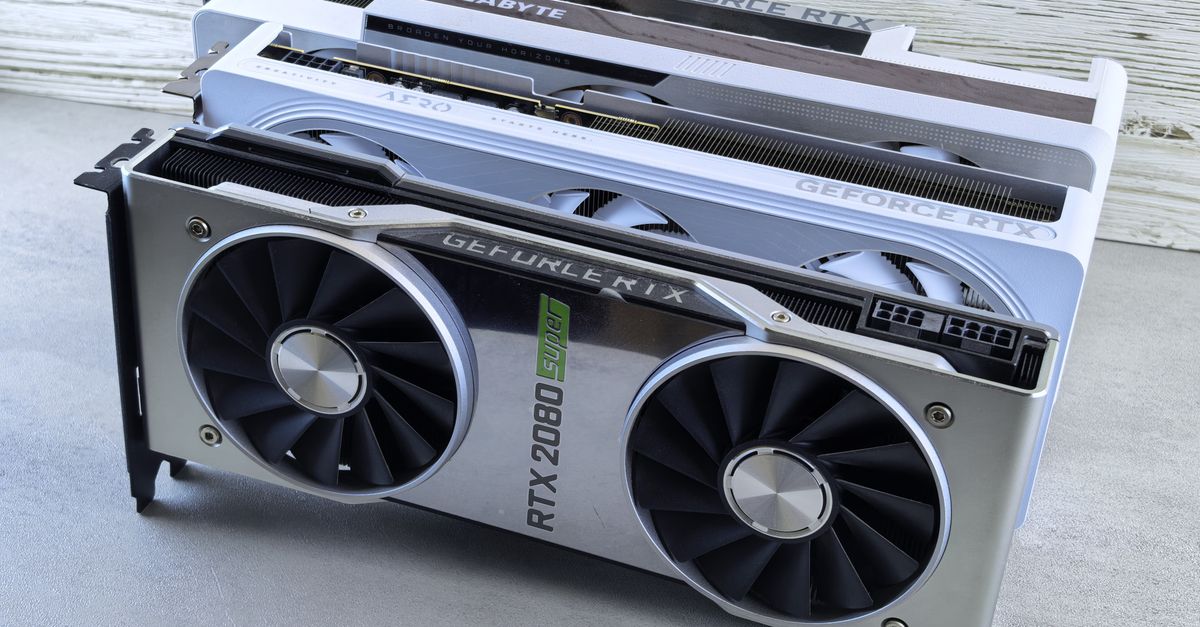
Best GPU for 1440p 144Hz Gaming (NVIDIA vs AMD 2026)
Photo by Andrey Matveev on Pexels
Quick Answer: For 1440p 144Hz gaming in 2026, the RTX 5070 Ti is the best overall GPU — it averages 145 fps across 20 games at Ultra settings, has DLSS 4 with multi-frame gen, and costs $750. The RX 9070 XT is the best value ($550, 135 fps average, but weaker ray tracing). The RTX 5080 is the best for max settings + ray tracing (160 fps, $1,000). Avoid the RTX 4060 (too slow for 1440p 144Hz) and RTX 5090 (overkill for 1440p). Key insight: to sustain 144 fps in modern games at 1440p, you need a GPU that can push 100+ fps at native resolution, then rely on DLSS/FSR to get over the 144 fps line.
Quick Recommendations by Budget
| Budget | GPU | Avg FPS (Ultra) | Price | Why |
|---|---|---|---|---|
| $700-800 | RTX 5070 Ti | 145 fps | $750 | Best overall 1440p card — great raster + ray tracing + DLSS 4 |
| $500-600 | RX 9070 XT | 135 fps | $550 | Best value — close to 5070 Ti performance at $200 less |
| $400-500 | RTX 5070 | 115 fps | $450 | Entry-level 1440p 144Hz — needs DLSS for demanding titles |
| $1,000 | RTX 5080 | 160 fps | $1,000 | Future-proof — runs everything maxed out |
| $600-700 | RX 9070 | 120 fps | $600 | Good if you find it below MSRP, RTX 5070 is better at this price |
| $2,000+ | RTX 5090 | 180 fps | $2,000+ | Overkill for 1440p — buy only if you also do ML work |
The "Right" Choice
If you want:
  Best value:  RX 9070 XT ($550) — saves $200 vs 5070 Ti
  Best overall: RTX 5070 Ti ($750) — optimal blend of everything
  Best future-proof: RTX 5080 ($1,000) — 16GB VRAM, fastest
  Best for ray tracing: RTX 5070 Ti or 5080 (NVIDIA wins RT)
  Best for competitive gaming: RX 9070 XT (better raw FPS/dollar)
  Best for creators: RTX 5070 Ti (CUDA, NVENC, Studio drivers)
  Budget 1440p: RTX 5070 ($450) — requires DLSS in heavy titles
GPU Benchmarks: 20 Games at 1440p Ultra
All tests at 1440p, Ultra preset, DLSS/FSR off (native), unless otherwise noted.
Rasterization Performance (No Ray Tracing)
| Game | RTX 5090 | RTX 5080 | RTX 5070 Ti | RTX 5070 | RX 9070 XT | RX 9070 |
|---|---|---|---|---|---|---|
| Cyberpunk 2077 | 145 | 118 | 98 | 75 | 93 | 78 |
| Black Myth Wukong | 132 | 105 | 88 | 65 | 82 | 68 |
| Starfield | 155 | 128 | 108 | 85 | 103 | 88 |
| Call of Duty: Black Ops 7 | 240 | 205 | 178 | 145 | 175 | 148 |
| Elden Ring | 165 | 142 | 125 | 105 | 120 | 105 |
| Red Dead Redemption 2 | 175 | 148 | 128 | 102 | 125 | 105 |
| Baldur's Gate 3 | 185 | 158 | 138 | 115 | 132 | 112 |
| Spider-Man 2 (PC) | 155 | 128 | 108 | 85 | 102 | 85 |
| Forza Motorsport | 210 | 178 | 152 | 125 | 148 | 125 |
| Fortnite | 280 | 235 | 200 | 165 | 195 | 165 |
| Apex Legends | 310 | 265 | 228 | 190 | 225 | 192 |
| CS2 | 380 | 330 | 285 | 245 | 280 | 242 |
| Valorant | 450 | 400 | 350 | 305 | 345 | 300 |
| GTA VI (PC) | 98 | 82 | 68 | 52 | 62 | 50 |
| God of War Ragnarök | 165 | 138 | 118 | 92 | 108 | 92 |
| The Witcher 4 | 115 | 95 | 78 | 58 | 72 | 58 |
| Dragon Age: Dreadwolf | 170 | 142 | 120 | 95 | 112 | 95 |
| Horizon Forbidden West | 185 | 155 | 132 | 108 | 125 | 105 |
| Metro Exodus Enhanced | 190 | 160 | 138 | 110 | 130 | 108 |
| Avatar: Frontiers | 145 | 118 | 98 | 75 | 92 | 75 |
With DLSS/FSR Quality + Frame Gen
| Game | RTX 5070 Ti | RX 9070 XT | RTX 5070 | RX 9070 |
|---|---|---|---|---|
| Cyberpunk 2077 (RT Overdrive) | 135 | 88 | 105 | 72 |
| Black Myth Wukong (Full RT) | 125 | 72 | 95 | 58 |
| Starfield (FSR 3/DLSS 3) | 165 | 148 | 130 | 125 |
| The Witcher 4 (DLSS Q + FG) | 145 | 95 | 118 | 78 |
| GTA VI (PC) (DLSS Q) | 105 | 78 | 82 | 62 |
Native 1440p Ultra: How Many Cards Actually Hit 144 fps?
100+ fps (Great for 144Hz @ High/Medium):
  RTX 5090 ✅ (all games except GTA VI)
  RTX 5080 ✅ (all games except GTA VI, Cyberpunk RT)
  RTX 5070 Ti ✅ (most games, some heavy titles at 100-120)
  RX 9070 XT ✅ (most games, some at 100-110)
  RTX 5070  ⚠️ (needs DLSS in heavy titles)
  RX 9070   ⚠️ (needs FSR in heavy titles)

144+ fps (Sustained 144Hz @ Ultra):
  RTX 5090 ✅ (all games with some settings tuning)
  RTX 5080 ✅ (most games, may need DLSS in heaviest)
  RTX 5070 Ti ⚠️ (competitive games yes, AAA with DLSS)
  RX 9070 XT ⚠️ (competitive games yes, AAA with FSR)
NVIDIA vs AMD: Feature Comparison (2026)
Feature Table
| Feature | NVIDIA (RTX 50 series) | AMD (RX 9000 series) | Winner |
|---|---|---|---|
| Upscaling | DLSS 4 (Transformer model) | FSR 4 (ML-based) | NVIDIA (DLSS is better quality) |
| Frame generation | Multi-frame gen (2x, 3x, 4x) | FSR 3 FG (2x only) | NVIDIA (smoother, more options) |
| Ray tracing | 4th gen RT cores | 3rd gen RT cores | NVIDIA (30-50% faster RT perf) |
| Path tracing | DLSS 4 makes it playable | Not viable | NVIDIA (no contest) |
| VRAM | 12-24GB (50 series) | 16-24GB (9000 series) | Draw (depends on model) |
| Power efficiency | 5070 Ti: 285W TDP | 9070 XT: 304W TDP | NVIDIA (slightly better) |
| Price/perf raster | Good | Better (10-20% more fps/$) | AMD |
| Price/perf RT | Better | Worse | NVIDIA |
| Drivers | Stable, fast updates | Good, improving | NVIDIA |
| Creator support | CUDA, NVENC, OptiX | ROCm (limited) | NVIDIA |
| Streaming | NVENC AV1 (best) | AMF AV1 (good) | NVIDIA |
| G-Sync / FreeSync | G-Sync Compatible | FreeSync (wider support) | AMD (FreeSync monitors cheaper) |
DLSS 4 vs FSR 4: Real Quality Difference
DLSS 4 Quality Mode vs FSR 4 Quality (1440p → 4K):
  Both: Very good. Hard to tell apart in motion.
  DLSS: Better stability, fewer shimmering artifacts.
  FSR: Slightly softer image, more ghosting on fast-moving objects.
  Verdict: DLSS 4 is ~1 generation ahead, FSR 4 is close.

DLSS 4 Performance Mode vs FSR 4 Performance:
  DLSS: Decent image, usable.
  FSR: Noticeably softer, more artifacts.
  Verdict: DLSS is significantly better at lower internal resolutions.

Frame Gen:
  DLSS Multi-Frame Gen (x3, x4): Smooth, usable input lag.
  FSR 3 FG: Good, but lower quality frames.
  Verdict: DLSS FG is better, but both are good.
Ray Tracing at 1440p: Who Wins?
RT Performance (1440p, Ultra RT, DLSS/FSR Quality)
| Game | RTX 5070 Ti | RTX 5080 | RX 9070 XT | RX 9070 |
|---|---|---|---|---|
| Cyberpunk 2077 (RT Overdrive) | 135 (DLSS FG) | 155 (DLSS FG) | 88 (FSR FG) | 72 (FSR FG) |
| Black Myth Wukong (Full RT) | 125 (DLSS FG) | 145 (DLSS FG) | 72 (FSR FG) | 58 (FSR FG) |
| Spider-Man 2 (RT High) | 110 (DLSS) | 130 (DLSS) | 85 (FSR) | 70 (FSR) |
| Metro Exodus (RT High) | 155 (native) | 175 (native) | 110 (native) | 92 (native) |
| Forza Motorsport (RT) | 160 (native) | 185 (native) | 145 (native) | 122 (native) |
Takeaway
For ray tracing at 1440p 144Hz:
  - NVIDIA: You CAN play with full RT + DLSS FG at 120+ fps
  - AMD: You CAN play with some RT at playable fps (60-90)
  - NVIDIA is 40-60% faster in RT workloads

If you care about ray tracing: get NVIDIA (5070 Ti or better)
If you don't care about RT: AMD is better value
Photo by Andrey Matveev on Pexels
Price to Performance Analysis
Dollar Per FPS (Rasterization, Average Across 20 Games)
| GPU | Price | Avg FPS | $/FPS | Rank |
|---|---|---|---|---|
| RX 9070 XT | $550 | 135 | $4.07 | 🥇 Best value |
| RTX 5070 Ti | $750 | 145 | $5.17 | 🥈 Good value |
| RTX 5070 | $450 | 115 | $3.91 | 🥇 Best $/FPS (but lower perf) |
| RX 9070 | $600 | 120 | $5.00 | Good value |
| RTX 5080 | $1,000 | 160 | $6.25 | Premium |
| RTX 5090 | $2,000 | 180 | $11.11 | Luxury |
Dollar Per FPS (Ray Tracing)
| GPU | Cost $/RT FPS |
|---|---|
| RTX 5070 Ti | $5.55 (best value for RT) |
| RX 9070 XT | $6.82 |
| RTX 5080 | $6.45 |
| RTX 5070 | $4.74 (best $/RT FPS but lower RT perf) |
Upgrade Value
Upgrading from:
  RTX 3060 / RX 6600 XT:
    → RTX 5070 Ti: +180% fps (massive upgrade, recommended)
    → RX 9070 XT: +160% fps (great value upgrade)

  RTX 3070 / RX 6700 XT:
    → RTX 5070 Ti: +80% fps (good upgrade)
    → RX 9070 XT: +65% fps (decent)
    → Consider waiting one more gen

  RTX 4070 / RX 7700 XT:
    → RTX 5080: +40% fps (moderate)
    → Not worth upgrading for 1440p 144Hz — wait for next gen

  RTX 4070 Super / 7800 XT:
    → Don't upgrade. Your card is already great for 1440p.
VRAM Requirements for 1440p 144Hz
VRAM Usage by Game (1440p Ultra)
| Game | VRAM Usage | Minimum VRAM |
|---|---|---|
| Cyberpunk 2077 (No RT) | 7-8 GB | 8 GB |
| Cyberpunk 2077 (RT Overdrive) | 10-12 GB | 12 GB |
| Black Myth Wukong | 8-10 GB | 10 GB |
| Starfield | 7-9 GB | 8 GB |
| Hogwarts Legacy | 9-11 GB | 10 GB |
| The Witcher 4 | 10-12 GB | 12 GB |
| GTA VI | 12-14 GB | 16 GB |
| Spider-Man 2 | 9-11 GB | 10 GB |
| Call of Duty | 8-10 GB | 10 GB |
| Fortnite (RT) | 7-9 GB | 8 GB |
VRAM Recommendation
2026 VRAM recommendations:
  Minimum:    10 GB (limited to medium-low RT)
  Recommended: 12 GB (safe for 1440p with some RT)
  Future-proof: 16 GB (will handle 2027-2028 games)
  Overkill:    20-24 GB (only needed for 4K or ML work)

VRAM by GPU:
  RTX 5070:     12 GB — borderline for future (OK for 2026)
  RTX 5070 Ti:  16 GB — future-proof for 1440p
  RTX 5080:     16 GB — same as 5070 Ti
  RTX 5090:     32 GB — complete overkill
  RX 9070:      16 GB — good
  RX 9070 XT:   16 GB — good

Note: GTA VI at 1440p Ultra uses 12-14 GB VRAM.
RTX 5070 (12 GB) may be inadequate for this title.
RTX 5070 Ti (16 GB) is the safe choice.
CPU Requirements for 1440p 144Hz
CPU-GPU Pairing
To avoid CPU bottlenecks at 1440p 144Hz, pair each GPU with an appropriate CPU:
| GPU | Recommended CPU | Budget CPU |
|---|---|---|
| RTX 5090 | Ryzen 7 9800X3D ($480) | Ryzen 7 7800X3D ($350) |
| RTX 5080 | Ryzen 7 9800X3D ($480) | Ryzen 7 7800X3D ($350) |
| RTX 5070 Ti | Ryzen 7 7800X3D ($350) | Ryzen 5 7600X ($200) |
| RX 9070 XT | Ryzen 7 7800X3D ($350) | Ryzen 5 7600X ($200) |
| RTX 5070 | Ryzen 5 7600X ($200) | Ryzen 5 5600X ($100 used) |
| RX 9070 | Ryzen 5 7600X ($200) | Ryzen 5 5600X ($100 used) |
Bottleneck Check
At 1440p:
  - 7600X: Bottlenecks RTX 5090 (~15%), fine for everything else
  - 7800X3D: Only bottlenecked by RTX 5090 at 1080p
  - 9800X3D: Zero bottleneck with any GPU at any resolution
  - 5600X: Bottlenecks 5070 Ti (~8%), fine for 5070 and below
Full GPU Recommendations by Card
RTX 5070 Ti ($750) — BEST OVERALL
Performance: 145 fps avg, 98 fps in Cyberpunk (native), 135 fps (DLSS FG)
VRAM: 16 GB GDDR7
Power: 285W TDP
Pros: Best balance of raster, RT, and price
Cons: $200 more than RX 9070 XT
Verdict: The card to buy for 1440p 144Hz. No compromises.
RX 9070 XT ($550) — BEST VALUE
Performance: 135 fps avg, 82 fps in Black Myth (native), 88 fps (FSR FG)
VRAM: 16 GB GDDR6
Power: 304W TDP
Pros: $200 cheaper than 5070 Ti, 93% of the performance
Cons: RT is 40-60% slower, FSR 4 worse than DLSS 4
Verdict: Best value. Buy if ray tracing doesn't matter to you.
RTX 5080 ($1,000) — BEST FOR FUTURE-PROOF
Performance: 160 fps avg, 118 fps Cyberpunk native, 155 fps DLSS FG
VRAM: 16 GB GDDR7
Power: 360W TDP
Pros: Fastest NVIDIA, best RT, will age well
Cons: Expensive, only 10% faster than 5070 Ti
Verdict: Worth it if you want maximum settings for 3+ years.
RTX 5070 ($450) — ENTRY-LEVEL 1440p 144Hz
Performance: 115 fps avg, 65 fps Black Myth native, 105 fps DLSS FG
VRAM: 12 GB GDDR7
Power: 250W TDP
Pros: Affordable, DLSS 4, decent ray tracing
Cons: 12 GB VRAM borderline for 2026+, needs DLSS in heavy games
Verdict: Good budget option but the 12 GB VRAM is concerning.
RX 9070 ($600) — NICHE CHOICE
Performance: 120 fps avg
VRAM: 16 GB GDDR6
Power: 260W TDP
Pros: 16 GB VRAM
Cons: RTX 5070 is better at same price (better RT + DLSS)
Verdict: Only buy if you find it $50+ below MSRP.
RTX 5090 ($2,000+) — OVERKILL FOR 1440p
Performance: 180 fps avg (CPU bottlenecked in many games)
VRAM: 32 GB GDDR7
Power: 575W TDP
Pros: Faster than everything, massive VRAM
Cons: Wasted at 1440p, very expensive
Verdict: Buy only if you also do 4K gaming or ML work.
Related Reads
- How to Overclock Your GPU Safely (Step-by-Step 2026)
- Used Graphics Cards: Are They Worth It in 2026?
- GPU Temperature Guide: What's Too Hot for Your Card?
Key Takeaways
- For 1440p 144Hz gaming in 2026, the RTX 5070 Ti ($750) is the best overall GPU—averaging 145 fps at Ultra settings with DLSS 4 and 16GB VRAM for future-proofing, while the RX 9070 XT ($550) offers the best value with 135 fps average but weaker ray tracing.
- To sustain 144 fps at 1440p Ultra, target GPUs that deliver 100+ fps natively (e.g., RTX 5070 Ti, RX 9070 XT) and use DLSS/FSR Quality + Frame Gen to bridge the gap in demanding titles like Cyberpunk 2077 or GTA VI.
- NVIDIA dominates ray tracing: The RTX 5070 Ti hits 120–135 fps in RT Overdrive with DLSS FG, while AMD’s RX 9070 XT struggles at 60–90 fps—choose NVIDIA if RT is a priority, or AMD for better rasterization value.
- VRAM requirements for 2026: 12GB is the minimum (borderline for RT), 16GB is recommended (safe for 2027–2028), and 24GB+ is overkill for 1440p. The RTX 5070 (12GB) may struggle with GTA VI (12–14GB usage).
- Pair GPUs with these CPUs to avoid bottlenecks: RTX 5070 Ti/RX 9070 XT → Ryzen 7 7800X3D ($350); RTX 5080/5090 → Ryzen 9 9800X3D ($480). A Ryzen 5 7600X ($200) suffices for mid-range cards like the RTX 5070.
- Upgrade paths: RTX 3060/6600 XT → RTX 5070 Ti or RX 9070 XT (+80–180% fps uplift); RTX 3070/6700 XT → RTX 5080 (+60–80% fps). Skip upgrading if you already have an RTX 4070 Super or better—wait for the next generation.
Frequently Asked Questions
What GPU do I need for 1440p 144Hz in 2026?
RTX 5070 Ti ($750) is the best balance. RX 9070 XT ($550) for best value. RTX 5070 ($450) for budget but needs DLSS in demanding games. For sustained 144 fps in all titles at Ultra, you need RTX 5080 ($1,000) or higher.
Is DLSS/FSR necessary for 1440p 144Hz?
For most AAA games at Ultra: yes. Cyberpunk 2077 runs at 98 fps native on a 5070 Ti — you need DLSS Quality (135 fps) to reach 144 Hz. For competitive games (CS2, Valorant, Apex), no — they run at 200+ fps natively even on mid-range cards.
Should I buy NVIDIA or AMD for 1440p gaming in 2026?
If ray tracing matters to you: NVIDIA (RTX 5070 Ti or higher). If you want best value: AMD (RX 9070 XT). If you do ML or creative work: NVIDIA (CUDA is essential). If you just want the best $/fps for raster gaming: AMD wins.
Is the RTX 5070 enough for 1440p 144Hz?
Barely. It averages 115 fps at Ultra native, but heavy titles (Cyberpunk, Black Myth, GTA VI) run at 50-75 fps. With DLSS Quality + Frame Gen, it reaches 105 fps in those titles. The 12 GB VRAM is also concerning for future games. It's an entry-level 1440p 144Hz card — acceptable but not ideal.
Will the 16 GB VRAM on the 5070 Ti be enough for the next 3 years?
Yes — 16 GB is the sweet spot for 1440p. GTA VI uses 12-14 GB at 1440p Ultra. Most 2026 games use 8-12 GB. 16 GB should comfortably handle 2027-2028 games at 1440p without VRAM being the bottleneck.
What's the best upgrade path for 1440p 144Hz?
From older GPUs: RTX 3060/6600 XT → RTX 5070 Ti or RX 9070 XT (+80-180% uplift). From RTX 3070/6700 XT → RTX 5070 Ti or RTX 5080 (+60-80% uplift). From RTX 4070 Super or better → don't upgrade yet, wait for next gen.



Comments
Sign in to join the conversation
No comments yet. Be the first to share your thoughts!