

Best Liquid Restaking Protocol 2026: EigenLayer and Beyond


Best Liquid Restaking Protocol 2026: EigenLayer and Beyond
Quick Answer: In 2026, EigenLayer remains the dominant liquid restaking protocol with $18B+ TVL, the most Actively Validated Services (AVS), and the deepest liquidity. Symbiotic offers the best risk-adjusted returns with lower TVL concentration risk and permissionless AVS onboarding. Kelp DAO provides the highest restaking yield (6-9% APY) through optimized yield looping with leverage. For most users, start with EigenLayer via Kelp DAO rsETH or EtherFi eETH for the best yield-to-risk balance, but consider Symbiotic for exposure to smaller, higher-growth AVS.
What Is Liquid Restaking?
Liquid restaking lets you deposit staked ETH (stETH, rETH, or native ETH) into a protocol that "re-stakes" it to secure other services (called AVS — Actively Validated Services) in exchange for additional yield.
The Stack
┌─────────────────────────────┐
│        Layer 1: Base        │
│    ETH (staked) → stETH     │
└─────────────┬───────────────┘
              │
┌─────────────▼───────────────┐
│      Layer 2: Restaking     │
│    Deposit stETH into       │
│    EigenLayer / Symbiotic   │
└─────────────┬───────────────┘
              │
┌─────────────▼───────────────┐
│      Layer 3: LRT Token     │
│    Get rsETH / eETH /       │
│    lsETH as receipt token   │
└─────────────┬───────────────┘
              │
┌─────────────▼───────────────┐
│      Layer 4: DeFi          │
│    Use LRT as collateral    │
│    in lending protocols     │
│    → Loop for 2x-3x yield   │
└─────────────────────────────┘
Key Terms
| Term | Meaning |
|---|---|
| LRT | Liquid Restaking Token (receipt token like rsETH, eETH) |
| AVS | Actively Validated Service (the service being secured) |
| Operator | Entity running the AVS infrastructure |
| Slashing | Penalty for misbehavior (partial loss of restaked ETH) |
| Points | Off-chain reward tracking (typically → future token airdrops) |
Top Liquid Restaking Protocols Compared
| Protocol | TVL (2026) | LRT Tokens | AVS Count | Avg Yield | Risk Level | Key Differentiator |
|---|---|---|---|---|---|---|
| EigenLayer | $18.2B | rsETH, eETH, weETH | 40+ | 4-7% | Medium | Largest ecosystem, most AVS |
| Symbiotic | $4.5B | lsETH, mswETH | 18 | 5-9% | Medium-High | Permissionless, higher yields |
| Karak | $1.7B | kETH | 25 | 5-8% | Medium | Cross-chain restaking |
| Kelp DAO | $3.2B | rsETH | 30+ | 6-9% | Medium | Optimized yield strategies |
| EtherFi | $5.8B | eETH, weETH | 20+ | 4-6% | Low-Medium | Most user-friendly, insurance fund |
| Puffer | $1.1B | pufETH | 12 | 4.5-6% | Low | Anti-slashing technology |
Restaking Yields (2026) by Protocol
EigenLayer — Base Yield
| Strategy | ETH Yield | Additional Rewards | Total APY |
|---|---|---|---|
| Native restaking (unstaked ETH) | 3.2-4.0% | EigenLayer points | 3.2-4.0% + points |
| LST restaking (stETH → EigenLayer) | 3.8-4.8% | EigenLayer points + staking yield | 3.8-4.8% + points |
| Kelp DAO rsETH (basic) | 4.5-6.0% | Kelp miles + EigenLayer points | 4.5-6.0% + points |
| Kelp DAO rsETH (looped) | 7.0-9.5% | Kelp miles + EL points + leverage | 7.0-9.5% + points |
Symbiotic — Base Yield
| Strategy | ETH Yield | Additional Rewards | Total APY |
|---|---|---|---|
| lsETH restaking | 4.0-6.0% | Symbiotic points | 4.0-6.0% + points |
| mswETH (Mellow) | 5.0-7.5% | Mellow points + Symbiotic points | 5.0-7.5% + points |
| Looped lsETH (via Morpho) | 8.0-12.0% | Leverage + points | 8.0-12.0% |
Yield Breakdown by AVS
| AVS | Protocol | Yield Contribution | Risk |
|---|---|---|---|
| EigenDA | EigenLayer | 0.5-1.0% | Low |
| Oracle networks (Chronicle, RedStone) | EigenLayer | 0.8-1.5% | Medium |
| Bridge operators | Both | 1.0-2.0% | Medium-High |
| ZK prover networks | EigenLayer | 1.5-2.5% | Medium |
| AI inference verification | Both | 2.0-3.5% | High |
| MEV management | Symbiotic | 2.5-4.0% | High |
Reality check: "Points" are speculation, not yield. The real returns are the AVS fees + staking rewards. Points may be worth zero if the token launch doesn't match expectations. Calculate your returns based on ETH-denominated yield, not point accumulation.
How EigenLayer Works (Step-by-Step)
If You Have stETH (Simplest Path)
1. Bridge stETH to Ethereum mainnet (if on L2)
2. Go to app.eigenlayer.xyz
3. Connect wallet
4. Deposit stETH → Restake
5. Receive restaked position (tracked via EigenLayer)
6. (Optional) Mint rsETH via Kelp DAO for liquidity
If You Have Native ETH
1. Stake ETH via Lido → receive stETH
2. Deposit stETH into EigenLayer
3. Or use EtherFi: deposit ETH → receive eETH (already restaked)
Selecting Operators
When you deposit into EigenLayer, you must choose an operator. Operators run the AVS infrastructure.
How to choose an operator:
| Factor | What to Look For |
|---|---|
| Total delegated | >10K ETH (established operators) |
| Slashing history | Zero slashing events |
| AVS participation | Broad diversification (10+ AVS) |
| Fee rate | 5-15% commission on AVS rewards |
| Uptime | 99%+ |
| Transparency | Public dashboard, regular updates |
Recommended operators: P2P.org, Stakin, Everstake, Figment, Luganodes. These have the longest track record and zero slashing events.
Withdrawing from EigenLayer
Withdrawals have a queue:
- Initiate withdrawal in the EigenLayer app
- Wait period: ~24-72 hours (varies by volume)
- Claim your stETH/ETH back
If you need fast exits: Don't use native restaking. Use LRT tokens (rsETH, eETH) which can be sold instantly on DEXs.
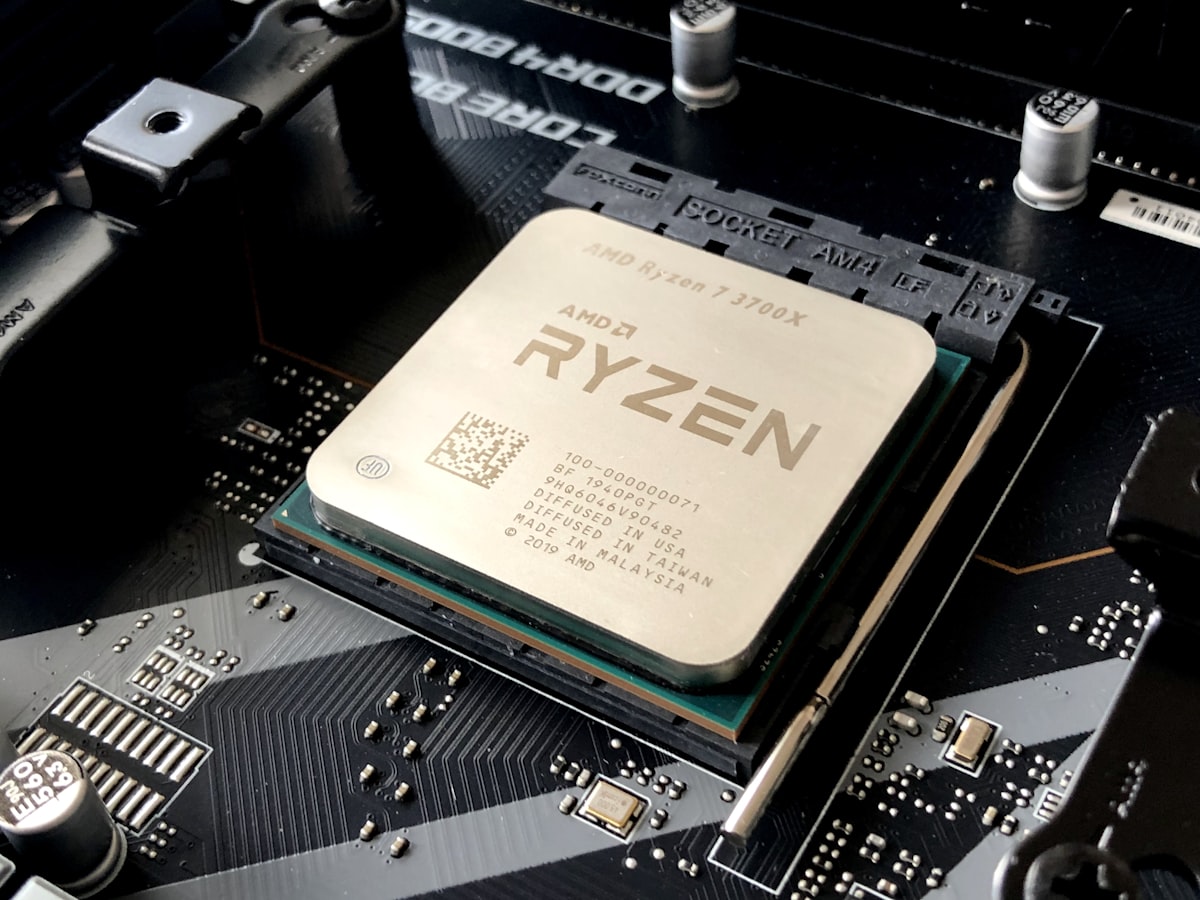
 Photo by Pachon in Motion on Pexels
Symbiotic: The Permissionless Alternative
Symbiotic launched in late 2025 as the first major EigenLayer competitor with a fundamentally different design:
| Feature | EigenLayer | Symbiotic |
|---|---|---|
| AVS onboarding | Permissioned (curated) | Permissionless (anyone can launch) |
| Collateral types | LSTs only | Any ERC-20 token |
| Slashing conditions | Protocol-defined | AVS-defined (customizable) |
| Operator model | Centralized delegation | Flexible delegation |
| LRTs | Kelp, EtherFi | Mellow, Steakhouse |
Why Choose Symbiotic
- Higher yields on AVS — newer services offer higher fees to attract capital
- Permissionless innovation — any developer can launch an AVS without gate approval
- Custom slashing — AVS can define their own slashing terms, potentially safer
- Broader collateral — not just ETH but also stablecoins, alt-L1 tokens
Risks
- Smaller ecosystem — fewer AVS, less battle-testing
- Untested slashing — more slashing events expected as permissionless AVS launch
- Information asymmetry — harder to evaluate smaller AVS teams
AVS Risk Assessment: Which Services Are Safest?
Risk Categories
| Risk Tier | Examples | Slashing Probability | Typical Yield |
|---|---|---|---|
| Low | EigenDA, oracle data feeds | <0.1% | 0.5-1.5% |
| Medium | Bridges (LayerZero, Hyperlane) | 0.5-2% | 1.5-2.5% |
| High | ZK provers, cross-chain messaging | 2-5% | 2.5-4.0% |
| Extreme | AI/ML inference, MEV | 5-15% | 4.0-6.0% |
How AVS Slashing Actually Works
Not all AVS are equal. Here's how slashing differs:
- EigenDA — No slashing possible. It's the EigenLayer team's own service, used as a proving ground
- Oracle AVS — Slashing occurs if the oracle provides incorrect data. Well-defined rules. Medium risk.
- Bridge AVS — Slashing for incorrect state verification. Higher risk but also higher yield.
- AI verification AVS — Slashing for incorrect inference attestation. Newest category, most uncertainty.
Strategic advice: Allocate 70%+ of your restaked position to low-risk AVS (EigenDA, oracle feeds) and 30% to high-yield AVS. Don't go all-in on one AVS.
Restaking Strategies for Different Risk Profiles
Conservative (Yield: 3.5-5% APY)
100% EigenLayer
├── 60% EigenDA (lowest risk)
├── 25% Oracle AVS (Chronicle, RedStone)
└── 15% Restaking protocol operators
Best for: Long-term ETH holders who want small yield boost without meaningful risk.
Balanced (Yield: 5-7% APY)
60% EigenLayer + 40% Symbiotic
├── EigenLayer side:
│   ├── 40% EigenDA + Oracle AVS
│   └── 20% Bridge AVS
├── Symbiotic side:
│   ├── 20% Mellow-backed AVS
│   └── 20% Early-stage AVS
Best for: Yield-seekers who understand the risks and want diversified exposure.
Aggressive (Yield: 8-12% APY)
50% Kelp DAO (looped) + 30% Symbiotic (early AVS) + 20% EtherFi
├── Leverage via Morpho/Aave
├── Concentrated in AI and ZK proving AVS
└── Active monitoring (daily, not weekly)
Best for: Sophisticated DeFi users who can monitor positions daily and have high risk tolerance.
How to Start Restaking in 2026
Step 1: Get staked ETH
Choose a base staking method:
├── Lido (stETH) → Most liquid, easiest
├── Rocket Pool (rETH) → Most decentralized
└── Coinbase (cbETH) → Simple but centralized
Step 2: Choose a restaking protocol
| If you want… | Choose |
|---|---|
| Largest ecosystem, most safety | EigenLayer |
| Best yields, permissionless AVS | Symbiotic |
| Simplest one-click restaking | EtherFi |
| Maximum yield with leverage | Kelp DAO |
Step 3: Deposit and select operators
- Go to the protocol's app
- Connect wallet
- Deposit stETH/LRT
- Choose operators (see operator selection above)
- Confirm transaction (2-3 min)
Step 4: Monitor
- Regular: Check net APR weekly
- Risks: Monitor for new slashing events (Dune dashboard, Discord alerts)
- Optimization: Rebalance AVS allocation quarterly
- Taxes: Track each deposit/withdrawal for cost basis (restaking rewards are taxable events)
Related Reads
- Is EigenLayer Restaking Safe? Risk Analysis 2026
- Liquid Staking Derivatives: Architecture, Risks, and Yield Optimization
- AI x DeFi Agents: Autonomous Financial Agents
Key Takeaways
- For the best yield-to-risk balance in 2026, deposit staked ETH (stETH/rETH) into EigenLayer via Kelp DAO’s rsETH or EtherFi’s eETH—these offer 4-9% APY with deep liquidity and established operator networks.
- Diversify AVS exposure: allocate 70%+ to low-risk services like EigenDA (0.5-1% yield, no slashing) and oracles (0.8-1.5% yield), and 30% to higher-yield AVS like ZK provers (1.5-2.5%) or AI inference (2-3.5%), but avoid overconcentration in any single AVS.
- Use Symbiotic for permissionless AVS access and higher yields (5-9% APY), but limit exposure to 30-40% of your restaked position due to smaller ecosystem size and untested slashing risks—prioritize AVS with customizable slashing terms for safer delegation.
- Maximize yield with leverage: loop Kelp DAO’s rsETH or Symbiotic’s lsETH via Morpho/Aave to achieve 8-12% APY, but monitor positions daily to avoid liquidation—aggressive strategies require active risk management.
- Select operators with zero slashing history, >10K ETH delegated, and 99%+ uptime (e.g., P2P.org, Stakin, Everstake); avoid operators with narrow AVS diversification or high commission fees (>15%).
- For fast liquidity, mint LRT tokens (rsETH, eETH) instead of native restaking—these trade on DEXs instantly, while native withdrawals from EigenLayer/Symbiotic take 24-72 hours and may face queue delays.
Frequently Asked Questions
Is restaking ETH safe in 2026?
Restaking introduces slashing risk beyond standard staking. In practice, 99.9%+ of restakers have never been slashed. The biggest risk is not slashing but smart contract risk — EigenLayer and Symbiotic combined hold $23B+ in TVL and have been audited by 6+ firms. Start with low-risk AVS like EigenDA if you're risk-averse.
Can I lose my ETH from restaking?
Yes — if an AVS you're restaked to has a slashing event, you lose a percentage of your restaked amount. Slashing is typically 1-5% per event, not 100%. No major slashing events on EigenLayer as of mid-2026.
What are restaking "points" worth?
Points are off-chain tracking mechanisms that typically convert to token airdrops. EigenLayer's EIGEN token launched in 2024 at $3-4 per token. Symbiotic's token is expected in 2026. Points have no guaranteed value.
How does restaking affect my staking rewards?
Restaking fees are on top of your base staking yield. If ETH staking is 3.5% and you earn 2% from AVS, your total is 5.5%. You're not sacrificing base yield — restaking is additive.
Do I need to pay taxes on restaking rewards?
Yes — in most jurisdictions, restaking rewards are taxable as income at the time of receipt. AVS fees paid in ETH are ordinary income. LRT token appreciation when sold is capital gains. Use crypto tax reporting tools to track.
More from Synor

Recommended for you




Comments
Sign in to join the conversation
No comments yet. Be the first to share your thoughts!