

How to Stake Ethereum Safely in 2026 (Step-by-Step)


How to Stake Ethereum Safely in 2026 (Step-by-Step)
Quick Answer: In 2026, the safest way to stake Ethereum depends on your technical ability and how much ETH you hold. If you have 32 ETH+ and Linux experience, solo staking gives maximum rewards and fully supports network decentralization. If you have any amount of ETH, using Lido (the largest liquid staking protocol) is the safest and most convenient option. For the best risk/reward balance, Rocket Pool offers permissionless, decentralized staking with as little as 0.01 ETH. Current APY is ~3.5-4.5% depending on MEV rewards and network activity.
Ethereum Staking Basics (Post-Merge)
Ethereum uses Proof-of-Stake (PoS) consensus. Validators lock up ETH as collateral and are selected to propose and attest to blocks. In return, they earn:
- Consensus layer rewards: ~2.5-3% APY (inflationary issuance)
- Execution layer rewards: ~0.5-1% APY (priority fees and MEV)
- Total: Typically 3.5-4.5% APY in 2026
Requirements
| Requirement | Solo Staking | Pooled | Liquid |
|---|---|---|---|
| Minimum ETH | 32 ETH (~$100K) | Any amount | Any amount |
| Hardware | Dedicated machine (24/7) | None | None |
| Technical skill | High (Linux, CLI) | Low | Low |
| Ongoing maintenance | Updates, monitoring | None | None |
| Lockup period | Withdrawal queue (1-5 days) | Instant (via market) | Instant (via DEX) |
Staking Methods Comparison
| Method | Annual Return | Risk Level | Centralization | Liquidity | Best For |
|---|---|---|---|---|---|
| Solo staking | 4-5% | Low (if done right) | Fully decentralized | ❌ Locked | Technical users with 32+ ETH |
| Rocket Pool (minipool) | 3.8-4.5% | Low | Decentralized | ⚠️ Locked (or 28d unstake) | Users with 8-16 ETH |
| Lido (stETH) | 3.2-3.8% | Very low | Centralized (curated) | ✅ Instant | Any amount, easiest |
| CEX staking (Coinbase/Kraken) | 2.8-3.5% | Very low | Centralized | ✅ Instant | Beginners, non-custodial preference |
| Liquid restaking (EigenLayer) | 4-7% | Medium (new risk) | Emerging | ✅ Instant | Advanced users seeking higher yield |
The centralization tradeoff: Lido controls ~28% of all staked ETH — enough to influence the protocol. Rocket Pool and solo stakers are fully decentralized. If you care about Ethereum's long-term health, favoring decentralized options matters.
Solo Staking Step-by-Step
Requirements
- 32 ETH minimum (deposited to the beacon chain)
- Linux machine (Ubuntu 24.04 LTS recommended)
- 2TB+ NVMe SSD (NVMe required, SATA too slow for sync)
- 16GB+ RAM, 4+ CPU cores
- Stable internet (100 Mbps+ recommended)
- UPS (uninterruptible power supply)
- 99%+ uptime (slashing penalty for extended downtime)
Step 1: Generate Your Validator Keys
# Install the staking-deposit-cli
wget https://github.com/ethereum/staking-deposit-cli/releases/download/v2.4.0/staking_deposit-cli-linux-amd64.zip
unzip staking_deposit-cli-linux-amd64.zip

# Generate keys (creates 1 validator per 32 ETH)
./deposit new-mnemonic --num_validators 1 --chain mainnet
⚠️ CRITICAL: Write down your mnemonic on paper. Store it in a fireproof safe. Never type it into any website or connected device.
Step 2: Install Client Software
Choose one execution client + one consensus client:
| Execution Clients | Consensus Clients |
|---|---|
| Geth (Go-ethereum) | Lighthouse |
| Nethermind | Prysm |
| Besu | Teku |
| Erigon | Nimbus |
Recommended combination: Geth + Lighthouse (most popular, best documented)
# Install Geth
sudo add-apt-repository -y ppa:ethereum/ethereum
sudo apt-get update
sudo apt-get install ethereum

# Install Lighthouse
wget https://github.com/sigp/lighthouse/releases/download/v5.1.0/lighthouse-v5.1.0-x86_64-unknown-linux-gnu.tar.gz
tar -xzf lighthouse-v5.1.0-x86_64-unknown-linux-gnu.tar.gz
Step 3: Configure and Run
# Start Geth
geth --syncmode snap --http

# Start Lighthouse
lighthouse bn \
  --network mainnet \
  --execution-endpoint http://localhost:8551 \
  --checkpoint-sync-url https://sync-mainnet.beaconcha.in
Step 4: Import Validator Keys and Start
lighthouse vc import --directory ./validator_keys
lighthouse vc --network mainnet
Step 5: Monitor
- Status: Check
https://beaconcha.in/validator/YOUR_PUBKEY - Uptime: Should be 99%+ after initial sync
- Rewards: Accumulate daily, withdrawal available with 0x01 credentials
- Expenses: ~$15-25/month in server costs (cloud VPS) or ~$10/month electricity (home)
Liquid Staking with Lido
The easiest way to stake — you deposit ETH and receive stETH, which accrues staking rewards daily.
Step-by-Step
- Go to lido.fi or use the DEX aggregator
- Connect wallet (MetaMask, Rabby, WalletConnect)
- Deposit ETH → receive stETH 1:1
- stETH value increases relative to ETH over time (not more tokens, higher value per token)
- Use stETH in DeFi while still earning staking rewards
Where to Use stETH
| Platform | What You Can Do |
|---|---|
| Uniswap/Maverick | Provide liquidity, earn fees + staking yield |
| Aave/Compound | Use stETH as collateral to borrow ETH or stablecoins |
| Morpho/Euler | Lend stETH for additional yield |
| EigenLayer | Restake stETH for extra yield (see below) |
Risks
- Lido dominance risk: If Lido exceeds 33%+ of staked ETH, it could theoretically influence protocol decisions
- Smart contract risk: Though audited by 5+ firms
- Oracle risk: stETH/ETH exchange rate depends on oracles
- Slashing risk: Passed through to stakers (very low probability for Lido's curated validators)
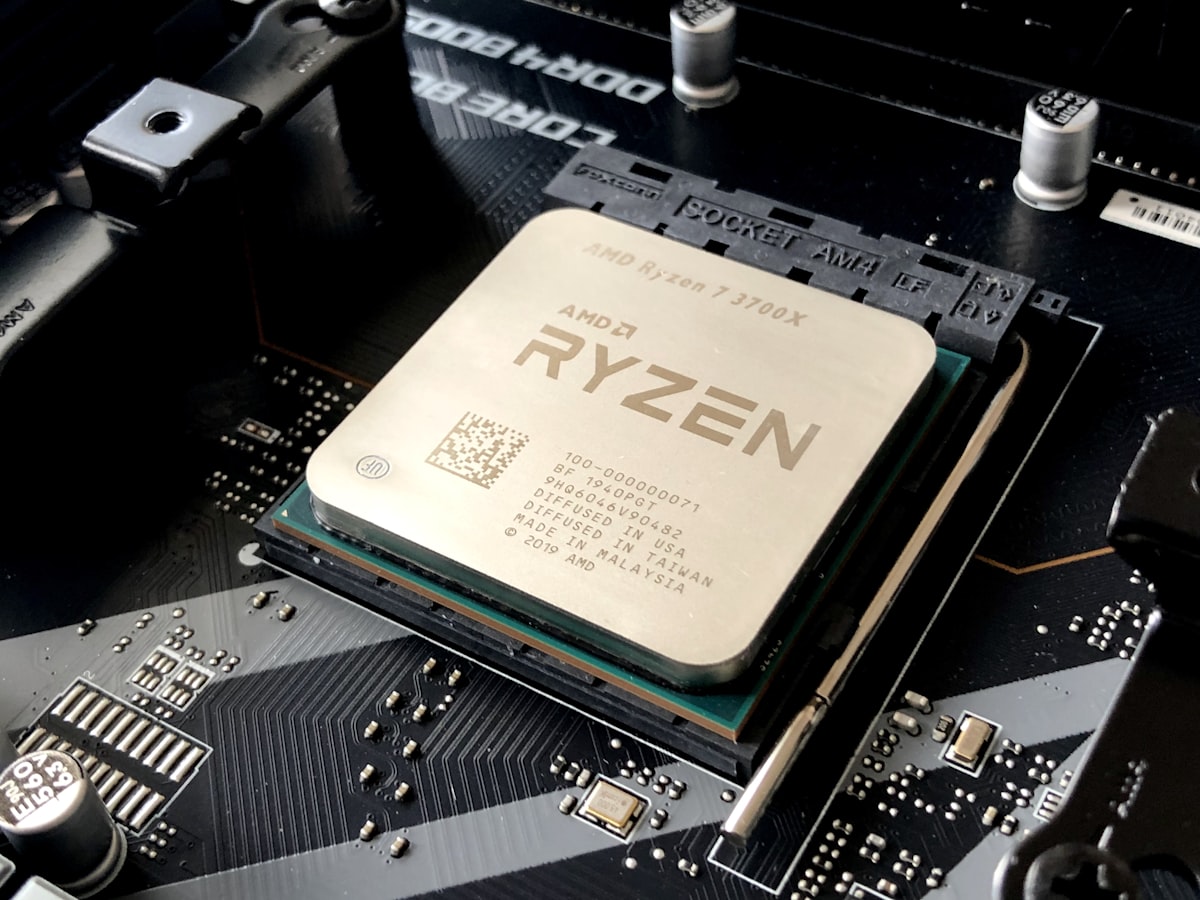
 Photo by Jonathan Borba on Pexels
Decentralized Staking with Rocket Pool
Rocket Pool is the decentralized alternative to Lido. Anyone can run a node with 8 ETH + RPL (the protocol token).
For Stakers (No ETH Minimum)
- Buy rETH on a DEX (Uniswap, Balancer) or the Rocket Pool interface
- rETH accrues value like stETH
- No minimum, no lockup
For Node Operators (8 ETH + RPL)
- Run a Rocket Pool node with 8 ETH (instead of solo staking's 32 ETH)
- Receive commission on ETH deposited by rETH holders
- Earn RPL rewards for providing collateral
Returns
| Role | ETH Return | RPL Return | Total Return |
|---|---|---|---|
| rETH holder | 3.2-3.8% | 0% | 3.2-3.8% |
| Minipool operator (8 ETH stake) | 3.5-4.2% | 1-3% | 4.5-7.2% |
Staking Rewards in 2026
Current APY by Method (June 2026)
| Method | Base APY | MEV Boost | Total APY |
|---|---|---|---|
| Solo staker (average) | 2.8% | 1.2% | 4.0% |
| Solo staker (MEV-boosted) | 2.8% | 2.0% | 4.8% |
| Lido stETH | 2.8% | 0.8% | 3.6% |
| Rocket Pool minipool | 2.8% | 1.0% + RPL | 3.8% + RPL |
| CEX (Coinbase) | 2.8% | 0.4% | 3.2% |
Reward History
| Year | ETH Staked | Staking Rate | Avg APY | Notes |
|---|---|---|---|---|
| 2023 | 24M ETH | 19% | 5.6% | Post-merge high |
| 2024 | 34M ETH | 28% | 4.3% | More validators = lower yield |
| 2025 | 42M ETH | 35% | 3.8% | Growing staking participation |
| 2026 | 48M ETH | 40% | 3.5% | Projected equilibrium |
Slashing Risks and How to Avoid Them
What Causes Slashing
| Cause | Penalty | Likelihood |
|---|---|---|
| Running two validators with same key | 1-32 ETH (up to full balance) | Very rare (operator error) |
| Proposing two blocks at same slot | 1-32 ETH | Very rare (software bug) |
| Attesting to conflicting chains | 1-32 ETH | Very rare (network issue) |
| Going offline (>2 weeks) | ~0.01 ETH cumulative | Common (minor penalty) |
| Extended downtime (>3 months) | Gradually increasing | Uncommon |
How to Avoid Slashing
- Never run the same validator key on two machines simultaneously
- Keep your node updated — outdated clients can produce invalid attestations
- Use a slashing protection database (built into Lighthouse, Prysm, Teku)
- Monitor your node with tools like
beaconcha.inandGrafana - Don't stake on testnet with mainnet keys
If You're Liquid Staking (Lido/Rocket Pool)
Slashing risk is minimal. The protocol:
- Uses professionally managed validators
- Has redundant infrastructure
- Funds insurance coverage for slashing events
- Diversifies across multiple node operators
MEV Rewards: The Extra Layer
Maximal Extractable Value (MEV) refers to the profit validators can make by ordering transactions within a block. In 2026, MEV-Boost is a standard part of Ethereum staking.
How MEV-Boost Works
Block Proposal Event
        │
        ▼
Validator connects to MEV-Boost
        │
        ▼
Receives blocks from multiple builders (Flashbots, Titan, etc.)
        │
        ▼
Selects the block with highest fee
        │
        ▼
Proposes the block → earns base reward + MEV tip
MEV Rewards by Validator Type
| Validator Type | MEV Reward (annual, per validator) | % of Block Rewards |
|---|---|---|
| Professional (Flashbots integration) | 0.6-1.0 ETH | 30-40% of total rewards |
| Home staker (default MEV-Boost) | 0.3-0.6 ETH | 20-30% of total rewards |
| Home staker (no MEV-Boost) | 0 ETH | 0% |
Don't skip MEV-Boost. It's free, built into most consensus clients, and adds 20-40% to your staking returns. Enabling it is a few CLI flags.
Tax Implications of Staking
US Tax Treatment (2026)
| Activity | Tax Event? | How Taxed |
|---|---|---|
| Staking rewards received | ✅ Yes | Ordinary income at FMV when received |
| Reward appreciation | ✅ Yes | Capital gain when sold |
| rETH/stETH trading | ✅ Yes | Capital gain/loss on sale |
| ETH → stETH deposit | ⚠️ Potentially taxable | IRS position unclear (arguably a swap) |
| Validator exit | ❌ No | Not a taxable event |
| Slashing loss | ✅ Deductible | Capital loss or theft loss |
Record-Keeping
For solo stakers, every reward payment (every ~6.4 minutes) is potentially a taxable event. Most people use:
- Staking tax software (StakeTax, CoinTracker, Koinly) to calculate cost basis per reward
- Average cost basis for large numbers of small rewards
- Professional help if you have complex DeFi + staking activity
Related Reads
- Liquid Staking Derivatives: Architecture, Risks, and Yield Optimization
- How to Overclock Your GPU Safely (Step-by-Step 2026)
- Best DeFi Wallet for Staking and Swaps (2026 Comparison)
Key Takeaways
- Solo staking is safest for technically skilled users with 32+ ETH: Requires a dedicated Linux machine (Ubuntu 24.04 LTS), 2TB+ NVMe SSD, 16GB+ RAM, and 99%+ uptime to avoid slashing penalties. Use Geth + Lighthouse clients and monitor via beaconcha.in.
- Lido (stETH) is the easiest option for any ETH amount: Deposit ETH on lido.fi to receive stETH (1:1), which accrues staking rewards daily. Use stETH in DeFi (Aave, Uniswap) or sell instantly on DEXs, but be aware of Lido’s ~28% centralization risk.
- Rocket Pool (rETH) balances decentralization and accessibility: Stake as little as 0.01 ETH or run a minipool with 8 ETH + RPL for higher yields (4.5–7.2% APY). rETH appreciates in value like stETH but with lower centralization risk.
- Enable MEV-Boost for 20–40% higher rewards: Built into most consensus clients (e.g., Lighthouse), MEV-Boost adds 0.3–1.0 ETH/year per validator by selecting high-fee blocks from builders like Flashbots. Configure with a few CLI flags.
- Avoid slashing with these safeguards: Never run duplicate validator keys, keep clients updated, use slashing protection databases, and monitor uptime. Liquid staking (Lido/Rocket Pool) minimizes slashing risk via professional validators and insurance.
- Track staking rewards for taxes: In the US, rewards are taxed as ordinary income at FMV when received. Use tools like StakeTax or Koinly to calculate cost basis, especially for solo stakers (rewards accrue every ~6.4 minutes).
Frequently Asked Questions
Is staking ETH safe in 2026?
Yes — Ethereum's PoS system has been running for 3+ years with no significant consensus failures. The main risks are: (1) slashing (very rare for careful operators), (2) protocol bugs (from audited, battle-tested software), (3) lockup period (you can't instantly sell during a crash — withdrawal queue can take days).
How do I get my ETH back after staking?
Solo stakers can withdraw using the 0x01 withdrawal credentials (set during deposit). Queue time varies from hours to days depending on network demand. Liquid stakers can sell stETH/rETH on DEXs instantly.
Is Lido too centralized for Ethereum's health?
At ~28% of staked ETH, Lido is a centralization concern. Many Ethereum researchers advocate for diversifying staking methods to keep Lido below 33.3% (the threshold for blocking upgrades). If you're staking significant ETH, consider using Rocket Pool or solo staking alongside Lido.
What's better: staking ETH or holding it?
Staking adds 3.5-4.5% APY on top of ETH's price appreciation. If you're a long-term ETH holder with no immediate need to sell, staking is clearly better — you get the same upside plus yield. The main cost is lockup risk (solo staking) and smart contract risk (liquid staking).
More from Synor

Recommended for you




Comments
Sign in to join the conversation
No comments yet. Be the first to share your thoughts!